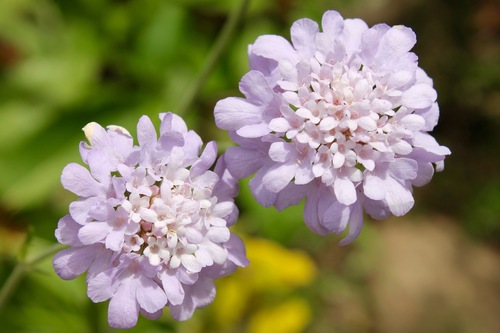
Scabiosa japonica
Miq.
Pincushion flower
iNaturalist· cc-by
(c) belvedere04, some rights reserved (CC BY), uploaded by belvedere04
iNaturalist· cc-by-nc
(c) 空猫 T. N, some rights reserved (CC BY-NC), uploaded by 空猫 T. N
iNaturalist· cc-by-nc
(c) 空猫 T. N, some rights reserved (CC BY-NC), uploaded by 空猫 T. N
Summary
Source: WikipediaScabiosa japonica is a species of flowering plant in the pincushion flower genus Scabiosa (family Caprifoliaceae), native to central and southern Japan, and introduced to the Dominican Republic. A biennial or short-lived perennial reaching 10 to 50 cm (4 to 20 in), the Royal Horticultural Society considers it a good plant to attract pollinators. A number of cultivars are commercially available, including 'Blue Note', 'Blue Star', 'Blue Diamonds', 'Ritz Blue', and 'Ritz Rose'.
Description
A biennial reaching 0.3 m tall, hardy to UK zone 7. Flowers June to September with seeds ripening July to September. Hermaphrodite flowers pollinated by insects. Grows in light sandy, medium loamy, and heavy clay soils across mildly acidic to very alkaline pH ranges. Prefers well-drained and moist soil. Requires full sun.
Edible Uses
Leaves are edible cooked, typically boiled. The root is also edible, though no further details are recorded.
Medicinal Uses
None known
Distribution
It is a temperate plant. It suits hardiness zone 7.
Where It Grows
Asia, China, Dominican Republic, West Indies,
Cultivation
Prefers a neutral or alkaline soil and a sunny position. Succeeds in ordinary garden soil. Requires a well-drained soil. Members of this genus are rarely if ever troubled by browsing deer.
Propagation
Sow seed in a cold frame in spring. Seedlings are prone to damping off, so water carefully and ensure good ventilation. Prick out into individual pots once large enough to handle and plant into permanent positions in summer.
Other Uses
None known
Notes
There are about 75 Scabiosa species. Also put in the family Dipsacaceae.
References (4)
- Ann. Mus. Bot. Lugduno-Batavum 3:113. 1867
- Lim, T. K., 2015, Edible Medicinal and Non Medicinal Plants. Volume 9, Modified Stems, Roots, Bulbs. Springer p 75
- Plants for a Future database, The Field, Penpol, Lostwithiel, Cornwall, PL22 0NG, UK. http://www.scs.leeds.ac.uk/pfaf/
- READ,
More from Caprifoliaceae
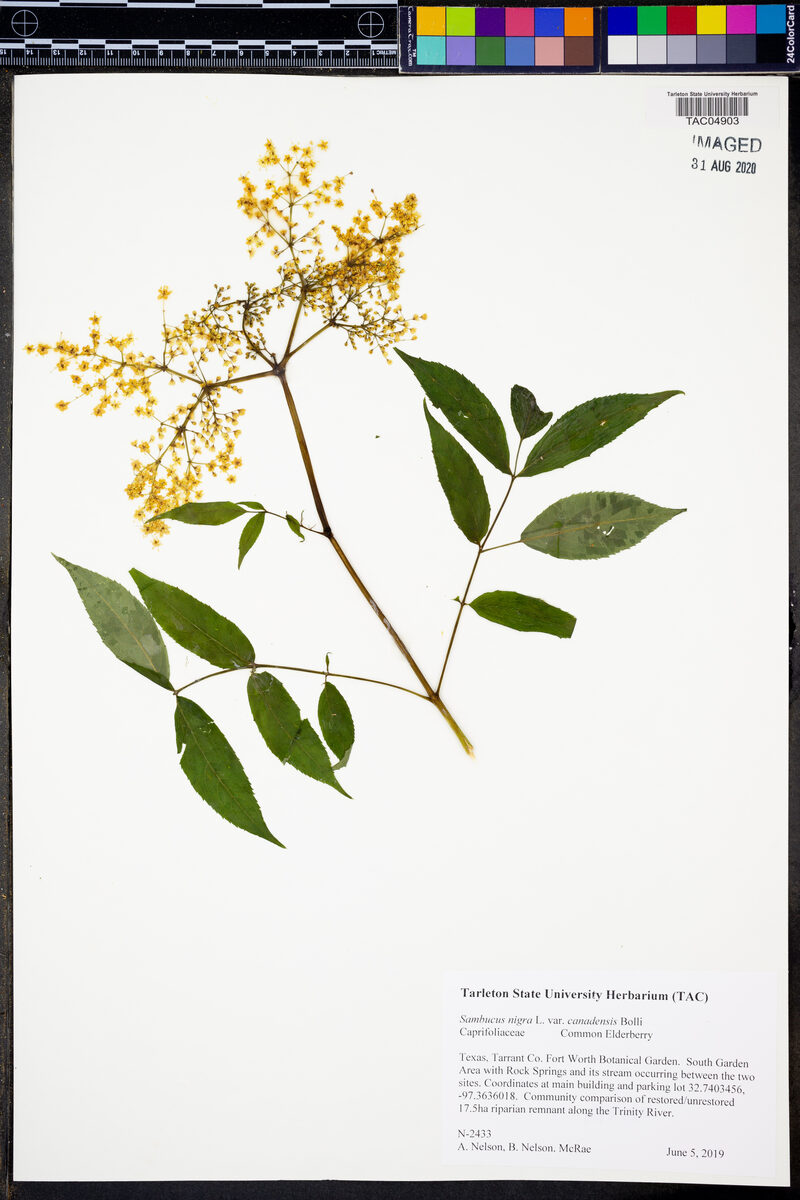
Sambucus nigra spp canadensis - (L.) R. Bolli
American Elder
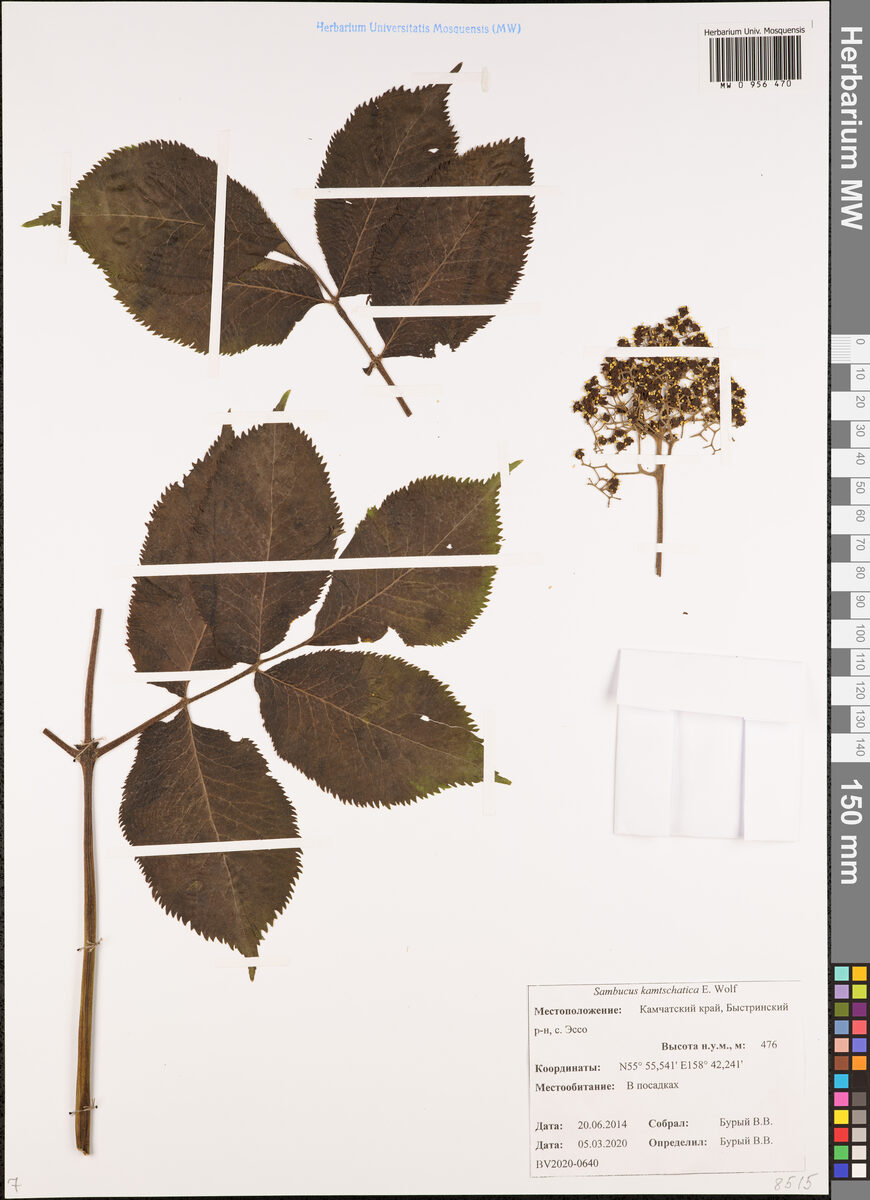
Sambucus racemosa kamtschatica - (E.Wolf.)Hult.
Red Elder
Sambucus racemosa sieboldiana - (Miq.)Graebn.
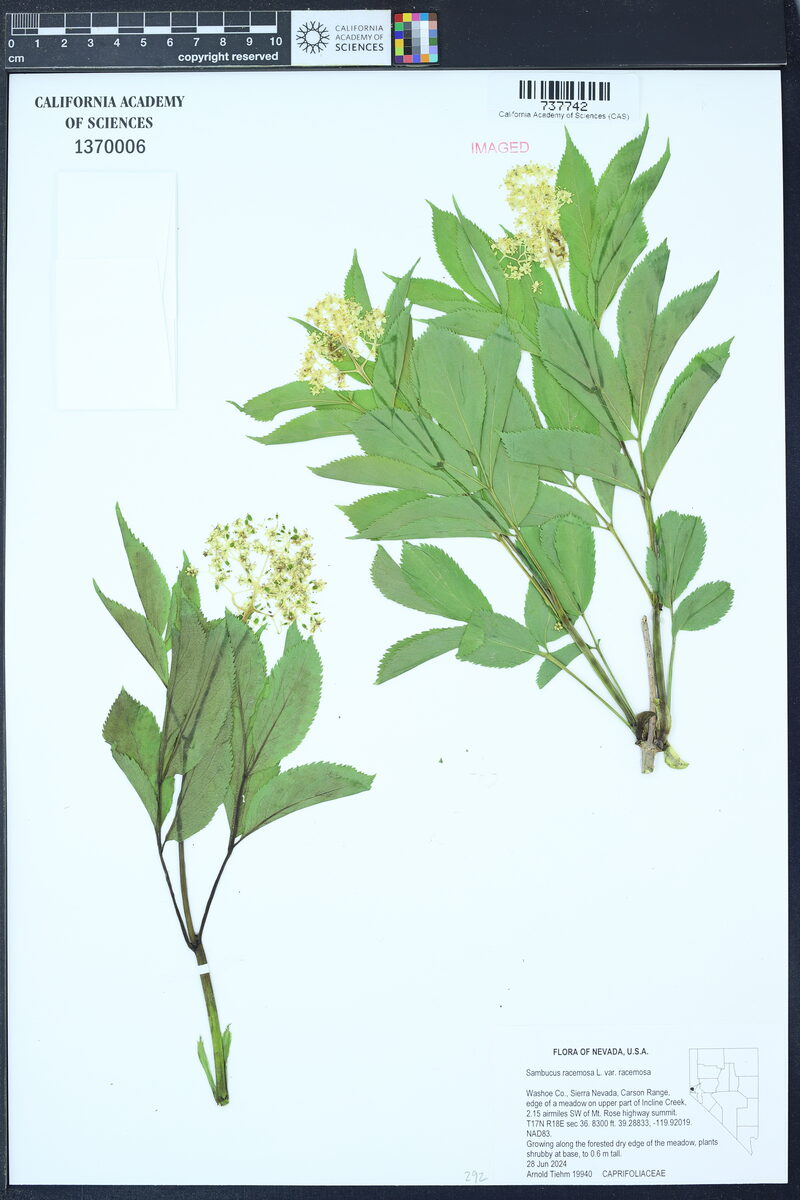
Sambucus racemosa var. racemosa
Red Coast Elder
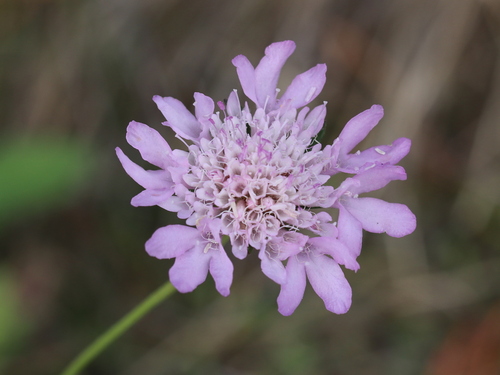
Scabiosa atropurpurea
Garden pincushion
Scabiosa columbaria
Pincushion, African white scabious