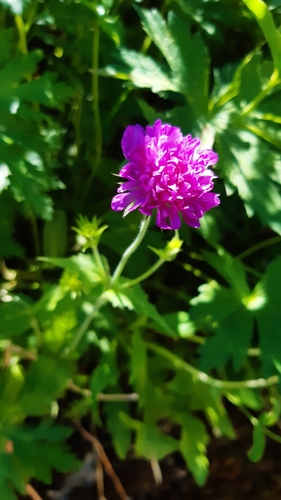
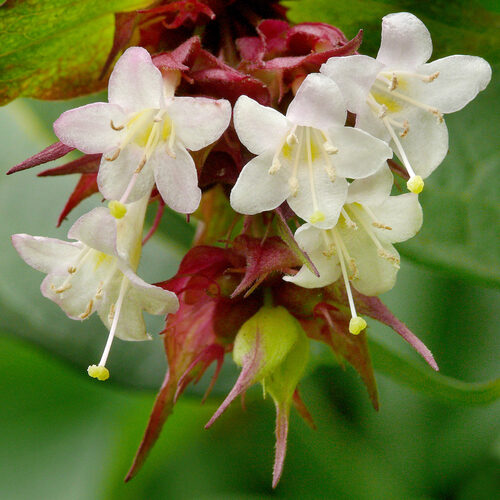
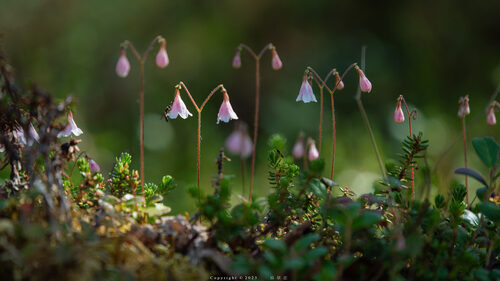
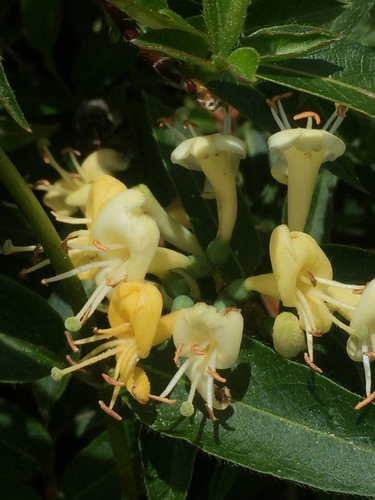
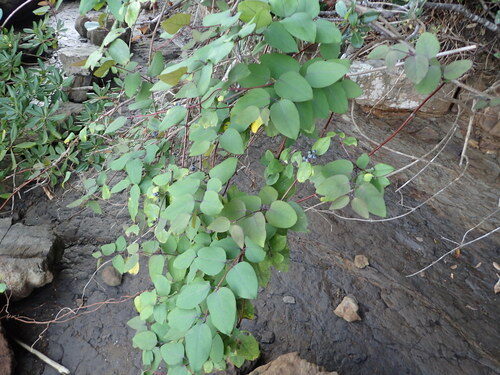
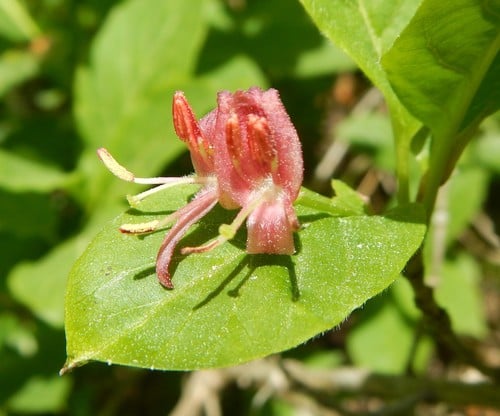
Scabiosa fischeri
DC.
gbif· cc0
Conveyor Belt
gbif· cc-by-nc-sa
MBG
gbif· cc0
Conveyor Belt
Summary
A perennial growing to 0.5 m tall by 0.3 m wide, hardy to UK zone 4. Flowers July to October with seeds ripening August to October. Hermaphrodite flowers pollinated by insects. Adapts to light sandy, medium loamy, and heavy clay soils with mildly acidic to very alkaline pH. Prefers well-drained soil and tolerates both dry and moist conditions. Can grow in semi-shade or full sun.
Description
A perennial growing to 0.5 m tall by 0.3 m wide, hardy to UK zone 4. Flowers July to October with seeds ripening August to October. Hermaphrodite flowers pollinated by insects. Adapts to light sandy, medium loamy, and heavy clay soils with mildly acidic to very alkaline pH. Prefers well-drained soil and tolerates both dry and moist conditions. Can grow in semi-shade or full sun.
Edible Uses
Leaves are edible when cooked.
Medicinal Uses
None known
Distribution
It is a temperate plant.
Where It Grows
Asia, Manchuria, Siberia,
Cultivation
Prefers a neutral or alkaline soil and a sunny position. Succeeds in ordinary garden soil. A very ornamental plant. Members of this genus are rarely if ever troubled by browsing deer.
Propagation
Sow seed in a cold frame in spring. Seedlings are prone to damping off, so water carefully and ensure good ventilation. Prick out into individual pots once large enough to handle and plant into permanent positions in summer. Divide in spring; larger divisions can go directly into permanent positions. Smaller divisions do best potted up and grown on in a lightly shaded cold frame until well established, then planted out in summer.
Other Uses
None known
Notes
There are about 75 Scabiosa species. Also put in the family Dipsacaceae.
Synonyms
References (2)
- Plants for a Future database, The Field, Penpol, Lostwithiel, Cornwall, PL22 0NG, UK. http://www.scs.leeds.ac.uk/pfaf/
- Prodr. 4:658. 1830