Acrocomia crispa
(Kunth) C. F. Baker ex Becc.
Corojo
iNaturalist· cc-by-nc
(c) BOURGADE, some rights reserved (CC BY-NC), uploaded by BOURGADE
iNaturalist· cc-by-nc
(c) David M. Gascoigne, some rights reserved (CC BY-NC)
iNaturalist· cc0
no rights reserved
Summary
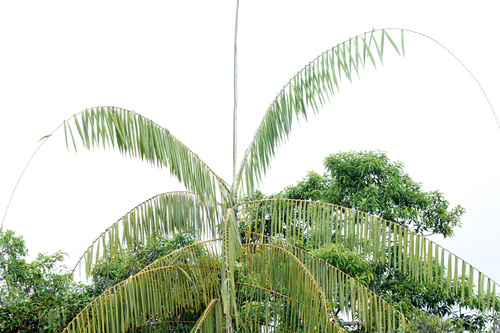
Source: WikipediaAcrocomia crispa, also known as the Cuban belly palm or corojo, a palm species which is endemic to Cuba. Formerly placed in its own genus, Gastrococos, recent work found that that genus was nested within Acrocomia. It is a tall, spiny palm with a trunk that is slender at the base, but swollen in the middle, giving it the name "Cuban belly palm" in English. The young palm tree stems are edible by humans and animals; the ripe fruit ripe is used to produce cooking oil and for animal feed.
Description
A shrub or small tree. It grows 5 m tall. There are prickles along the stem. The leaves are twice divided and there are 8-18 pairs of pinnae. There are up to 50 pairs of pinnules on each pinnae. The flowers are yellow. They are in large clusters at the ends of branches. The pods are flattened.
Edible Uses
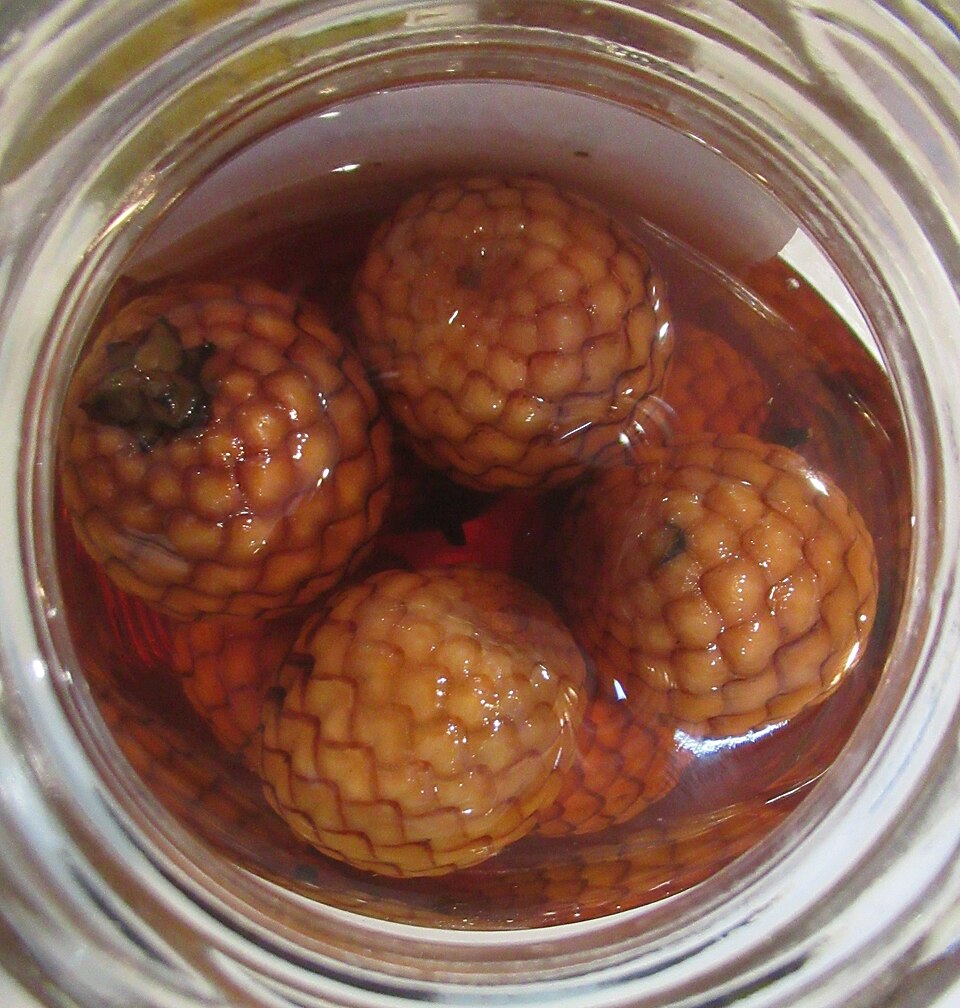
Each fructescence may contain about 2,000 - 3,000 globose orange fruits each around 25 - 27mm in diameter. The fruits contain a delicate, edible albumin that can barely supply a drop of oil. The flavour of the fresh seed is somewhat similar to that of the Coconut; but it does not possess purgative properties.
Medicinal Uses
Wine and brandy produced from the fruit is said to have medicinal properties, including treating some forms of asthma.
Distribution
It is a tropical plant.
Where It Grows
Central America, Cuba, West Indies,
Cultivation
The plant will often commence flowering and fruiting when around 6 - 8 years old, though it can take up to 18 years. Plants will often flower and fruit twice a year in their native environment.
Propagation
Seed - best sown as soon as it is ripe in a partially shaded position in individual containers. A low germination rate can usually be expected, with the seed taking more than a year to sprout. Some people scarify the seed and then soak it in water for as long as several weeks in order to get it to germinate.
Other Uses
The rachis of the leaves contains strong and elastic fibres that are used to make ropes and string. This rope is highly resistant and durable[1889. The sharp spines that are found all over the plant are traditionally used as toothpicks and hair pins.
Synonyms
Also Known As
Corojo
References (2)
- Melander, M., 2007, Endangered plants on the market in Havana City, Cuba. Uppsala University, Sweden p 19
- Miguel, E., et al, 1989, A checklist of the cultivated plants of Cuba. Kulturpflanze 37. 1989, 211-357