Calamus maximus
Blanco
Palasan
wikimedia· cc0
Wikimedia Commons - Gray, George Robert; Hullmandel & Walton; Hullmandel, Charles Joseph; Mitchell, D. W.
Description
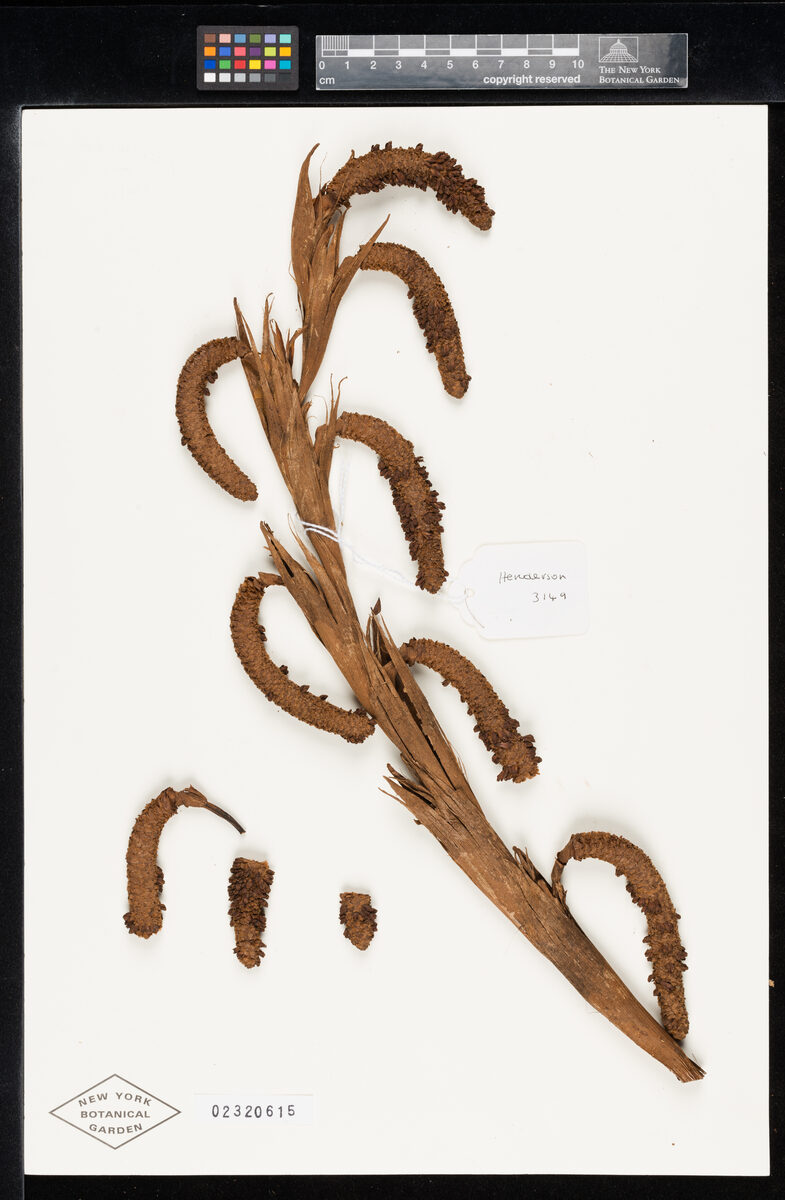
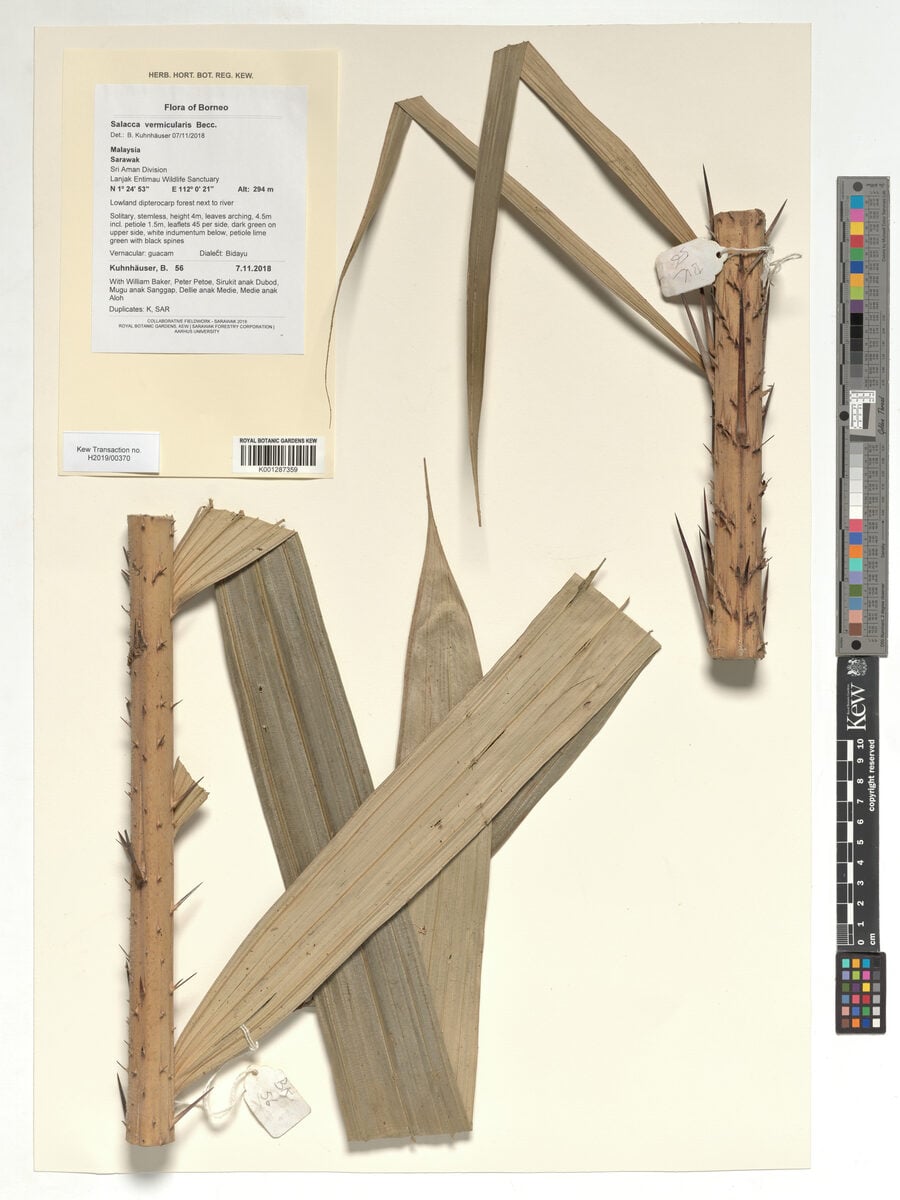
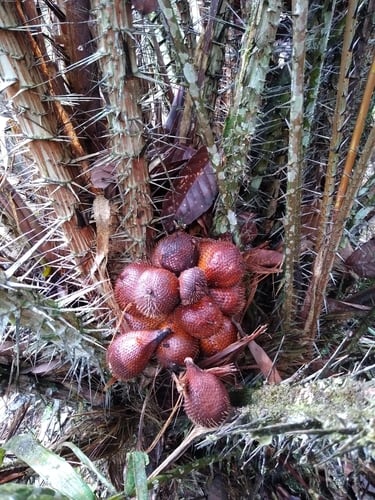
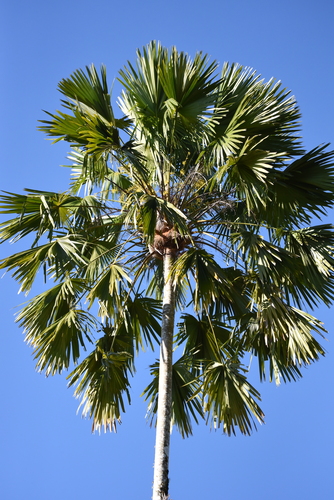
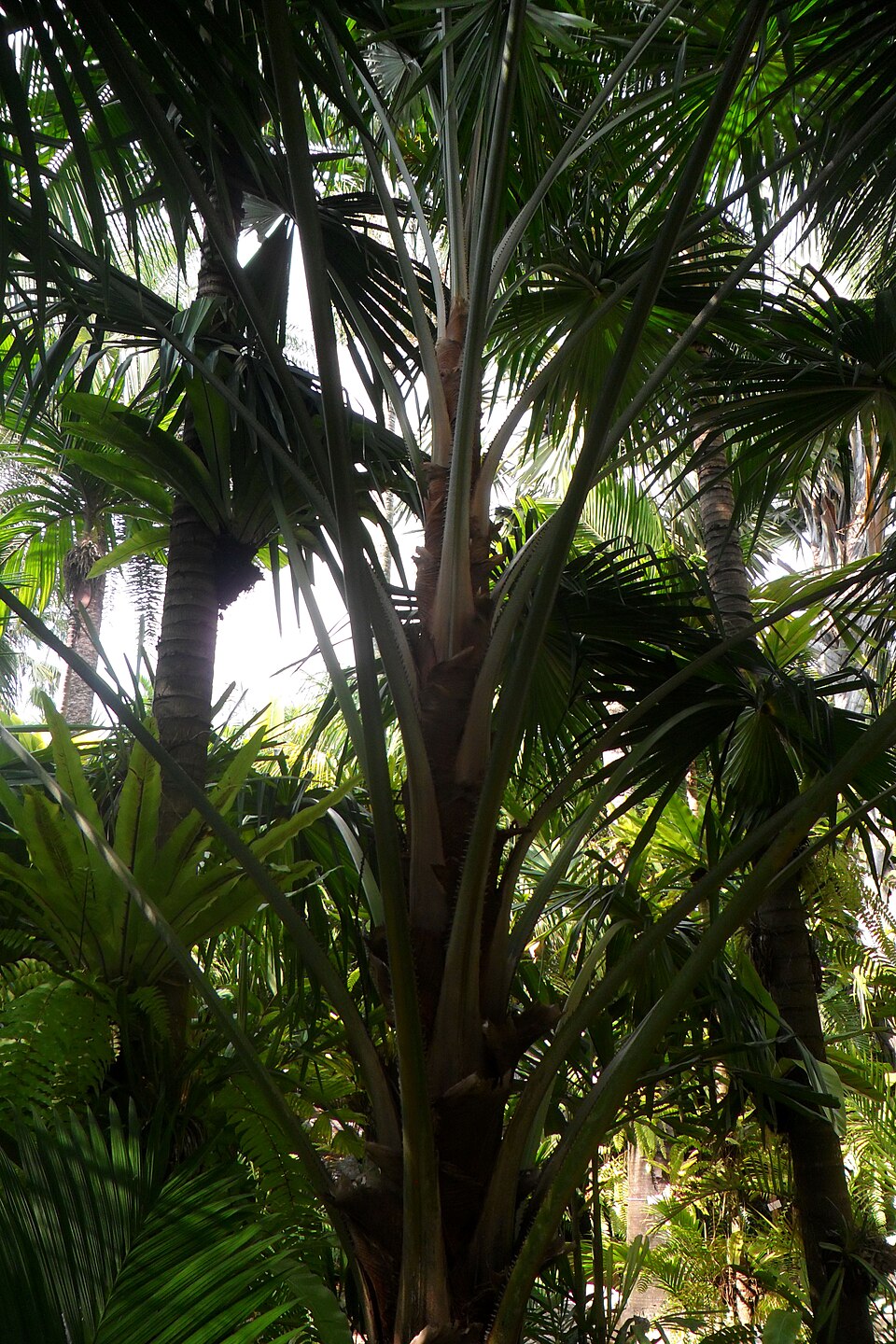
A very robust climbing cane. The leaf sheaths are covered with slender very small pointed structures. The leaflets have long bristles especially on the midrib underneath. There is a whip like structure attached as as part of the leaf. The fruit are round and the secondary bracts around the flower cluster are smooth.
Edible Uses
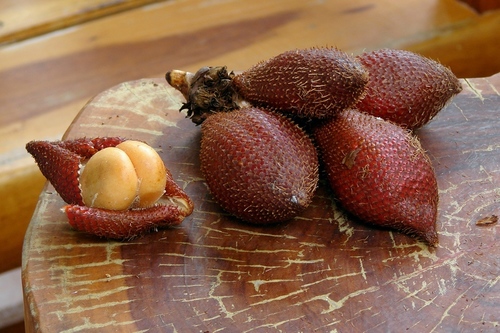
The buds are cooked and eaten, while the fleshy fruit can be eaten raw. Shoots and sap are also edible portions.
Traditional Uses
The bud is cooked and eaten. The fleshy part of the fruit is eaten raw.
This uses section is brief — help expand it
Distribution
A tropical plant. They occur throughout the Philippines in forested areas.
Where It Grows
Asia, Pacific, Philippines, SE Asia,
Notes
There are 375-400 Calamus species. There are 175 species in tropical Asia.
References (3)
- Alegado, A. M. & De Guzman, R. B., 2014, Indigenous food crops of the Aetas tribe in the Philippines and their traditional methods of food preparation. in Promotion of Underutilized Indigenous Food Resources for Food Security and Nutrition in Asia and Pacific. FAO. Bangkok p 160
- Fl. filip. ed. 1:266. 1837
- Monsalud, M.R., Tongacan, A.L., Lopez, F.R., & Lagrimas, M.Q., 1966, Edible Wild Plants in Philippine Forests. Philippine Journal of Science. p 522