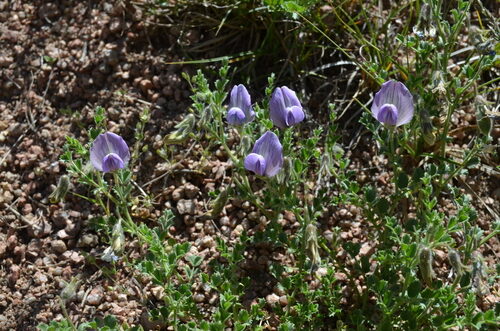
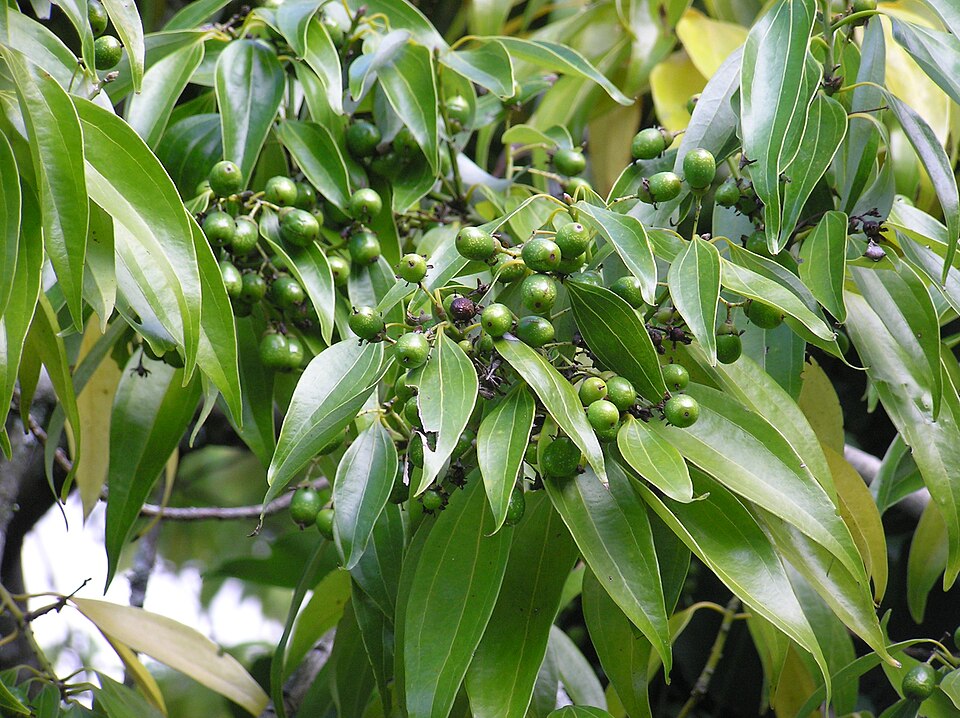
Medicago x varia
Martyn
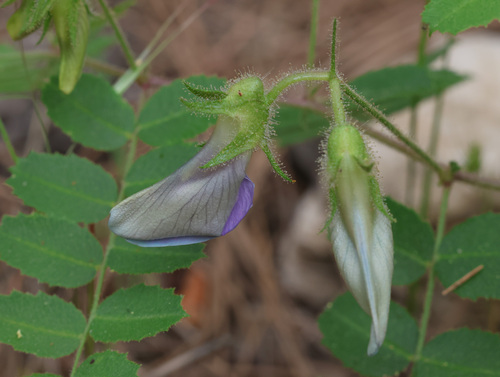
iNaturalist· cc-by-nc
(c) lcmunsell, some rights reserved (CC BY-NC)
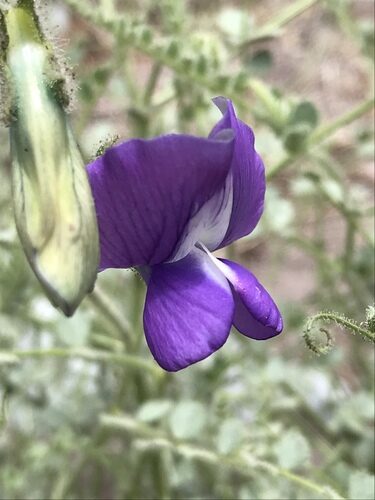
iNaturalist· cc-by-nc
(c) jltasset, some rights reserved (CC BY-NC)
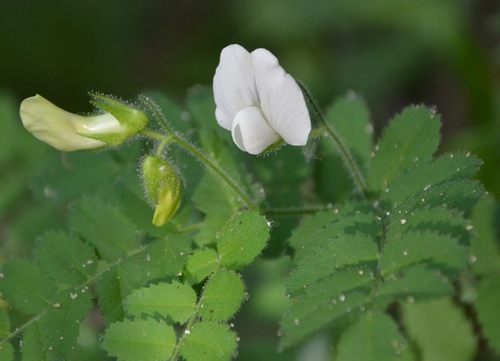
iNaturalist· cc-by-nc
(c) jmarmand, some rights reserved (CC BY-NC)
Description
A herb. It keeps growing from year to year. It grows 60-80 cm tall. The stems are 4 sided and branched.
This description is brief — help expand it
Edible Uses
The leaves are edible and can be eaten.
Known Hazards
Alfalfa sprouts may contain microbiological pathogens, mainly from Salmonella or E. coli, which have caused numerous food product recalls and illness outbreaks, putting sprouts into a "high risk" category for food safety. People with weakened immune systems, such as the elderly, pregnant women, or those taking prescription drugs affecting the immune system, should not eat sprouts. With long-term human consumption of alfalfa seeds, several safety concerns and medication interactions may result, including possible reactions similar to lupus erythematosus, an autoimmune disease. Other concerns are for women during pregnancy or breast-feeding, hormone-sensitive conditions (such as breast, uterine, and ovarian cancers), and for people with diabetes. Alfalfa may interact with warfarin (e.g. Coumadin), birth control pills (contraceptive drugs), and estrogens. Raw alfalfa seeds and sprouts are a source of the amino acid canavanine. Much of the canavanine is converted into other amino acids during germination, so sprouts contain much less canavanine than unsprouted seeds. Canavanine competes with arginine, resulting in the synthesis of dysfunctional proteins. Raw unsprouted alfalfa has toxic effects in primates, including humans, which can result in lupus-like symptoms and other immunological diseases in susceptible individuals. Stopping consumption of alfalfa seeds can reverse the effects.
Distribution
It is a temperate plant.
Where It Grows
Asia, China, Turkey, Türkiye,
Also Known As
Yaban yoncasi
References (1)
- Ertug, F, Yenen Bitkiler. Resimli Türkiye Florası -I- Flora of Turkey - Ethnobotany supplement