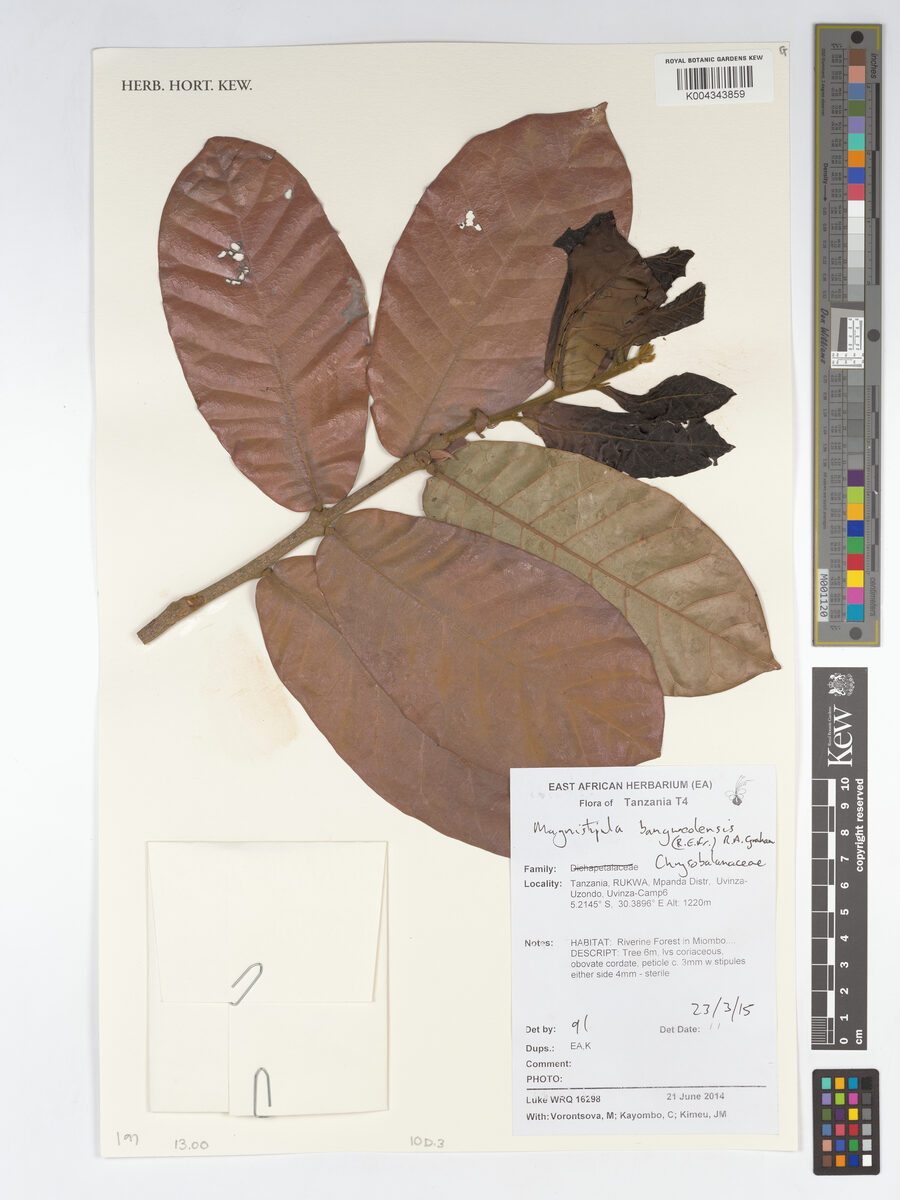
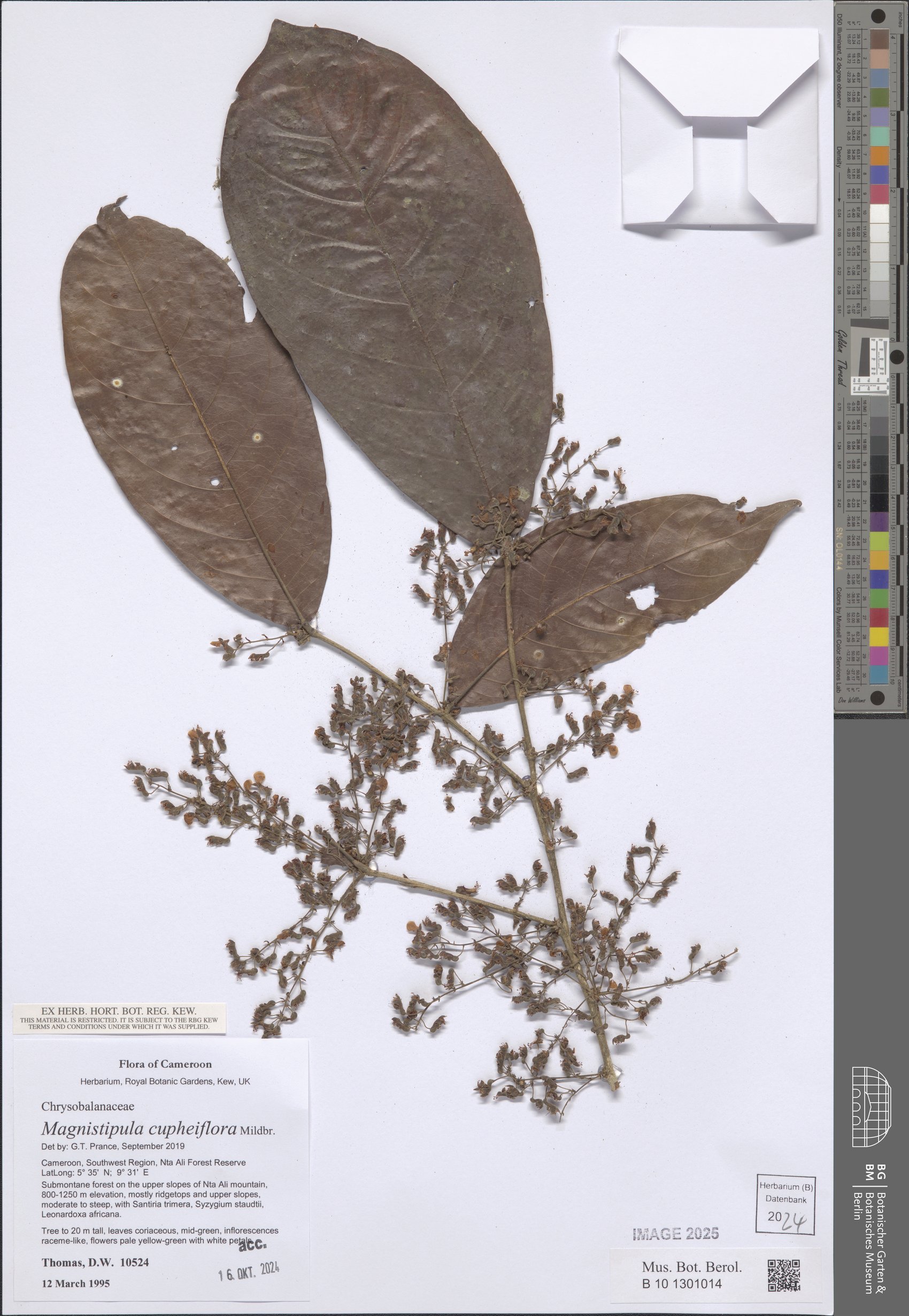
Couepia polyandra
(Kunth) Rose
Sun Sapote
iNaturalist· cc-by
(c) Alexis López Hernández, some rights reserved (CC BY), uploaded by Alexis López Hernández
iNaturalist· cc-by
(c) Alexis López Hernández, some rights reserved (CC BY), uploaded by Alexis López Hernández
iNaturalist· cc-by
(c) Alexis López Hernández, some rights reserved (CC BY), uploaded by Alexis López Hernández
Summary
Source: WikipediaCouepia polyandra, also known as olosapo, zapote amarillo, baboon cap, and monkey cap, is a flowering tree in the family Chrysobalanaceae.
Description
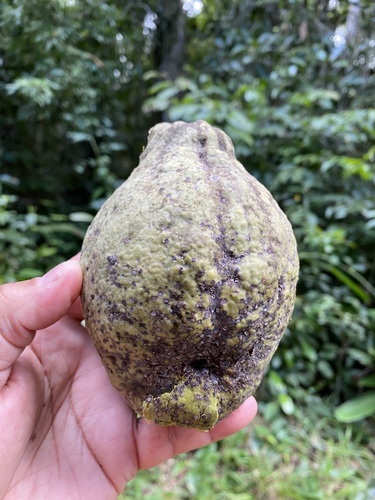
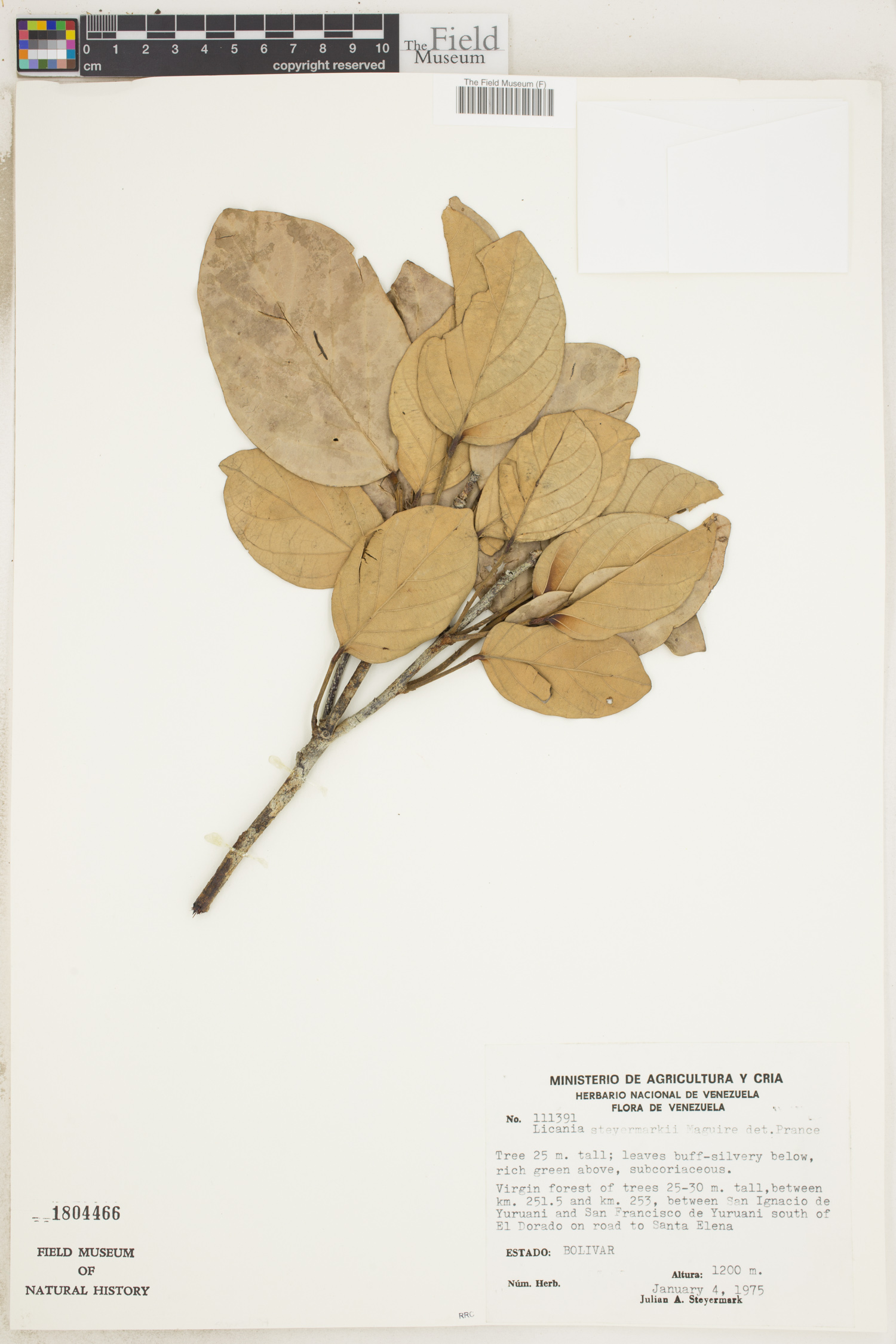
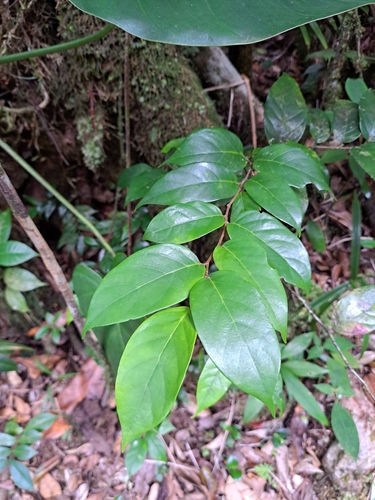
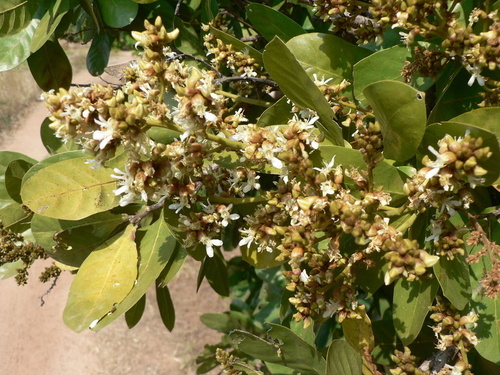
A small tree. It grows 15 m tall. The leaves are 6-13 cm long by 3-6 cm wide. The fruit are medium sized and oval with a rough surface. The can be 5-7 cm long. The flesh is soft and there is one seed inside. The pulp is yellow, juicy and fibrous.
Edible Uses
The fruit is eaten. The juicy, yellow pulp is sweet but very fibrous. The flesh is soft and sweet but the pulp is semi-dry and like egg-yolk in consistency. The orange-yellow fruit is 5 - 8cm long and 3 - 4cm in diameter, containing one large seed.
Traditional Uses
The fruit is eaten fresh.
This uses section is brief — help expand it
Distribution
A tropical plant. In Central America it grows between sea level to 900 m altitude. It can grow between sea level and 1,750 m above sea level.
Where It Grows
Asia, Belize, Central America, Costa Rica, El Salvador, Guatemala, Honduras, Mexico, North America, Pacific, Philippines, SE Asia, USA,
Cultivation
Requires a sunny position. Established plants are fairly drought resistant. Seedlings take about 6 years before they commence fruiting.
Production
Plants take up to 6 years to produce fruit.
Other Information
Fruit are sold in local markets. It is a cultivated food plant.
Notes
There are 71 Couepia species. They are all in tropical America.
Synonyms
Also Known As
Camero, Fraile, Frailecillo, Guayabillo de tinta, Guayo, Gurupillo, Olosao, Olosapo, Olozapote, Palo fraile, Uspi, Uspiib, Uxpiib, Zapote bolo, Zapotillo amarillo
References (17)
- Altschul, S.V.R., 1973, Drugs and Foods from Little-known Plants. Notes in Harvard University Herbaria. Harvard Univ. Press. Massachusetts. no. 1491 (As Couepia dodecandra)
- Arellanes, Y., et al, 2013, Influence of traditional markets on plant management in the Tehuacan Valley. Journal of Ethnobiology and Ethnomedicine 9:38
- Chizmar Fernandez, C., et al, 2009, Plantas comestibles de Centroamerica. Instituto de Biodiversidad, Costa Rica. p 144
- Contr. U.S. Natl. Herb. 5:196. 1899
- Coronel, R.E., 1982, Fruit Collections in the Philippines. IBPGR Newsletter p 9
Show all 17 references Hide references
- Facciola, S., 1998, Cornucopia 2: a Source Book of Edible Plants. Kampong Publications, p 78
- FMNH Botany Collections Database - Mesoamerican Ethnobotany emuweb.field museum.org
- Gonzalez-Espinosa, M. et al, 2011, The Red List of Mexican Cloud Forest Trees. Flora and Fauna International, Cambridge. p 25
- Hellmuth, N. M., 2011, Maya Ethnobotany. Complete Inventory of plants. Associacion FLAAR Mesoamerica. Tenth edition. (Also as Couepia dodecandra)
- Ibarra-Manriquez, G., et al, 1997, Useful Plants of the Los Tuxtlas Rain Forest (Veracruz, Mexico): Considerations of their Market Potential. Economic Botany, Vol. 51, No. 4, pp. 362-376
- Martin, F. W., et al, 1987, Perennial Edible Fruits of the Tropics. USDA Handbook 642 p 92
- Piedra-Malagón, E. M. et al, 2022, Edible native plants of the Gulf of Mexico Province. Biodiversity Data Journal 10: e80565 p 17
- Reis, S. V. and Lipp, F. L., 1982, New Plant Sources for Drugs and Foods from the New York Botanical Garden herbarium. Harvard. p 107
- Rollins, C. B., 1987, The Role of the Fruit & Spice Park in Popularization and Dissemination of Tropical Fruit in South Florida. Proc. Fla. State Hort. Soc. 100:323-327
- Segura, S., et al, 2018, The edible fruit species in Mexico. Genet Resour Crop Evol (2018) 65:1767–1793
- Standley, P. C. & Record, S. J., 1936, The Forests and Flora of British Honduras. (Belize). p 149 (As Couepia dodecandra)
- www.tradewindsfruit.com