Coryphantha vivipara
(Nutt.) Engelm.
Nipple cactus
iNaturalist· cc-by-nc
(c) Mike Hoogendyk, some rights reserved (CC BY-NC)
iNaturalist· cc-by-nc
(c) jmbearce, some rights reserved (CC BY-NC)
iNaturalist· cc-by-nc
(c) Amy Rager, some rights reserved (CC BY-NC)
Description
A small cactus. It is round or like a cylinder. It can be 13 cm high. The stems are 6 cm wide. It produces offsets to form clusters. There are about 16 spines which radiate out. There are 1-6 brown spines in the centre. They are all about 2 cm long. The flowers are pink or pale reddish-purple. They are 4 cm across. The fruit are berry like and red.
Edible Uses
The fruit is dried in the sun and eaten like dried currants.
Traditional Uses
The fruit are dried in the sun then eaten like dried currants.
This uses section is brief — help expand it
Distribution
It needs bright light. It needs a temperature above 7°C to grow. Some varieties can stand temperatures down to -23°C, especially under snow.
Where It Grows
Canada, Central America, Mexico, North America, USA,
Cultivation
Plants are grown from seed.
Notes
There are about 45 Coryphantha species. Fruit are used in medicine.
Synonyms
References (8)
- Anderson, M., 2002, The World Encyclopedia of Cacti and Succulents. Hermes House, New York. p 76 (As Escobaria vivipara)
- Beckstrom-Sternberg, Stephen M., and James A. Duke. "The Foodplant Database." http://probe.nalusda.gov:8300/cgi-bin/browse/foodplantdb.(ACEDB version 4.0 - data version July 1994)
- Benson, L., 1969, The Native Cacti of California. Stanford University Press. p 211
- Brickell, C. (Ed.), 1999, The Royal Horticultural Society A-Z Encyclopedia of Garden Plants. Convent Garden Books. p 421 (As Escobaria vivipara)
- Chapman, P and Martin, M., 1989, Exotic Cacti, HP Books p 58
Show all 8 references Hide references
- Etkin, N.L. (Ed.), 1994, Eating on the Wild Side, Univ. of Arizona. p 72
- Facciola, S., 1998, Cornucopia 2: a Source Book of Edible Plants. Kampong Publications, p 63 (var. arizonica)
- Innes, C. and Glass, C., 1997, The Illustrated Encyclopedia of Cacti. Sandstone Books. p 58
More from Cactaceae
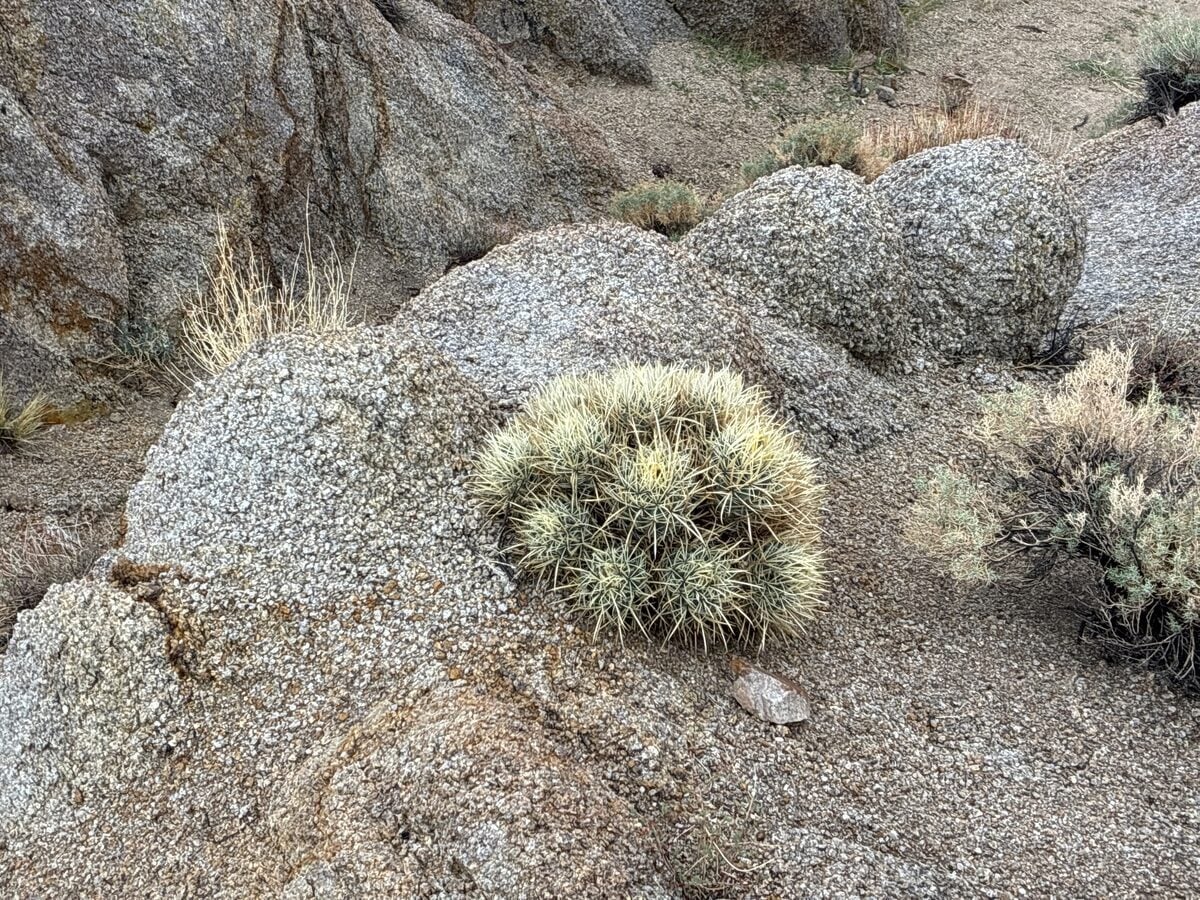
Homalocephala polycephala - (Engelm. & J.M.Bigelow) F.M.Knuth
Triangle Cactus, Cotton-top cactus
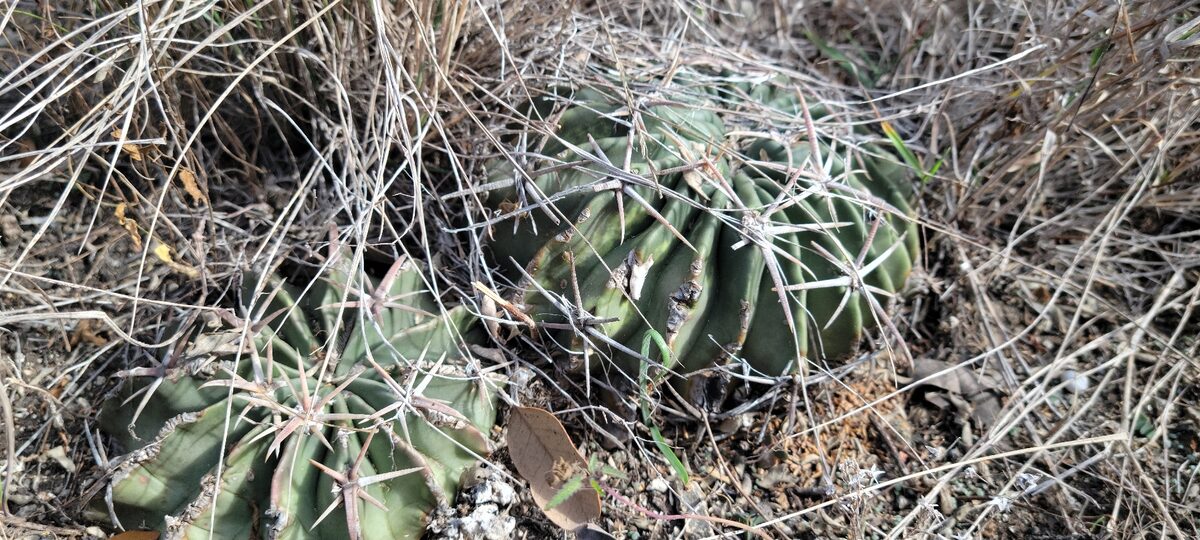
Homalocephala texensis - (Hopffer) Britton & Rose
Horse Crippler or Devil's Head cactus.
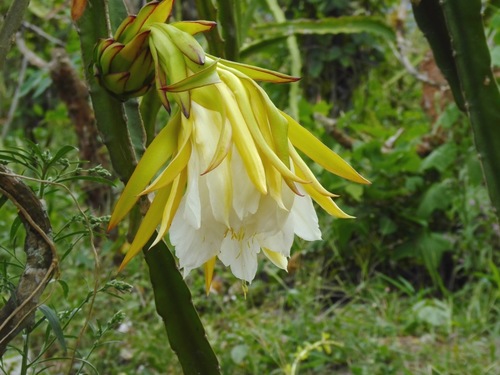
Hylocereus megalanthus
Yellow pitahaya
Hylocereus purpusii
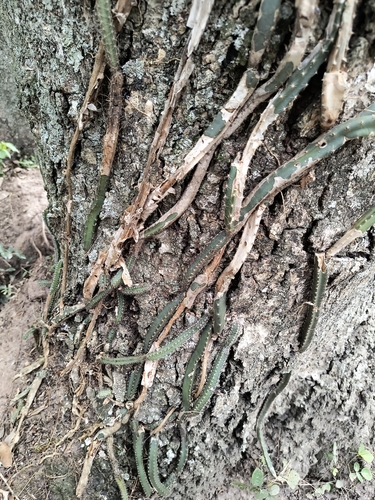
Hylocereus setaceus
Pitainha
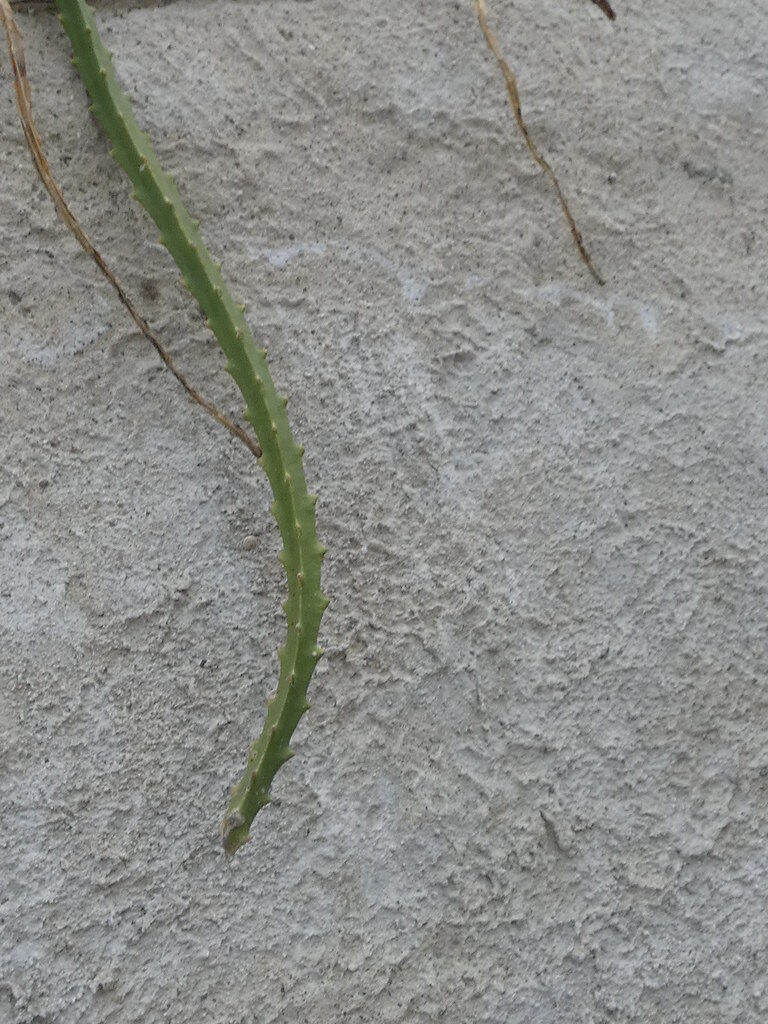
Hylocereus undatus - (Haw.) Britton & Rose
Dragon Fruit, Red Pitaya