Uvularia grandiflora
Sm.
Bellflower
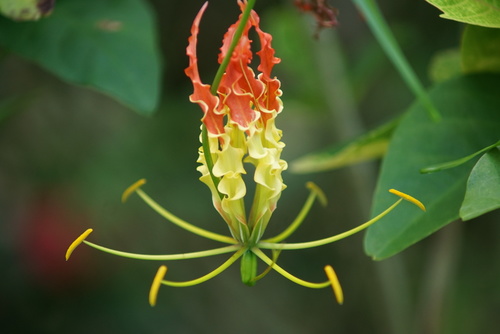
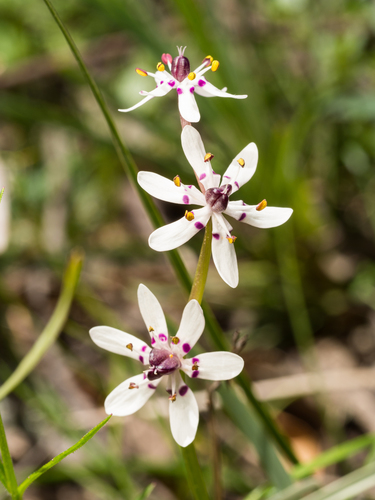
iNaturalist· cc-by-nc-nd
(c) JanetandPhil, some rights reserved (CC BY-NC-ND)
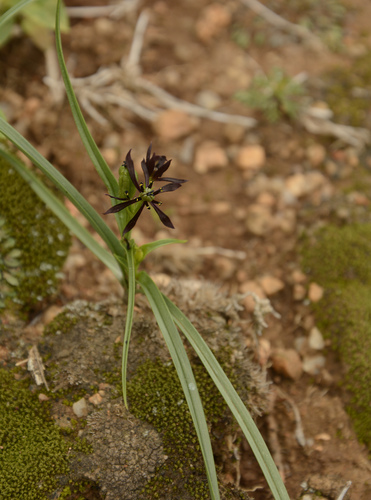
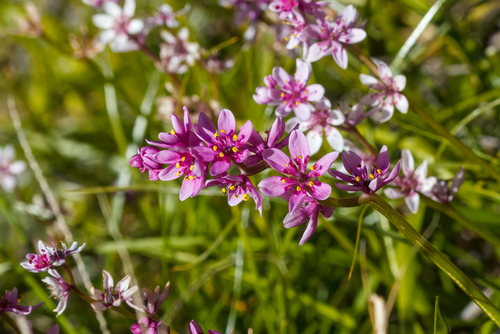
iNaturalist· cc-by-nc-nd
(c) Nicholas Turland, some rights reserved (CC BY-NC-ND)
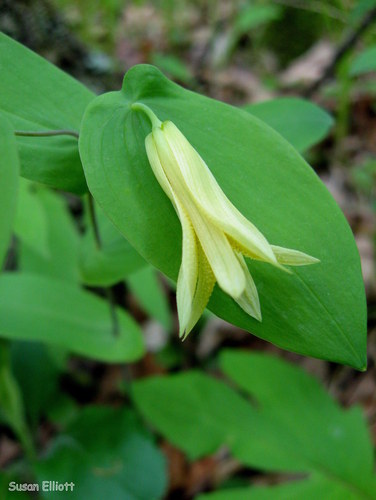
iNaturalist· cc-by-sa
(c) Douglas Goldman, some rights reserved (CC BY-SA), uploaded by Douglas Goldman
Summary
Source: WikipediaUvularia grandiflora, the large-flowered bellwort or merrybells, is a species of flowering plant in the family Colchicaceae, native to eastern and central North America.
Description
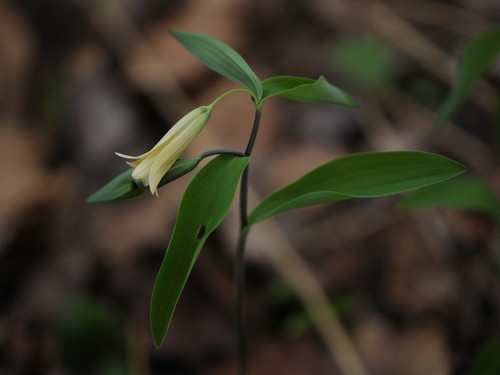
A lily like herb. It grows 30 cm tall. It grows fro thickened roots. The leaves are alternate and rounded at the base. There are 3-5 prominent parallel veins. The leaves are 8 cm long by 3 cm wide. There is a single flower in the end of a stem. The flowers hang down. They are yellow and curled in spirals.
Edible Uses
None known
Traditional Uses
The young flowers are eaten as a vegetable. The branches from the rootstock are eaten raw in a salad.
This uses section is brief — help expand it
Medicinal Uses
The root is analgesic and is used as a poultice or salve to treat toothaches, boils, swellings, wounds, and ulcers. An infusion of the root has been used internally to treat backaches, and the same infusion mixed with oil has been applied as a salve on sore muscles. A tea made from the roots is used as a wash to treat rheumatic pains.
Distribution
It is a temperate plant.
Where It Grows
North America, USA,
Cultivation
An easily grown plant, it requires a cool moist shady position and a light sandy soil. Likes plenty of humus in the soil. Grows well in a woodland garden and in the rock garden. Plants grow much taller in rich soils and then succeed in the herbaceous border. A very hardy plant, tolerating temperatures down to about -20°c. A very ornamental species, there are some named varieties.
Propagation
Seed is best sown in a cold frame as soon as it ripens in summer. Stored seed should be sown in late winter in a cold frame. Prick seedlings into individual pots once large enough to handle and grow them on in a greenhouse for at least their first winter. Plant out into permanent positions in late spring or early summer, after the last expected frosts. Division can be done after the plants die down in late summer, though early spring before flowering is preferable. Larger divisions can go directly into permanent positions; smaller ones are best potted up and grown on in light shade in a greenhouse or cold frame until establishing well, then planted out the following spring.
Other Uses
None known Special Uses
Synonyms
References (1)
- Wild Edible Plants of the Whitmire Wildflower Garden. Missouri Botanical Gardens.