Disporum sessile
(Thunb.) D. Don.
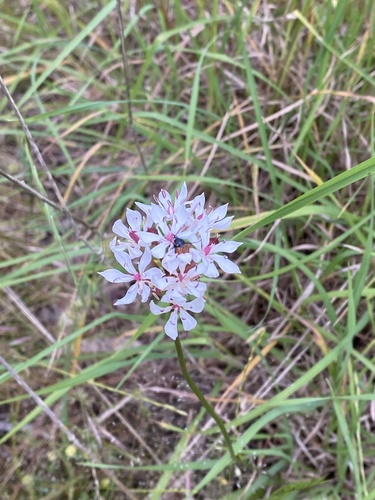
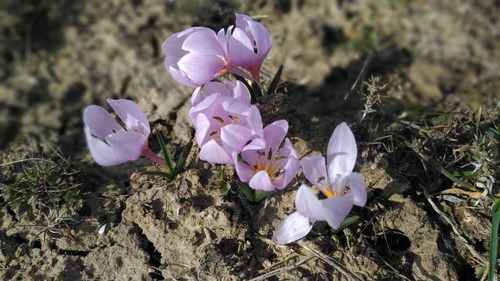
iNaturalist· cc-by-nc
(c) df60603, some rights reserved (CC BY-NC), uploaded by df60603
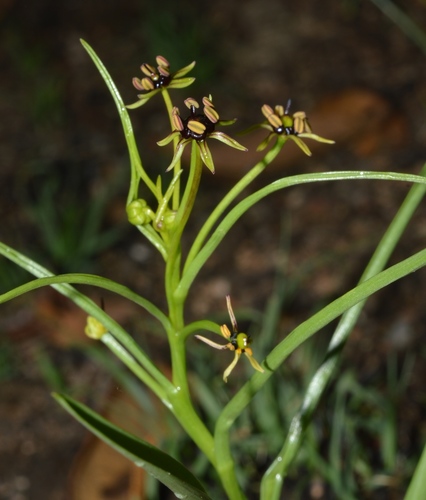
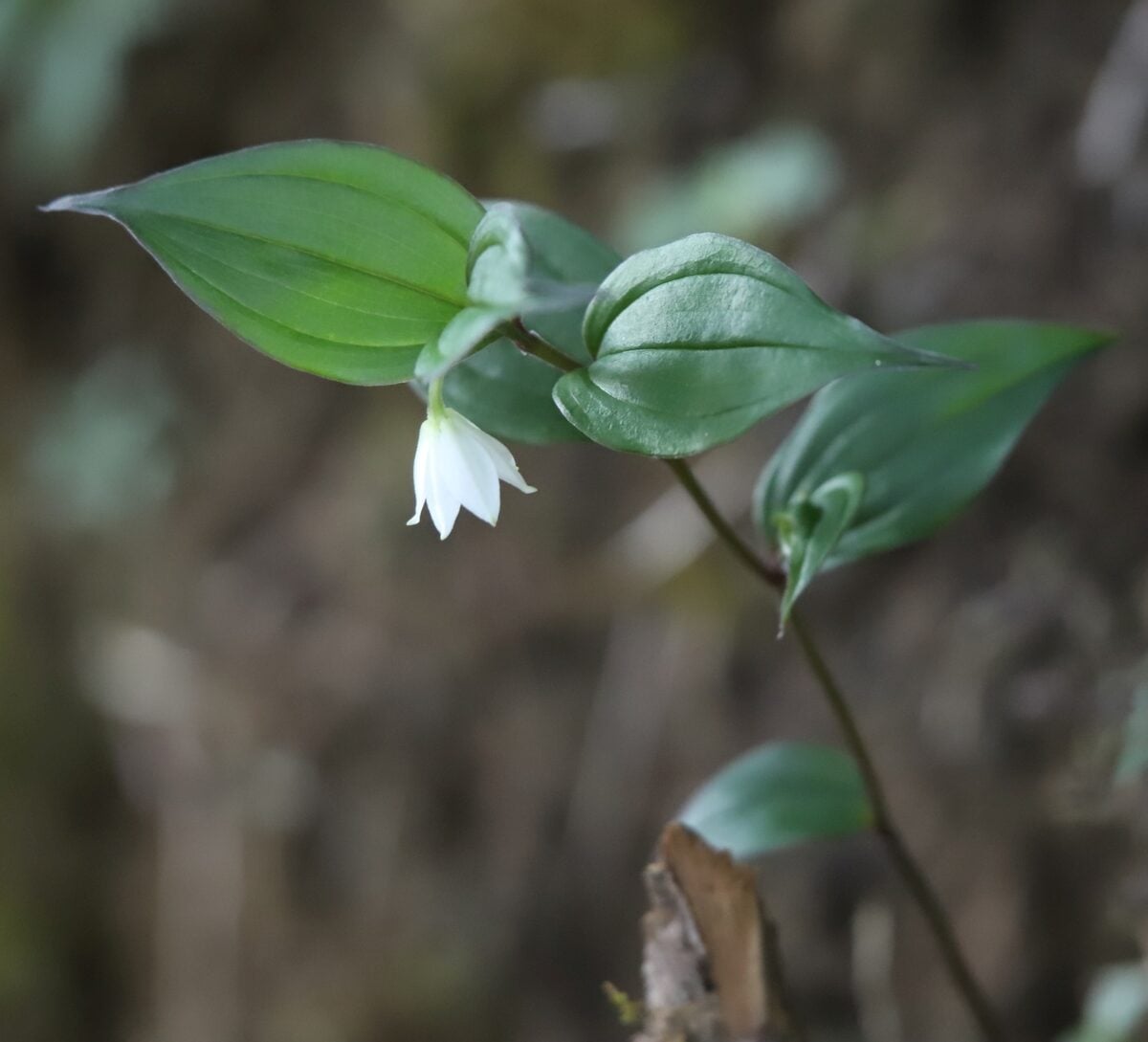
iNaturalist· cc-by-nc
(c) Mizuki Shimoda, some rights reserved (CC BY-NC), uploaded by Mizuki Shimoda
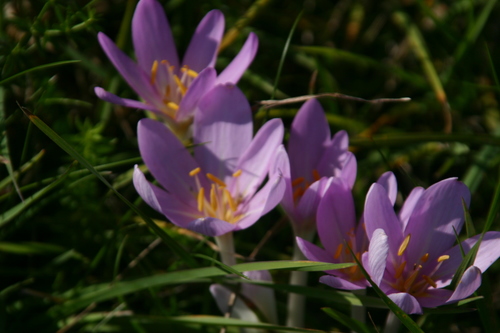
iNaturalist· cc-by-sa
(c) harum.koh, some rights reserved (CC BY-SA), uploaded by harum.koh
Summary
A perennial growing to 0.6 m tall and 1 m wide at a fast rate, hardy to UK zone 7. Produces hermaphrodite flowers from April to May. Adapts to light sandy, medium loamy, or heavy clay soils with mildly acid to basic pH. Tolerates semi-shade and prefers consistently moist soil.
Description
A plant that keeps growing from year to year. It grows 50 cm tall. The flowers are bell shaped and hang down.
This description is brief — help expand it
Edible Uses
Young leaves are edible when cooked.
Medicinal Uses
None known.
Distribution
It is a temperate plant. It grows well in shade.
Where It Grows
Asia, Australia, Himalayas, Japan, Korea, Nepal,
Propagation
Sow seed in a cold frame as soon as it is ripe, using lime-free compost kept consistently moist. Stored seed requires 6 weeks of cold stratification and should be sown as early in the year as possible. Germination generally takes 3–6 months or more at 15°C. Prick seedlings into individual pots once large enough to handle and grow on under glass through at least their first winter. Plant out into permanent positions in late spring or early summer, after the last expected frosts. Division can be carried out in spring.
Other Uses
None known.
Notes
There are 20 Disporum species.
References (4)
- Hibbert, M., 2002, The Aussie Plant Finder 2002, Florilegium. p 88
- Plants for a Future database, The Field, Penpol, Lostwithiel, Cornwall, PL22 0NG, UK. http://www.scs.leeds.ac.uk/pfaf/
- Prodr. fl. nepal. 50. 1825
- Ryan, S., 2008, Dicksonia. Rare Plants Manual. Hyland House. p 100