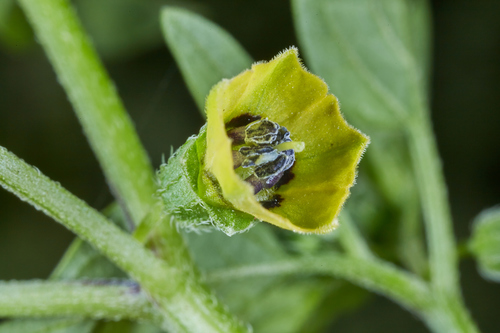
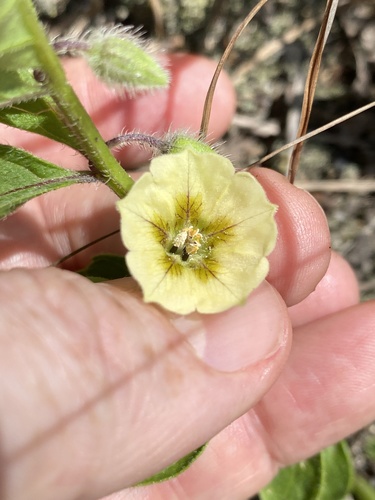
Lycium chilense
Miers ex Bertero
Coralillo
iNaturalist· cc-by-nc
(c) mildred_ehrenfeld, some rights reserved (CC BY-NC), uploaded by mildred_ehrenfeld
iNaturalist· cc-by-nc
(c) Gustavo Marino, some rights reserved (CC BY-NC), uploaded by Gustavo Marino
Description
A temperate shrub growing 1 m tall and 1 m wide with alternate, oval leaves.
This description is brief — help expand it
Edible Uses
The fruit are eaten.
Medicinal Uses
Lycium, particularly L. barbarum, have long been used in traditional Chinese medicine. The leaves and roots of other species of Lycium, such as L. europaeum, when mixed with water, have been used in folk medicine. The fruit of L. barbatum and L. chinense, known as goji berry, is commonly consumed as a dried fruit. The Chinese tonic gou qi zi ("wolfberry fruit") is made of the fruit of any of several Lycium species, and is used as a dietary supplement.
Distribution
It is a temperate plant.
Where It Grows
Argentina, Chile, South America,
Also Known As
Yaoyin
References (3)
- Chamorro, M. F., & Ladio, A., 2020, Native and exotic plants with edible fleshy fruits utilized in Patagonia and their role as sources of local functional foods. BMC Complementary Medicine and Therapies. 20:155
- Cordero, S. E., Abello, L. A., & Galvez, F. L., 2017, Plantas silvestres comestibles y medicinales de Chile y otras partes del mundo. CORMA p 75
- Leon-Lobos, P., et al, 2022, Patterns of Traditional and Modern Uses of Wild Edible Native Plants of Chile: Challenges and Future Perspectives. Plants (Basel) v 11 (6) Table S1