Halimione portulacoides
(L.) Aellen.
Sea purslane
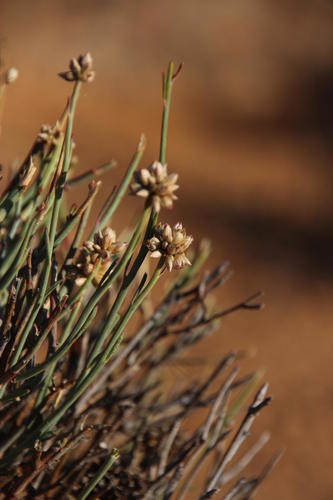
iNaturalist· cc-by
(c) zebedeugalinha, some rights reserved (CC BY)
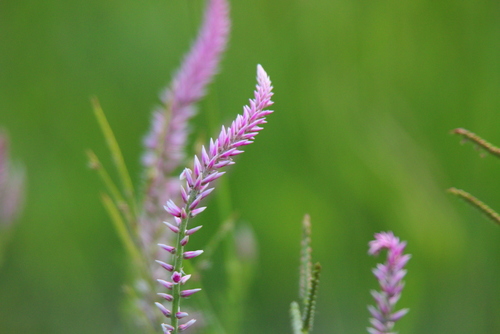
iNaturalist· cc-by
(c) Duarte Frade, some rights reserved (CC BY)
iNaturalist· cc-by-nc
(c) Παναγιώτης Ραφαηλίδης, some rights reserved (CC BY-NC)
Summary
Source: WikipediaHalimione portulacoides, commonly known as sea purslane, is a shrub found in Eurasia.
Description
Evergreen shrub reaching 0.8 m tall with year-round foliage and flowers from July to September. Wind-pollinated and monoecious. Tolerates light sandy, medium loamy, and heavy clay soils, including nutritionally poor conditions. Grows in mildly acidic to basic soils, including very alkaline and saline soils. Suitable for semi-shaded and open areas in moist or wet conditions. Tolerates maritime exposure well.
Edible Uses
The leaves can be eaten raw in salads or cooked as a potherb. They are thick and succulent with a good crunchy texture and a natural saltiness. When gathered from the wild, they need careful washing before use.
Traditional Uses
The leaves can be eaten raw in salads or cooked as a potherb.
This uses section is brief — help expand it
Medicinal Uses
None known
Distribution
It is a temperate plant. It grows in salt marshes near the seaside. It is often flooded at high tide.
Where It Grows
Africa, Britain, Europe, Ireland, Mediterranean, Slovenia,
Propagation
Seed is best sown as soon as it is ripe in autumn in a cold frame, germinating from winter onwards. Prick seedlings into individual pots once large enough and grow on in the greenhouse through their first winter, then plant out in late spring or early summer after the last expected frosts. Half-ripe wood cuttings taken in July or August root very easily in a frame. Division in spring is also straightforward.
Other Uses
None known Special Uses
Notes
Also put in the family Chenopodiaceae.
Synonyms
References (1)
- Cerne, M., 1992, Wild Plants from Slovenia used as Vegetables. Acta Horticulturae 318