Cycloloma atriplicifolium
(Sprengel) J. Coulter
Winged pigweed
iNaturalist· cc-by-nc
(c) Misha Zitser, some rights reserved (CC BY-NC)
iNaturalist· cc-by-nc
(c) Misha Zitser, some rights reserved (CC BY-NC)
iNaturalist· cc-by-nc
(c) Misha Zitser, some rights reserved (CC BY-NC)
Summary
Source: WikipediaCompact annual herb growing 0.5 m tall and wide. Hermaphrodite flowers bloom August to September with seeds ripening September to October, wind-pollinated. Tolerates light sandy and medium loamy soils, prefers well-drained soil, and grows in poor nutrition. Adaptable to mildly acid through very alkaline pH. Grows in semi-shade to full sun and tolerates drought. Hardy to UK zone 5.
Description
A herb. It grows each year from seeds. It grows 15-50 cm tall. The flowers occur singly and without stalks.
This description is brief — help expand it
Edible Uses
The seed is very small — about 1.5mm in diameter — but was used as a staple food by several Native North American tribes. It is cooked and can be ground into a powder, then mixed with wheat or other cereals for use in bread and similar preparations, or prepared as a gruel.
Traditional Uses
The seeds are ground and eaten in cakes.
This uses section is brief — help expand it
Medicinal Uses
The plant has been used in the treatment of fevers, rheumatism, and headaches.
Distribution
It is a temperate plant. In Argentina it grows below 500 m above sea level.
Where It Grows
Argentina, Australia, North America, South America, USA,
Propagation
Sow seed in situ in April or May.
Other Uses
A pink dye is obtained from the seed.
Notes
Also put in the family Chenopodiaceae.
Synonyms
References (4)
- Beckstrom-Sternberg, Stephen M., and James A. Duke. "The Foodplant Database." http://probe.nalusda.gov:8300/cgi-bin/browse/foodplantdb.(ACEDB version 4.0 - data version July 1994)
- Flora of Australia, Volume 4, Phytolaccaceae to Chenopodiaceae, Australian Government Publishing Service, Canberra (1984) p 177
- Mem. Torrey Bot. Club 5:143. 1894
- Plants for a Future database, The Field, Penpol, Lostwithiel, Cornwall, PL22 0NG, UK. http://www.scs.leeds.ac.uk/pfaf/
More from Amaranthaceae
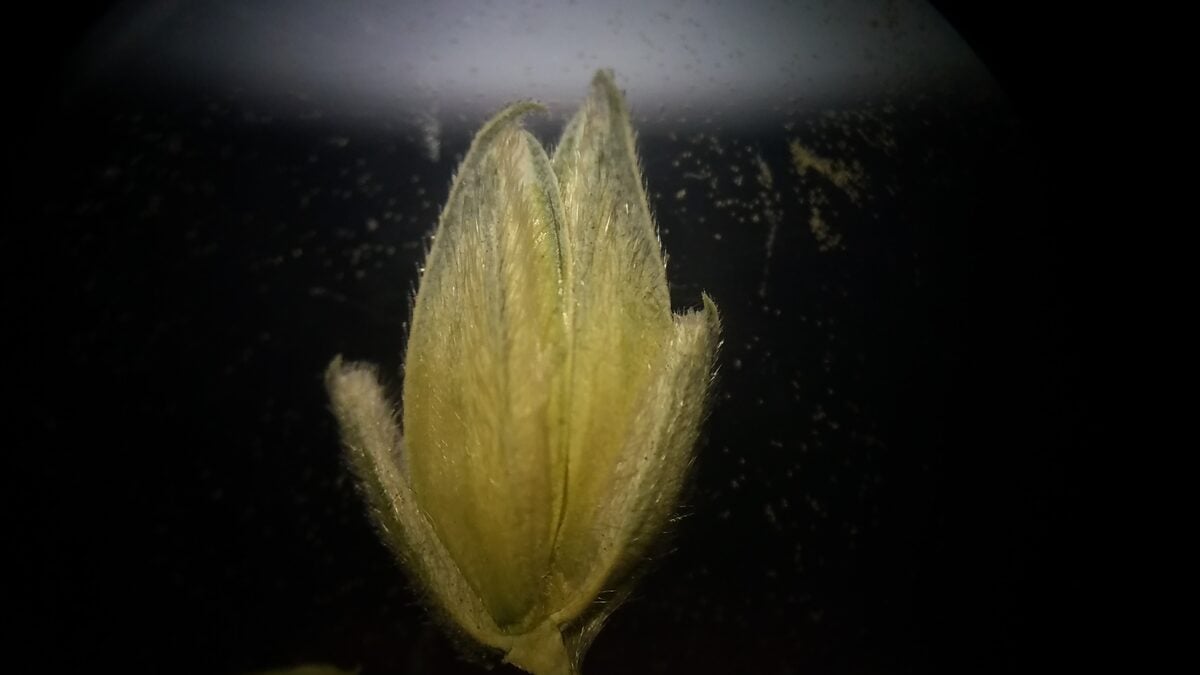
Triticum aestivum compactum - (Host.)Mackey.
Club Wheat
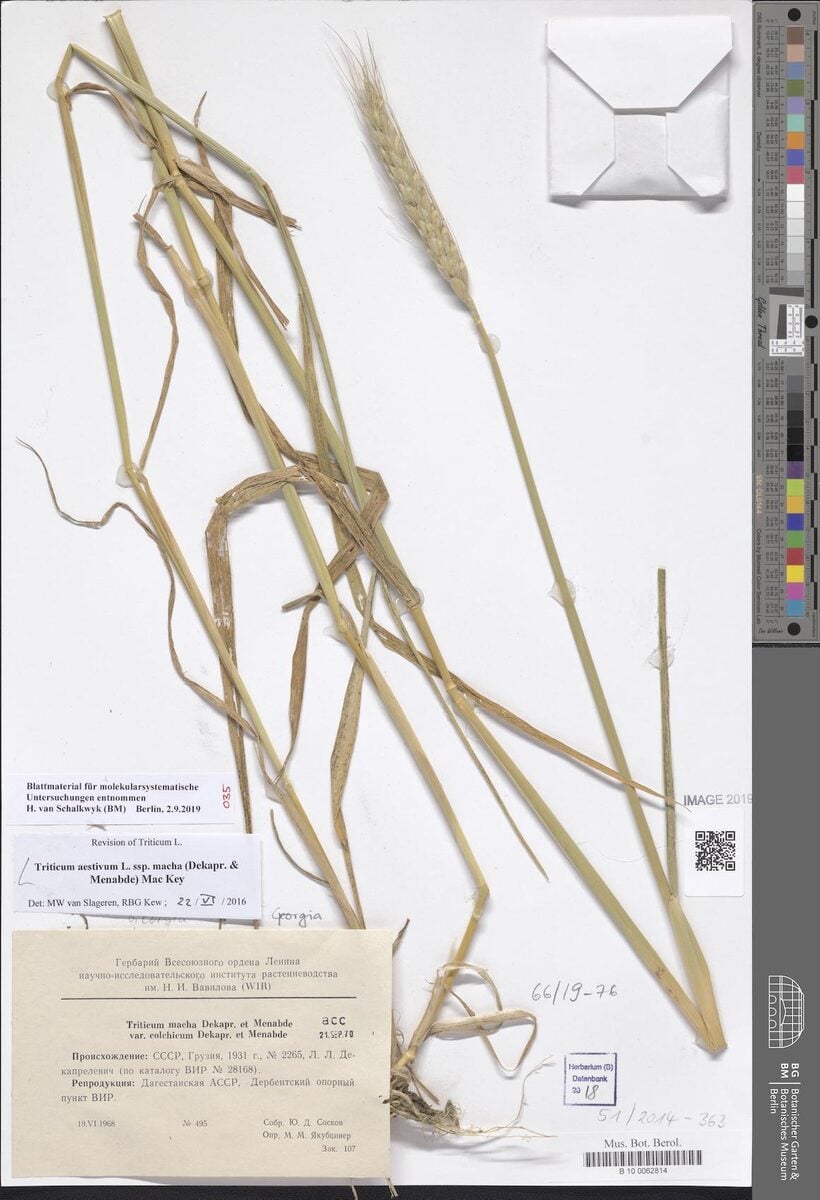
Triticum aestivum macha - (Dekapr.&A.M.Menabde.)Mackey.
Makha Wheat
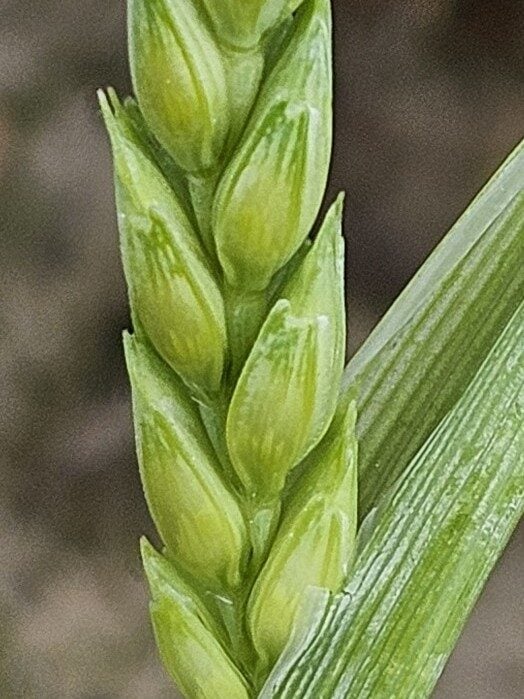
Triticum aestivum spelta - (L.)Thell.
Spelt Wheat
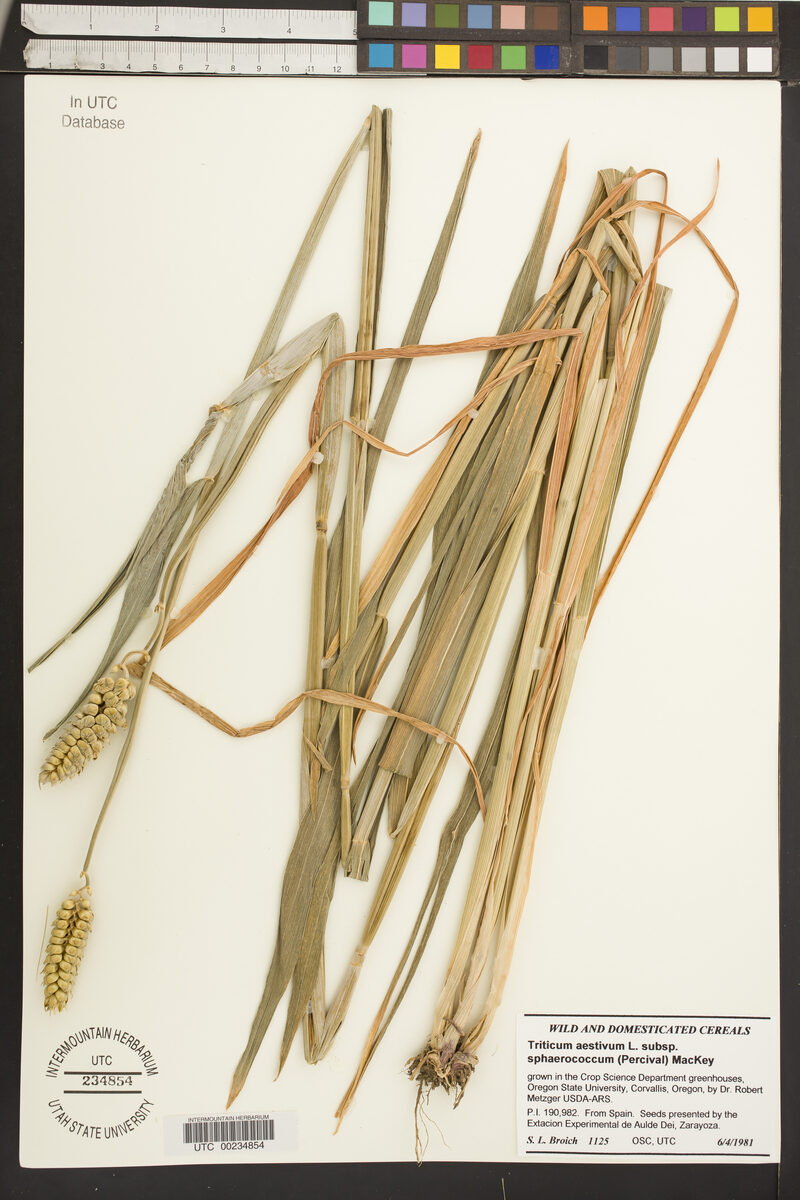
Triticum aestivum sphaerococcum - (Percival)Mackey.
Shot Wheat
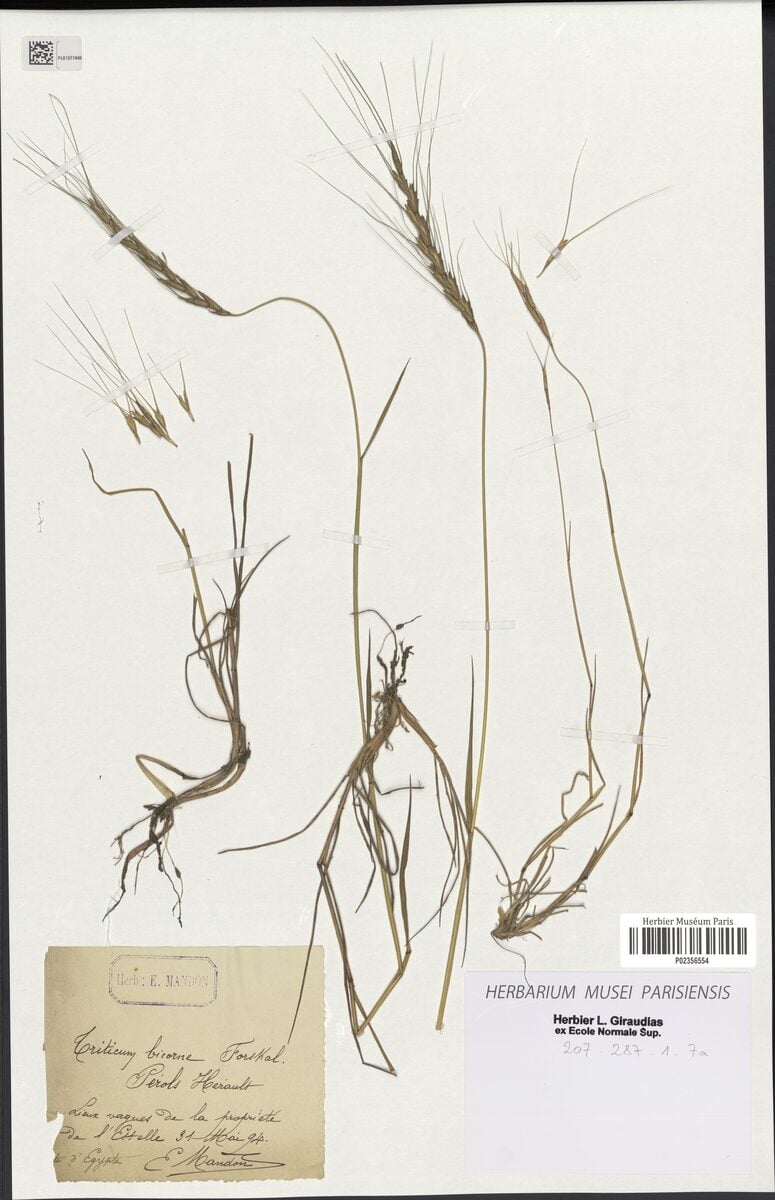
Triticum bicorne
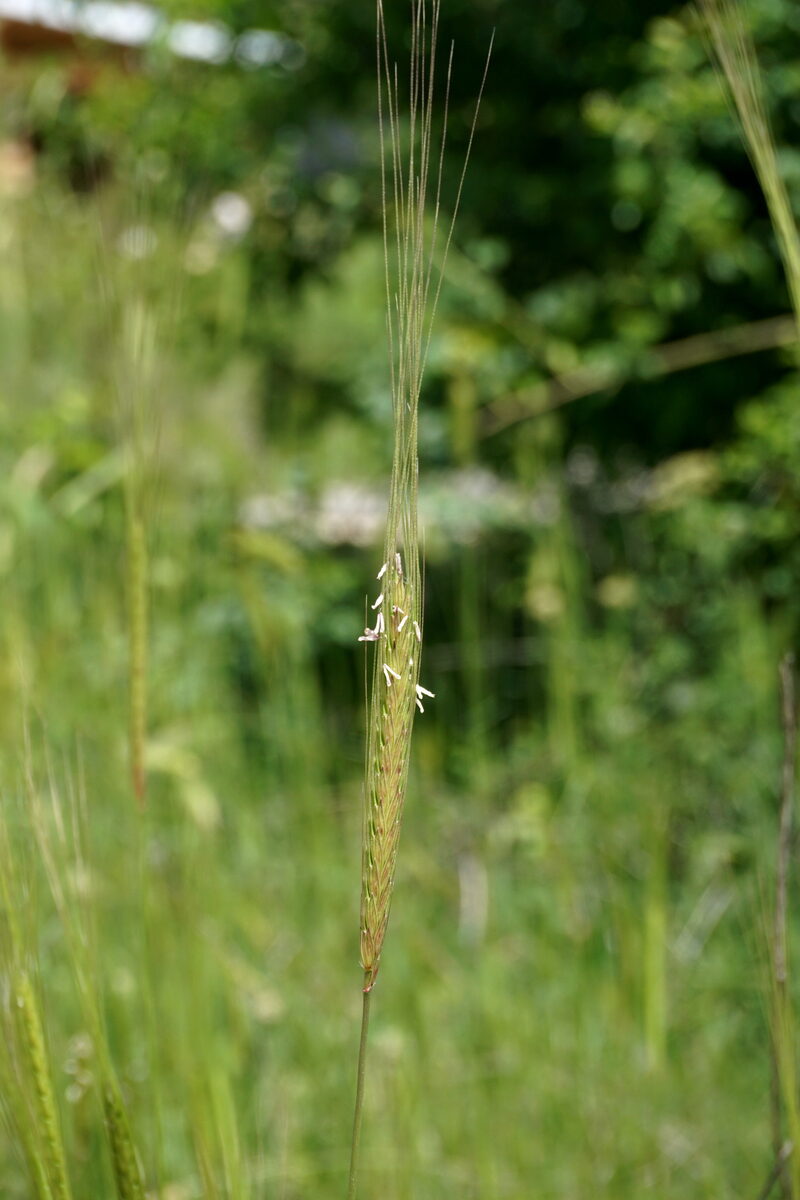
Triticum monococcum aegilopoides - (Link.)Thell.
Wild Einkorn