Ceroxylon vogelianum
(Engel) H. Wendl.
Coco, Palma de ramo, Palma negra
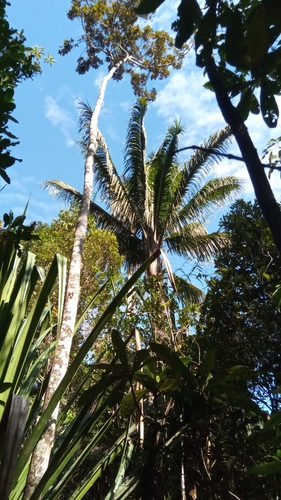
iNaturalist· cc-by-nc
(c) Oswaldo Hernández, some rights reserved (CC BY-NC), uploaded by Oswaldo Hernández
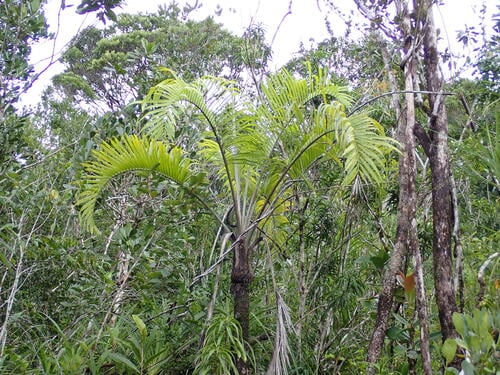
iNaturalist· cc-by-sa
(c) Fabien Anthelme, some rights reserved (CC BY-SA), uploaded by Fabien Anthelme
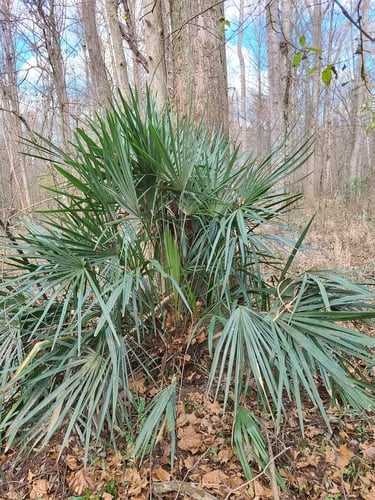
iNaturalist· cc-by-nc-sa
(c) Mateo Hernandez Schmidt, some rights reserved (CC BY-NC-SA), uploaded by Mateo Hernandez Schmidt
Summary
Source: WikipediaCeroxylon vogelianum, also known as the Vogels wax palm is a palm native to the Andes from Venezuela south to Peru in humid montane forest, at an elevation of 1900 – 2900 meters.
Description
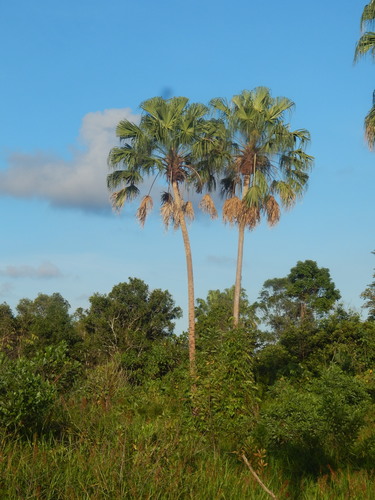
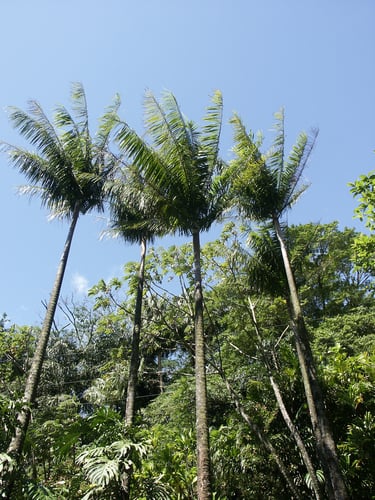
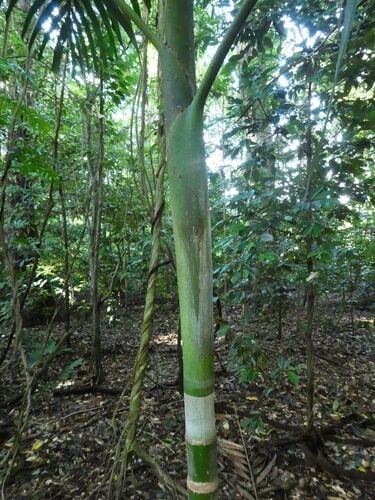
A solitary palm. The stems are 3-13 m tall. They are 10-20 cm across. They sometimes bend at the top. The trunk is grey or green. There are 6-15 leaves. They are feather like and curved. The crown is almost round and has a ragged appearance. There are 70-110 leaflets on each side of the leaf. They are arranged irregularly in clusters. They spread in different directions. The fruit are small and green and 1.5 cm across. The fruit became red and have netlike grooves.
Edible Uses
The fruit are eaten.
Distribution
A tropical plant. It grows between 2000 and 3000 m altitude in Ecuador. It grows in mountain rainforest.
Where It Grows
Andes, Bolivia, Brazil, Colombia, Ecuador, Peru, South America*, Venezuela,
Cultivation
A dioecious species, both male and female forms need to be grown if fruit and seed are required.
Other Uses
The young leaves are often harvested in quantity at Easter, being used as decorations on Palm Sunday. The stems are used in making traditional houses.
Notes
There are about 20 Ceroxylon species.
Synonyms
Also Known As
Palmito real
References (9)
- Eynden, Van den, V., & Cueva E., Cabrera, O., 2004, Edible Palms of Southern Ecuador. Palms. Vol 48(3):141-147
- Henderson, A., Galeano, G and Bernal, R., 1995, Field Guide to the Palms of the Americas. Princeton. p 76
- Kew Plants of the World Online
- Marcia, M. J., et al, 2011, Palm Uses in Northwestern South America: A Quantitative Review. Bot. Rev. (2011) 77:462-570
- Roa, J. A. G. & Boada, D. S. G., 2018, Fundación para el Fortalecimiento de la Fruticultura y Plantas Alimenticias no Convencionales en Colombia.
Show all 9 references Hide references
- Torre, de la L., et al, 2008, Enciclopedia de las Plantas Útiles del Ecuador. Herbario QCA. Pontificia Universidad Católica del Ecuador. p 199
- Van den Eynden, V., et al, 2003, Wild Foods from South Ecuador. Economic Botany 57(4): 576-603
- Van den Eynden, V. et al, 2004, Edible Palms of Southern Ecuador. Palms Volume 48(3):142-148
- World Checklist of Useful Plant Species 2020. Royal Botanic Gardens, Kew