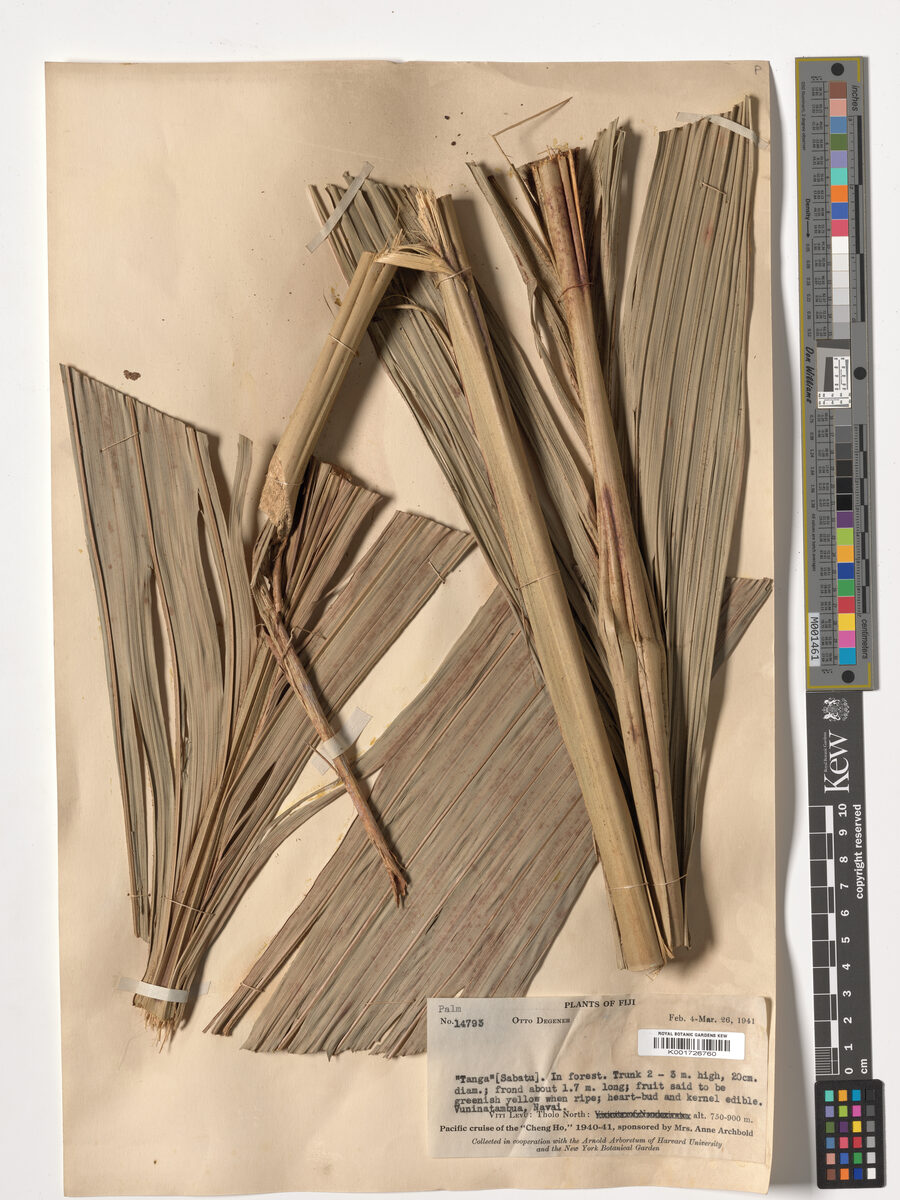
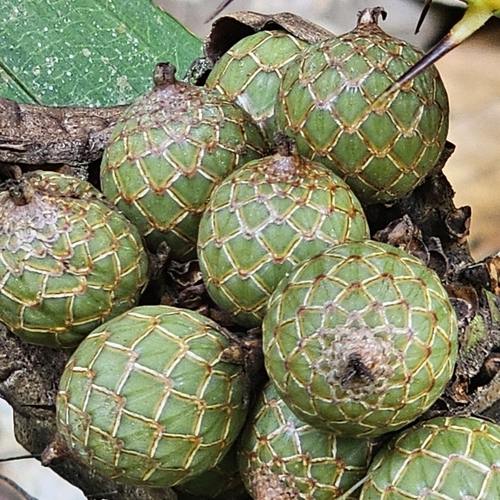
Chamaedorea costaricana
Oerst.
Bamboo palm
iNaturalist· cc-by
(c) Liliana Ramírez-Freire, some rights reserved (CC BY), uploaded by Liliana Ramírez-Freire
iNaturalist· cc-by-nc
(c) sandra_perez, some rights reserved (CC BY-NC)
iNaturalist· cc-by-nc
(c) anaisabel28, some rights reserved (CC BY-NC)
Summary
Source: WikipediaChamaedorea costaricana is a species of palm in the genus Chamaedorea, found in Central America. A common local name in Costa Rica is pacaya, though this is also used as a name for Chamaedorea tepejilote.
Description
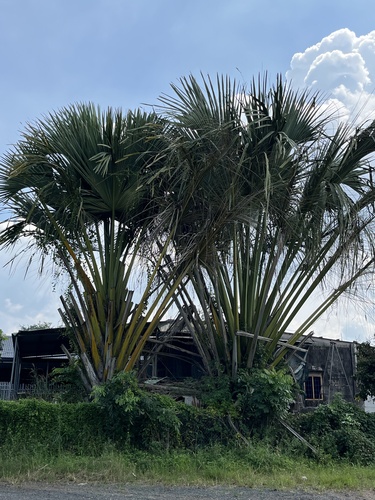
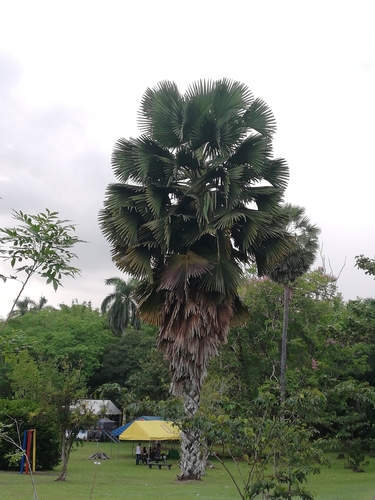
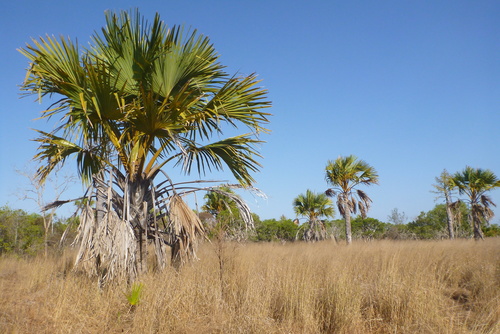
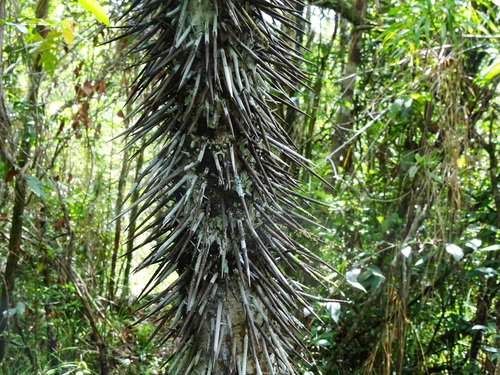
An evergreen palm. It grows 3-8 m tall. It grows as a clump of stems. The stems can be 1-6 cm across. The crown has 3-6 large leaves. Male and female flowers are on separate plants.
Edible Uses
The young flowering shoots are eaten raw in salads, boiled and eaten as a vegetable, or added to soups.
Traditional Uses
The young flowering shoots are eaten raw in salads and also boiled and eaten or added to soups.
This uses section is brief — help expand it
Distribution
It is a tropical plant. It grows in dense, damp mixed forest. It grows in mountains between 1,200-1,400 m above sea level. It can grow at lower and higher elevations. It can tolerate cold. Young plants are best in light shade. They need moist, well-drained soils.
Where It Grows
Central America, Costa Rica, Ecuador, El Salvador, Guatemala, Mexico, Nicaragua, North America, Panama, South America,
Cultivation
Plants can be grown from fresh seeds. They may take 6 months to germinate.
Propagation
Seed - sown fresh, it germinates irregularly over a period of about 6 months.
Synonyms
Also Known As
Pacaya palm
References (2)
- Fern, K., 2012, Tropical Species Database http://theferns.info/tropical/
- Kermath, B. M., et al, 2014, Food Plants in the Americas: A survey of the domesticated, cultivated and wild plants used for Human food in North, Central and South America and the Caribbean. On line draft. p 211