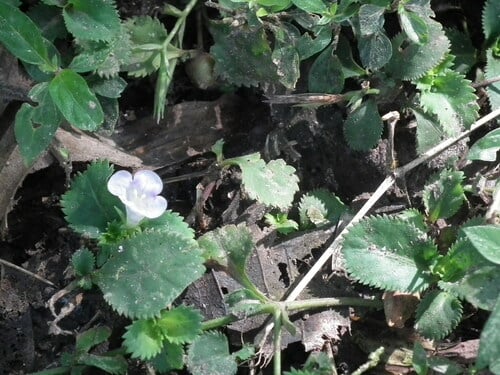
Picria felterrae
Lour.
iNaturalist· cc-by-nc
(c) eec, some rights reserved (CC BY-NC), uploaded by eec
Description
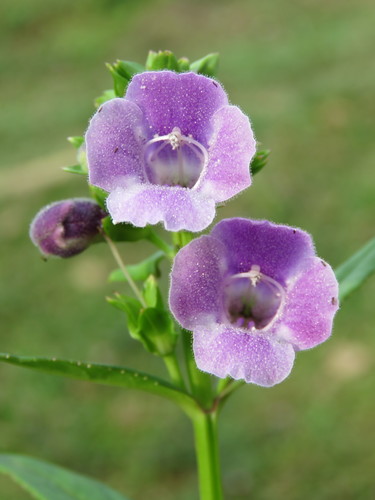
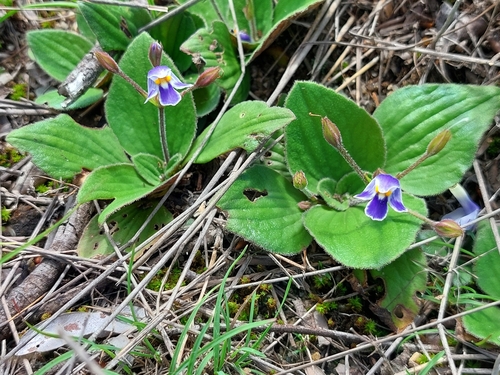
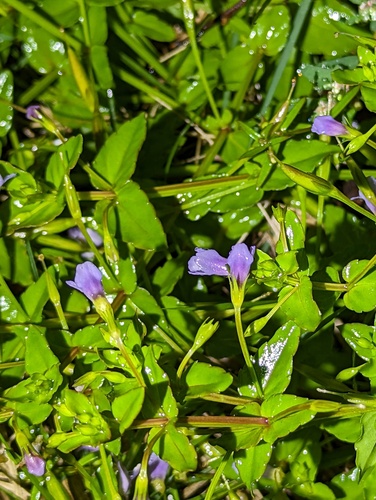
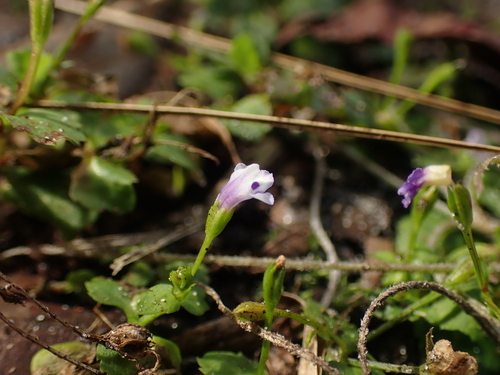
A subtropical herb in the Linderniaceae family (also classified in Scrophulariaceae) that grows to about 1 m tall at elevations of 700–1,400 m. It has oval leaves approximately 5.5 cm long by 3 cm wide.
Edible Uses
The leaves are eaten.
Medicinal Uses
Picria felterrae is widely used medicinally in eastern Asia and some research into its medicinal properties has been carried out. A number of active constituents have been isolated from the plant, including a range of flavonoids, the glycoside curangin and a series of triterpene saponoids. Curangin seems to possess similar properties to digitalin (obtained from Digitalis spp.) and also is a heart-stimulant. It is only slightly poisonous. Some of the triterpene saponins acted as inhibitors on both the classical and alternative pathways of the complement system, with picfeltarraenin II exhibiting the highest inhibitory activity. An ethanol extract of the dried plant showed antibacterial activity against Proteus vulgaris and Staphylococcus aureus and antiviral activity against herpes simplex 1. It also inhibited the classical pathway of the complement system. The fresh leaves are very bitter and are generally considered aperient, appetizer, diuretic, emmenagogue, stimulant to the intestines, stomachic and sudorific. Macerated in alcohol, the leaves are considered to be a tonic. A decoction of the plant is said to improve the appetite and is taken to treat a wide range of complaints, particularly those related to the digestive system such as stomach-ache, colic, nausea and liver complaints. The whole plant is also used for treating amenorrhoea, fever, herpes infections, lumbar pains and tumours. A poultice of the pounded leaves is applied to wounds, itchy skin and other skin diseases. The sap or a decoction of the plant is considered a vermifuge for children. The plant is often used in combination with other herbs. Combined with gotu kola (Centella asiatica) it is used to treat whooping cough and tightness of the chest. Combined with Hedyotis capitellata, it is applied to snakebites.
Distribution
It is a subtropical plant. It grows between 700-1,400 m Above sea level.
Where It Grows
Asia, China, India, Indonesia, Laos, Malaysia, Myanmar, Northeastern India, Philippines, SE Asia, Thailand, Vietnam,
Notes
Also put in the family Scrophulariaceae.
Synonyms
Also Known As
Longle phatho
References (1)
- Teron, R. & Borthakur, S. K., 2016, Edible Medicines: An Exploration of Medicinal Plants in Dietary Practices of Karbi Tribal Population of Assam, Northeast India. In Mondal, N. & Sen, J.(Ed.) Nutrition and Health among tribal populations of India. p 155 (As Curanga amara)