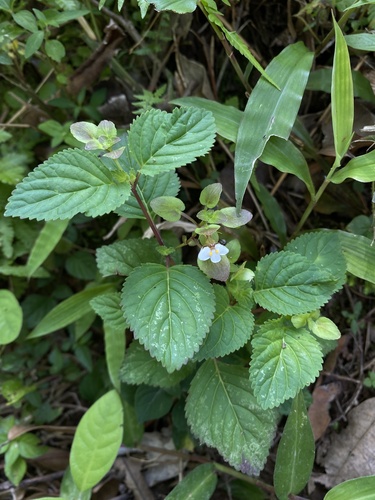
Lindernia crustacea
(L.) F. Muell
iNaturalist· cc-by-nc
(c) gizzardscout, some rights reserved (CC BY-NC)
iNaturalist· cc-by-nc
(c) gizzardscout, some rights reserved (CC BY-NC)
iNaturalist· cc-by-nc
(c) gizzardscout, some rights reserved (CC BY-NC)
Description
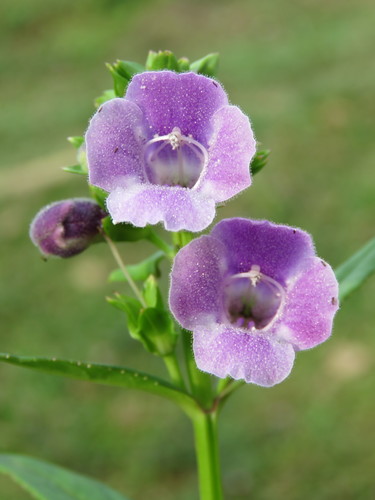
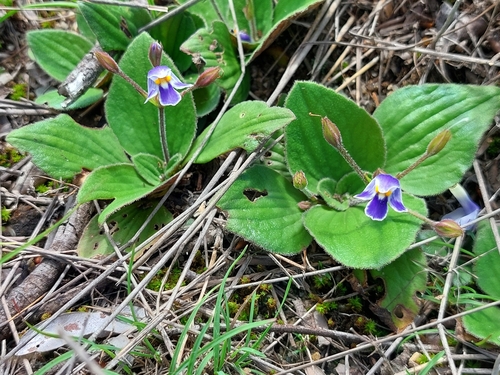
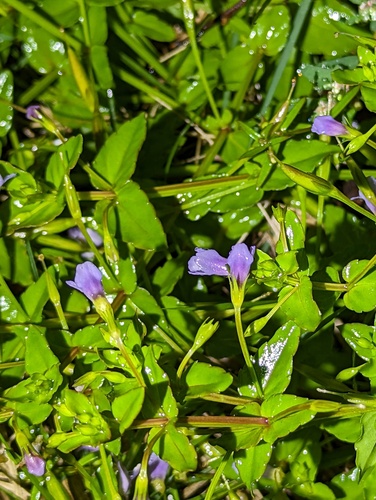
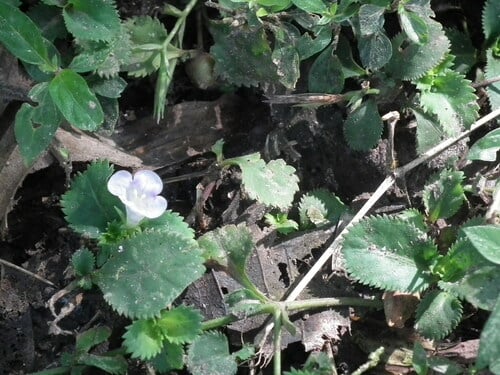
A herb. It grows each year from seed. It grows 10-20 cm tall. The branches are spreading and angular. The leaves are small and oval. They are 1-2 cm long by 1 cm wide They have teeth along the edge. The flowers are purple or blue.
Edible Uses
The leaves are eaten.
Medicinal Uses
The plant is considered to have emetic and cathartic properties. It has given good results in treating bilious disorders, dysentery, amenorrhoea, and hepatitis. The powdered herb, mixed with rice water, is drunk to relieve diarrhoea, vomiting and cholera. A decoction of the leaves is given as a medicine after childbirth. An infusion is used to diminish leakage of albuminuria and to treat leprosy. A decoction is drunk as a tea for its febrifuge effect. The leaf decoction is applied topically to boils and itches, herpes-like sores, and to sores caused by forest ticks. The juice of the aerial parts of the plant, mixed with turmeric (Curcuma longa) and heated with a little water, is applied topically to treat infected fingernails.
Distribution
It is a tropical and subtropical plant. It grows in paddy fields. It grows in low lying pastures and along river banks and in rice fields. In southern China it grows below 1,300 m above sea level. In Sichuan and Yunnan.
Where It Grows
Africa, America, American Samoa, Asia, Australia, Cambodia, China, Guiana, Guianas, Guinea, Guinée, Guinea-Bissau, Guyana, India, Indochina, Korea, Myanmar, SE Asia, South America, Suriname, Taiwan, Thailand, Venezuela, West Africa,
Cultivation
The plant is sometimes a weed of cultivation.
Notes
Also put in the family Scrophulariaceae.
Synonyms
Also Known As
Malaysian false pimpernel, Nilakanjiram, Phak luem phua
References (2)
- Price, L. L., 1997, Wild Plant Food in Agricultural Environments: A Study of Occurrence, management and gathering Rights in Northeast Thailand. Human Organization. 56(2)
- Swapna, M. M. et al, 2011, A review on the medicinal and edible aspects of aquatic and wetland plants of India. J. Med. Plants Res. 5 (33) pp. 7163-7176