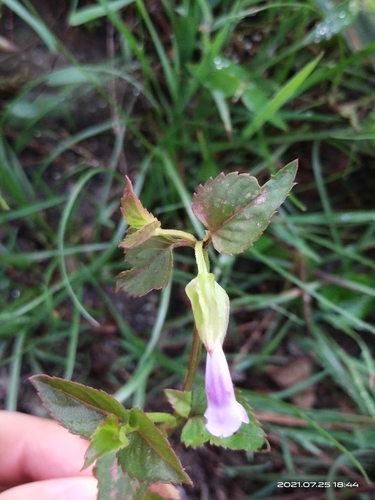
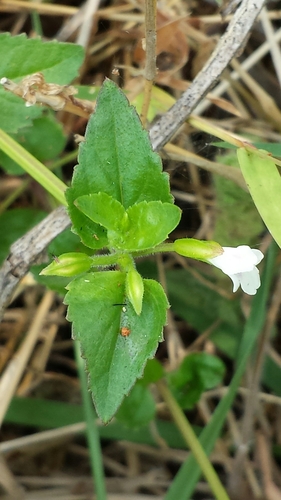
Eremophila mitchellii
Benth.
iNaturalist· cc-by
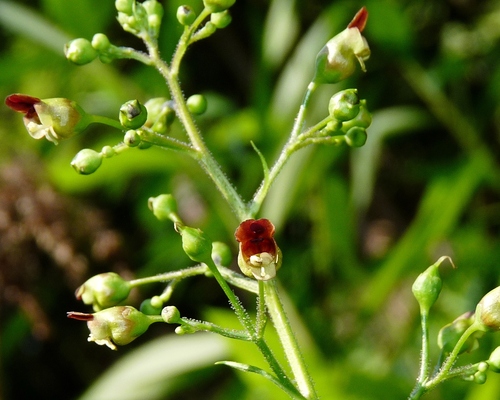
(c) Kym Nicolson, some rights reserved (CC BY), uploaded by Kym Nicolson
iNaturalist· cc-by-nc
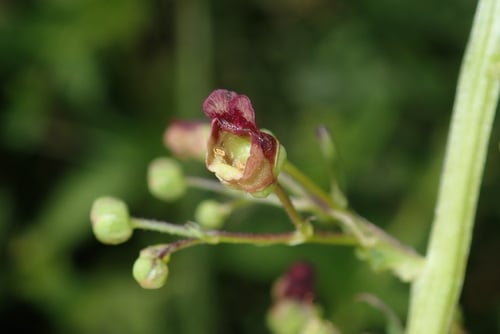
(c) victora_flora, some rights reserved (CC BY-NC)
iNaturalist· cc-by
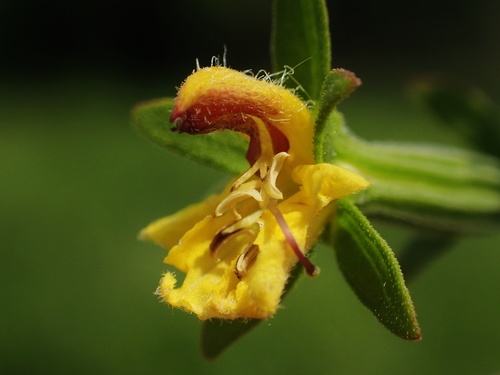
(c) Kym Nicolson, some rights reserved (CC BY), uploaded by Kym Nicolson
Summary
Source: WikipediaEremophila mitchellii, known commonly as false sandalwood and several other names, is a flowering plant in the figwort family, Scrophulariaceae and is endemic to Australia. It is a glabrous large shrub or small tree with flaky bark, white or cream-coloured flowers and is capable of root suckering. It is widespread and common in New South Wales and Queensland where it is a serious pest of grazing land. Essential oils from the plant have been shown to have valuable properties and have been commercially exploited.
Description
A shrub.
This description is brief — help expand it
Edible Uses
Joseph Maiden's 1889 book The Useful Native Plants of Australia records that "The leaves are eaten by stock. The seeds of several species are eaten by emus."
Medicinal Uses
The plant has been used to smoke or steam patients in order to relieve rheumatic pain.
Distribution
It is a warm temperate plant.
Where It Grows
Australia*,
Cultivation
Eremophila mitchellii is native from the warm temperate zone of New South Wales to the most tropics of northern Queensland.
Other Uses
An essential oil is obtained from the wood. A pleasant, sweet odour that lasts well. The wood contains 3% of a dark, viscid oil. The brown, fragrant wood is very hard, durable, termite-resistant and beautifully grained. It is used for cabinet work, veneer, small fancy articles and carving. It is also often used as fencing posts. The wood makes an excellent fuel, producing an incense-like aroma when burnt.
References (1)
- Hunter, J.T., 2017, Is there a relationship between contemporary high Aboriginal plant resource locations and mapped vegetation communities? Cunninghamia 17:27-34. The Royal Botanic Garden Sydney. ISSN 2200 - 405X