Grewia forbesii
Mast.
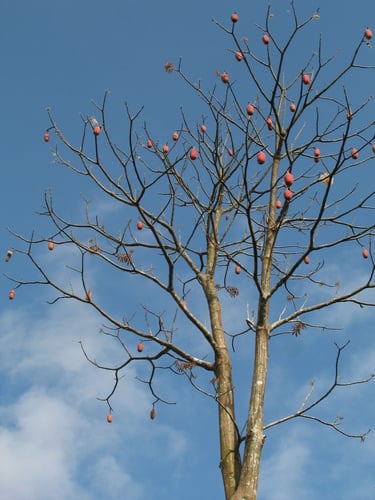
iNaturalist· cc-by-nc
(c) Bart Wursten, some rights reserved (CC BY-NC)
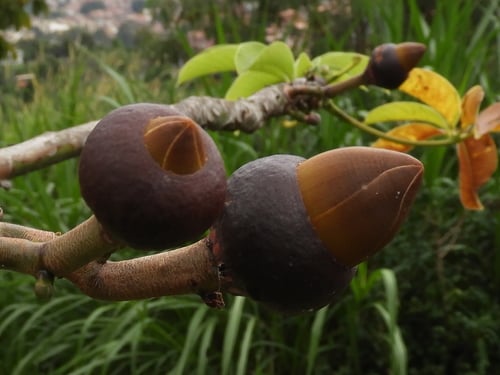
iNaturalist· cc-by-nc
(c) Bart Wursten, some rights reserved (CC BY-NC)
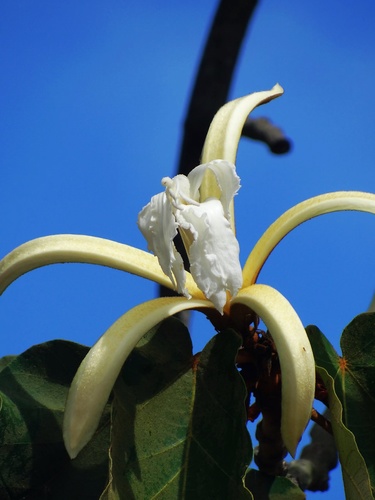
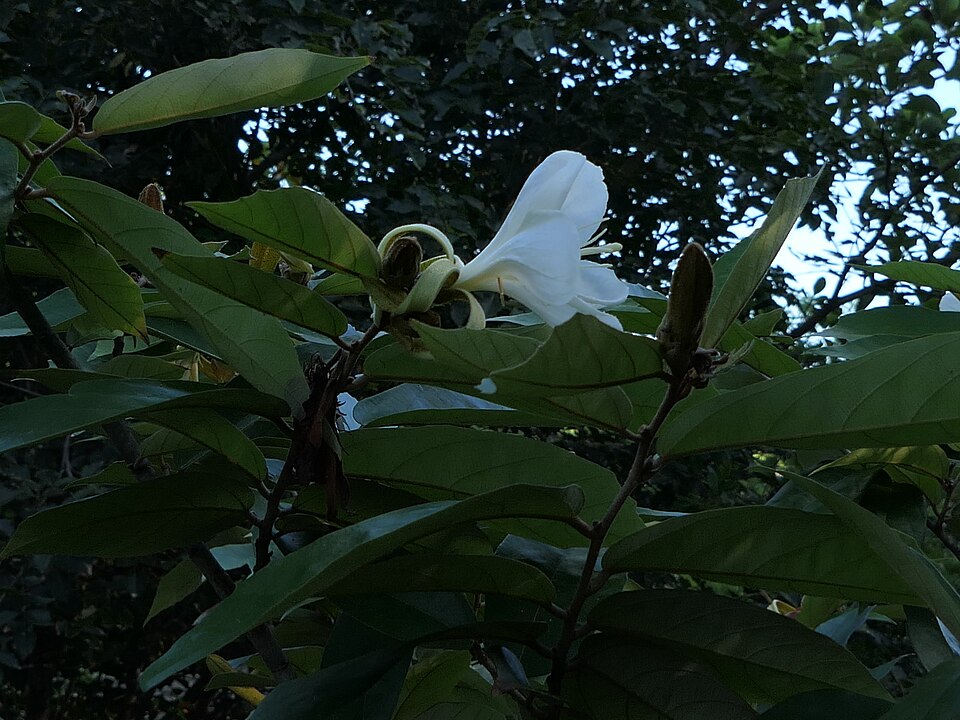
iNaturalist· cc-by-nc
(c) Bart Wursten, some rights reserved (CC BY-NC)
Description
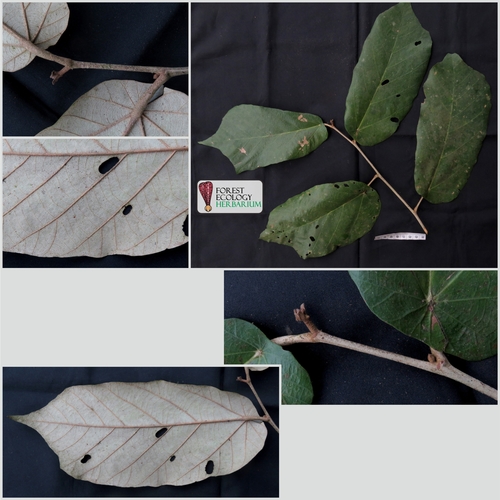
It is an erect shrub or tree. It grows 1-5 m high. The leaves are narrowly oval. They are 4-12 cm long by 3-7 cm wide. They are rough like sandpaper above and softly hairy underneath. The flowers are yellow or orange. They are 13-20 mm long. The fruit is warty. They are 12-16 mm long. They can have 4 lobes.
Edible Uses
The fruit are eaten raw, though they are only occasionally consumed.
Traditional Uses
The fruit are eaten raw.
This uses section is brief — help expand it
Distribution
It is a tropical plant. It grows in sandy and rocky soils. It grows between sea level and 1,250 m above sea level. It can grow in arid places.
Where It Grows
Africa, East Africa, Ethiopia, Kenya, Malawi, Mozambique, Somalia, Tanzania,
Other Information
The fruit are occasionally eaten.
Notes
These were in the Sparrmanniaceae and the Tiliaceae.
Also Known As
Buhudo, Mbavumbavu, Mbubudu, Mkongodeko, Mutalenda, Necuta
References (9)
- Edwards. S., et al, (Eds), 1995, Flora of Ethiopia and Eritrea. Vol.2, Part 2 Canellaceae to Euphorbiaceae. Uppsala, Sweden. p 162
- Kakeya 1976,
- Maundu, P. et al, 1999, Traditional Food Plants of Kenya. National Museum of Kenya. 288p
- Msuya, T. S., et al, 2010, Availability, Preference and Consumption of Indigenous Foods in the Eastern Arc Mountains, Tanzania, Ecology of Food and Nutrition, 49:3, 208-227
- Mutie, F. G., 2020, Conservation of Wild Food Plants and Their Potential for Combatting Food Insecurity in Kenya as Exemplified by the Drylands of Kitui County. Plants 2020, 9, 1017
Show all 9 references Hide references
- Mutie, F. M., et al, 2023, Important Medicinal and Food Taxa (Orders and Families) in Kenya, Based on Three Quantitative Approaches. Plants 2023, 12, 1145
- Peters, C. R., O'Brien, E. M., and Drummond, R.B., 1992, Edible Wild plants of Sub-saharan Africa. Kew. p 192
- Royal Botanic Gardens, Kew (1999). Survey of Economic Plants for Arid and Semi-Arid Lands (SEPASAL) database. Published on the Internet; http://www.rbgkew.org.uk/ceb/sepasal/internet [Accessed 11th June 2011]
- World Checklist of Useful Plant Species 2020. Royal Botanic Gardens, Kew