Dalbergia lanceolaria subsp. paniculata
(Roxb.) Thoth.
iNaturalist· cc-by-sa
(c) Dinesh Valke, some rights reserved (CC BY-SA)
iNaturalist· cc-by-sa
(c) Dinesh Valke, some rights reserved (CC BY-SA)
iNaturalist· cc-by-nc
(c) Radha Veach, some rights reserved (CC BY-NC), uploaded by Radha Veach
Summary
Source: WikipediaDalbergia lanceolaria is a species of tree in the subfamily Faboideae and tribe Dalbergieae. It is a medium-sized tree growing to 20m tall and is native to: India, Sri Lanka, Nepal, Burma and Indo-China. The bark of the tree is traditionally used as an analgesic and anti-diarrhoeal. The apiose isoflavone compound lanceolarin is found in its root bark. Because it produces new stems (ramets), it is recommended for reforestation projects on degraded land where seeds are unlikely to grow successfully.
Description
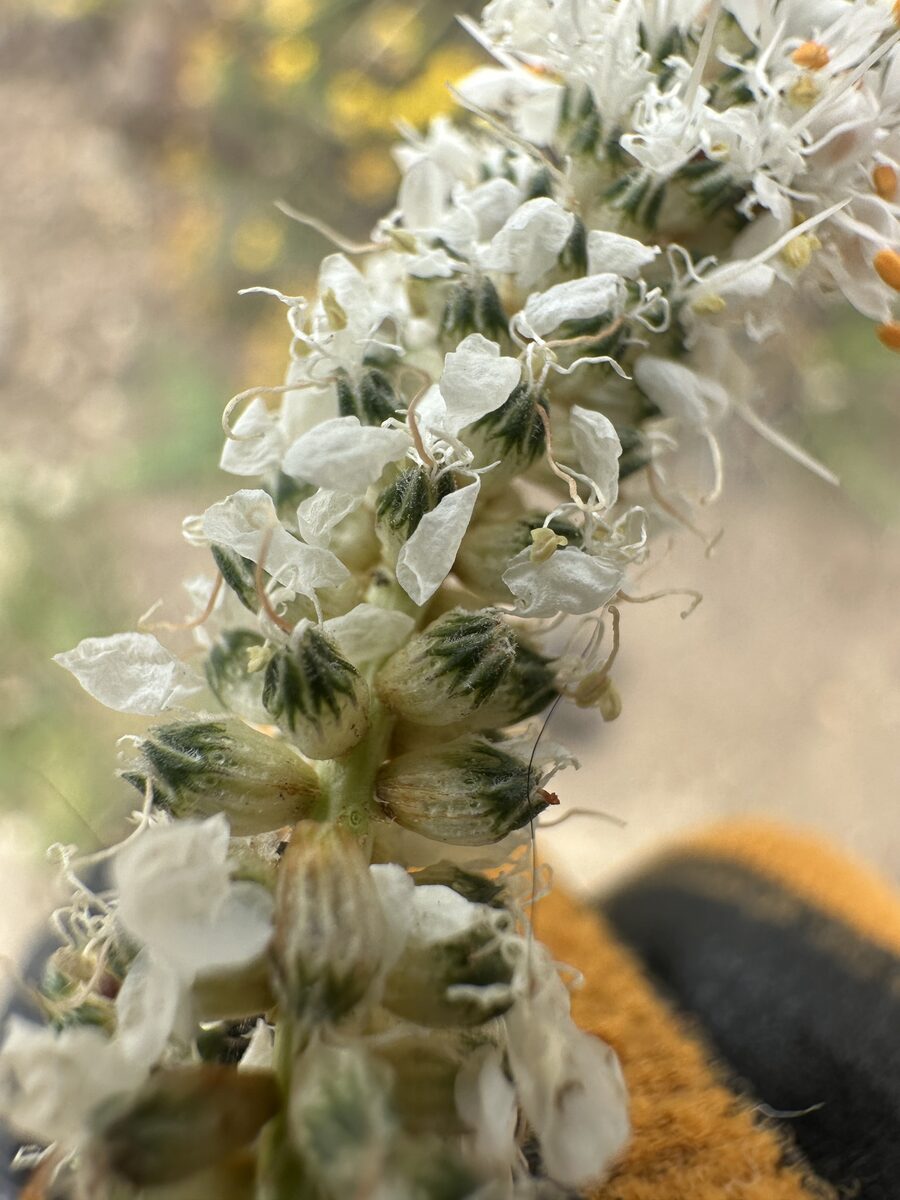
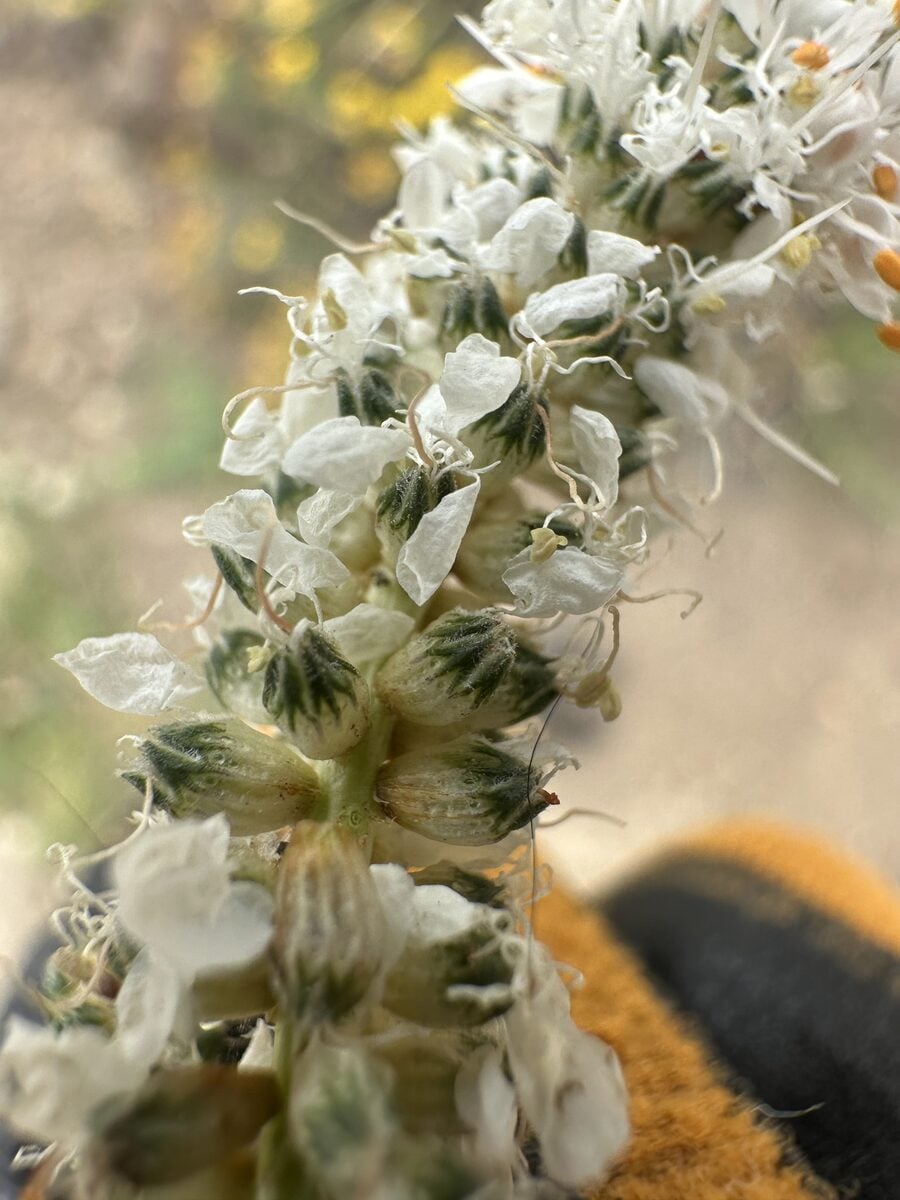
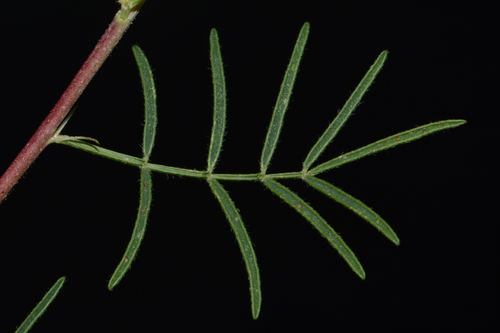
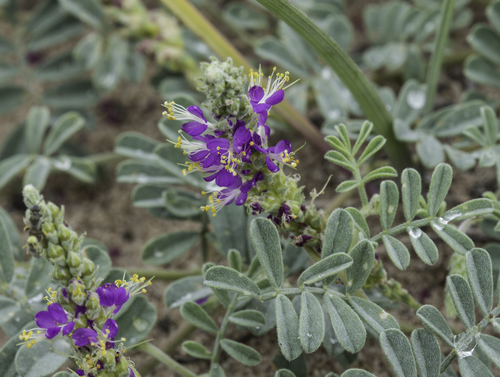
A small tree. It grows 12-15 m tall. It loses its leaves during the year. The leaves have 9-13 leaflets in 5 or 6 pairs. The leaflets are 3-4 cm long by 2.5 cm wide. The flower panicles are in the axils or at the ends of the shoots. They are hairy. The flowers are 1 cm across. The fruit are pods 12 cm long by 7 cm wide. They are sword shaped. There are 1-2 seeds.
Edible Uses
The leaves are eaten.
Medicinal Uses
No medicinal uses documented.
Distribution
It is a tropical plant. It grows in dry and moist deciduous forests. It grows between 500-1,000 m above sea level. It grows on the Deccan in India.
Where It Grows
Asia, Cambodia, Himalayas, India, Indochina, Laos, Myanmar, Nepal, SE Asia, Thailand, Vietnam,
Synonyms
Also Known As
Dobin, Laungle, Painganni, Passi, Poovaraimaram, Snoul, Thit-pagan
References (7)
- Ambasta, S.P. (Ed.), 2000, The Useful Plants of India. CSIR India. p 161 (As Dalbergia paniculata)
- Cengel, D. J. & Dany, C., (Eds), 2016, Integrating Forest Biodiversity Resource Management and Sustainable Community Livelihood Development in the Preah Vihear Protected Forest. International Tropical Timber Organization p 119 (As Dalbergia nigrescens)
- Pl. Coromandel 2:8, t. 114. 1799 (As Dalbergia paniculata)
- Singh, H.B., Arora R.K.,1978, Wild edible Plants of India. Indian Council of Agricultural Research, New Delhi. p 39 (As Dalbergia paniculata)
- Turreira Garcia, N., et al, 2017, Ethnobotanical knowledgeof the Kuy and Khmer people in Prey Lang, Cambodia. Cambodian Journal of Natural History 2017 (1): 76-101
Show all 7 references Hide references
- WATT, (As Dalbergia paniculata)
- Yadav, D. K., 2011, Study on Biodiversity and Edible Bioresources of Betla National Park, Palamu, Jharkhand (India). The 2011 Las Vegas International Academic Conference.