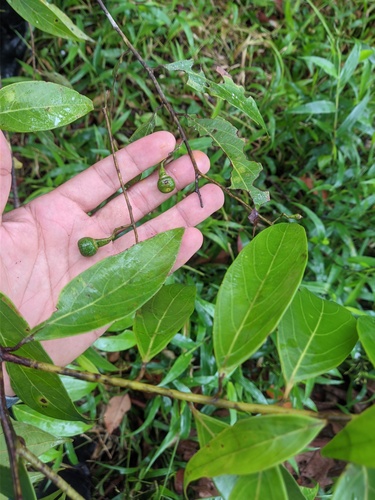
Ocotea odorifera
(Vell.) Rohwer
Brazilian sassafras
iNaturalist· cc-by-nc
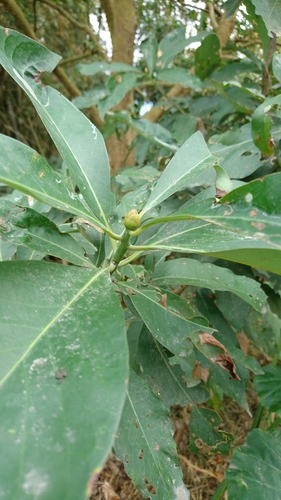
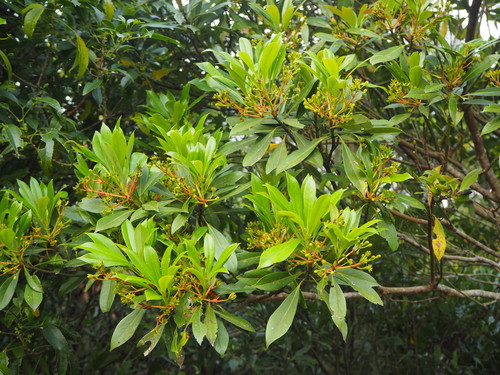
(c) Edgard Lopes, some rights reserved (CC BY-NC), uploaded by Edgard Lopes
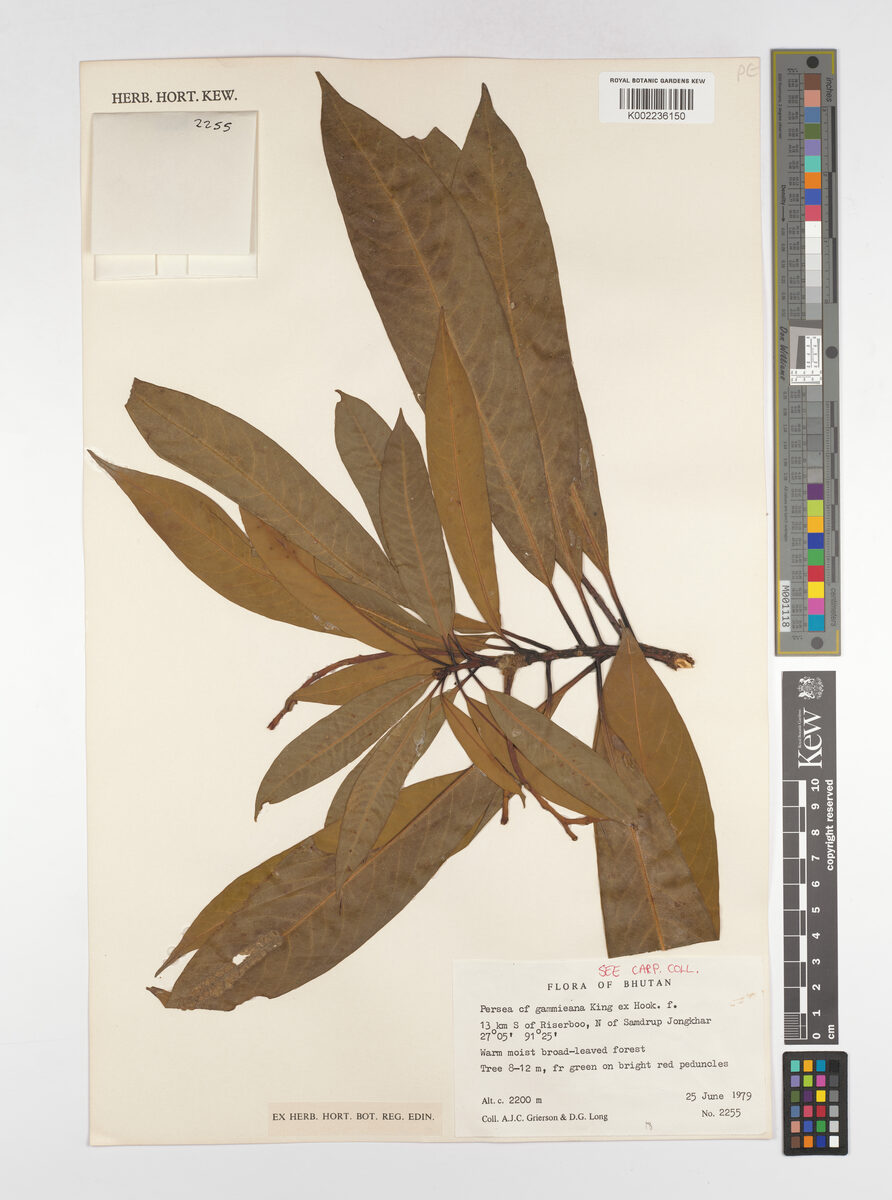
iNaturalist· pd
Daderot, no known copyright restrictions (public domain)
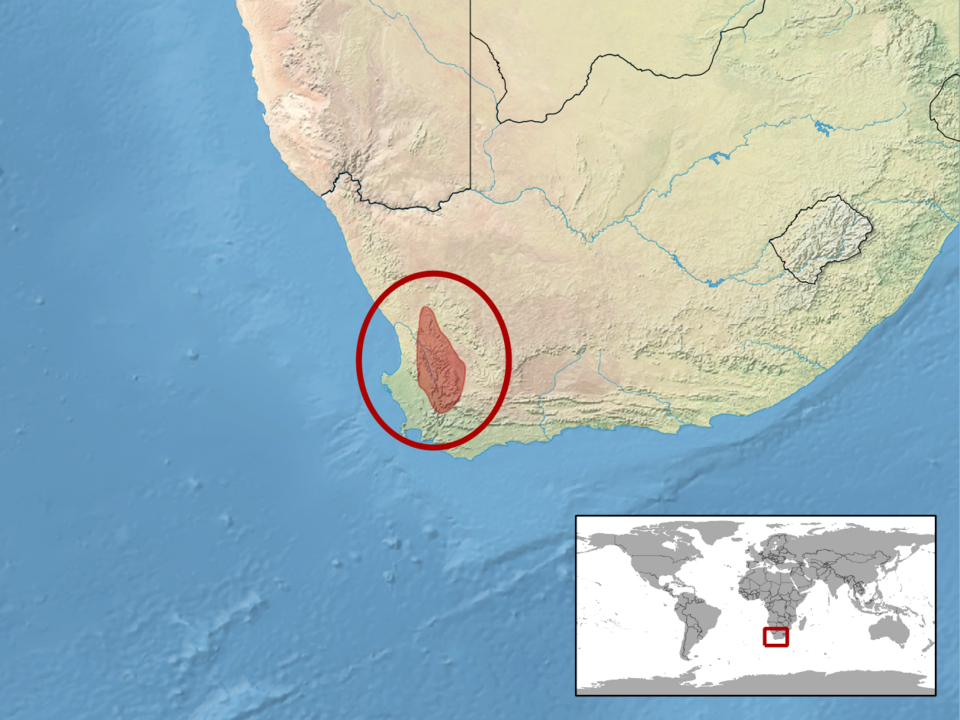
iNaturalist· pd
Daderot, no known copyright restrictions (public domain)
Summary
Source: WikipediaOcotea odorifera is a species of plant in the family Lauraceae. It is an evergreen tree in the genus Ocotea. It is commonly known as Brazilian sassafras or American cinnamon; though it is not a true sassafras nor a true cinnamon, these plants are close relatives. In trade, the junior synonym Ocotea pretiosa is often used, and there is considerable confusion between the present taxon and Ocotea cymbarum.
Description
Ocotea odorifera, commonly known as Brazilian sassafras, is a tropical tree in the family Lauraceae. The bark is used as a spice.
This description is brief — help expand it
Edible Uses
The bark is used as a spice.
Distribution
It is a tropical plant.
Where It Grows
Brazil, South America,
Cultivation
Grows best in a sunny position. Grows best in a well-drained soil and is tolerant of poor, shallow soils. Established plants are drought tolerant.
Propagation
Seed - it has a short viability and so is best sown as soon as it is ripe in a partially shaded position in a nursery seedbed or in individual containers. A low germination rate can be expected, with the seed sprouting within 30 - 50 days.
Other Uses
The wood is moderately heavy, of low durability especially when in contact with the soil. This report describes the wood as being soft and also as being moderately hard. The wood is strongly scented of safrol essential oil. It can be used for making furniture, boxes, packing, panels and in construction for purposes such as laths, shingles, rafters, baseboard, frames etc.
Synonyms
References (2)
- Kermath, B. M., et al, 2014, Food Plants in the Americas: A survey of the domesticated, cultivated and wild plants used for Human food in North, Central and South America and the Caribbean. On line draft. p 576
- Oliviera V. B., et al, 2012, Native foods from Brazilian biodiversity as a source of bioactive compounds. Food Research International 48 (2012) 170-179