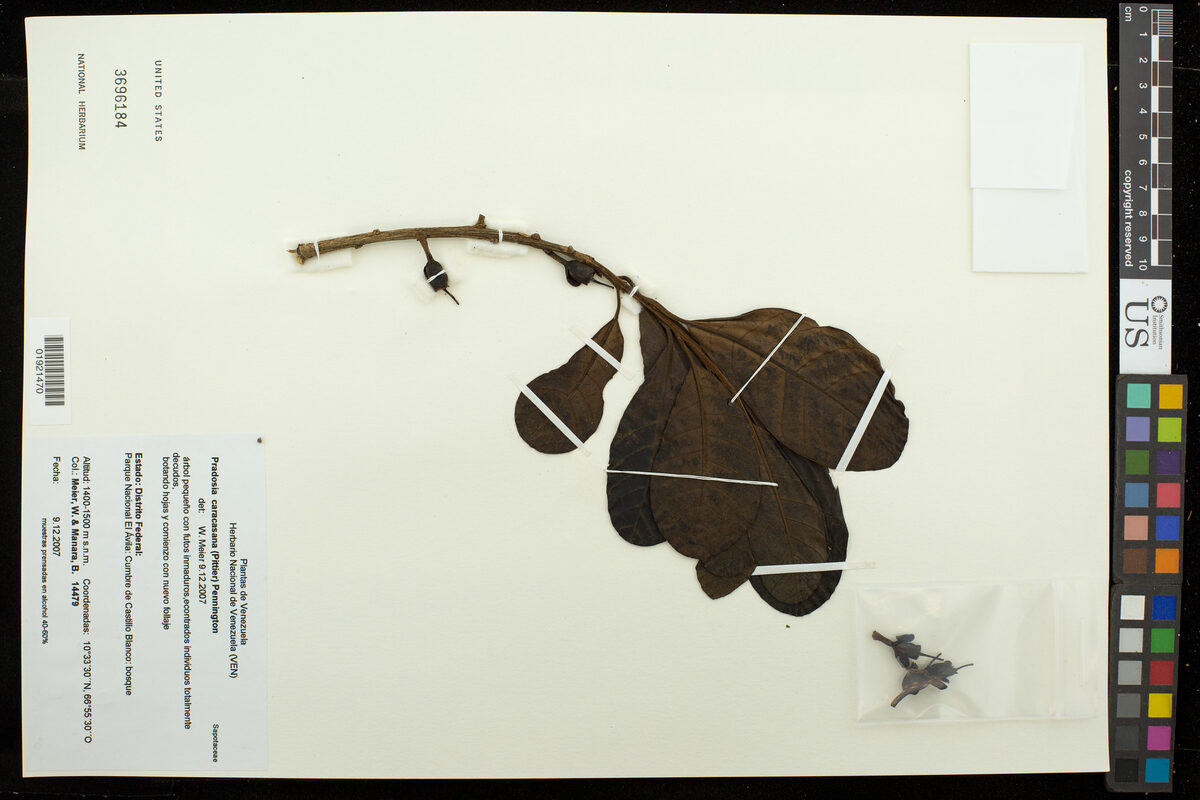
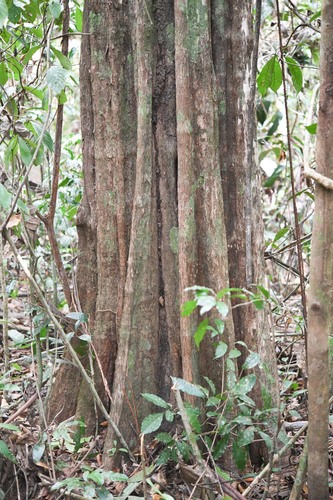
Pouteria sagotiana
(Baill.) Eyma
Sagot pouteria
wikimedia· cc-by-sa
Wikimedia Commons (via Wikimedia Commons)
gbif· cc-by-nc
Field Museum of Natural History - Botany Department | GDI 2013-2015
gbif· cc-by-nc
Rapid Reference Collection (RRC) | Field Museum of Natural History - Keller Science Action Center
Summary
Source: WikipediaPouteria sagotiana is a species of plant in the family Sapotaceae. It is found in Brazil, French Guiana, Guyana, and Suriname.
Description
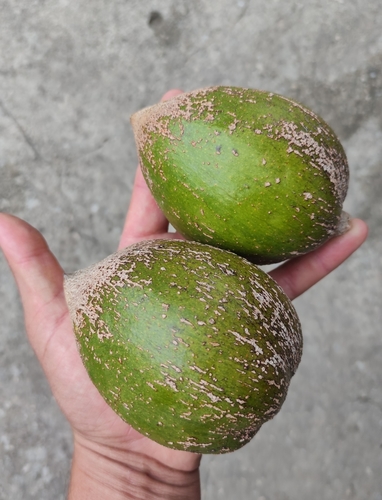
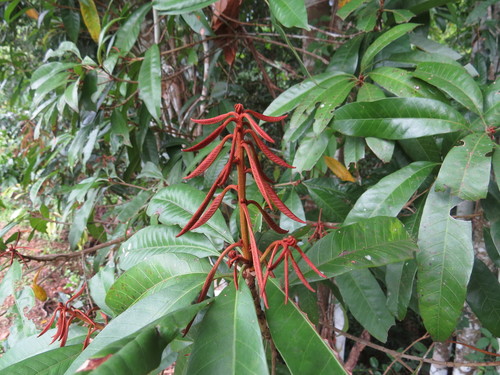
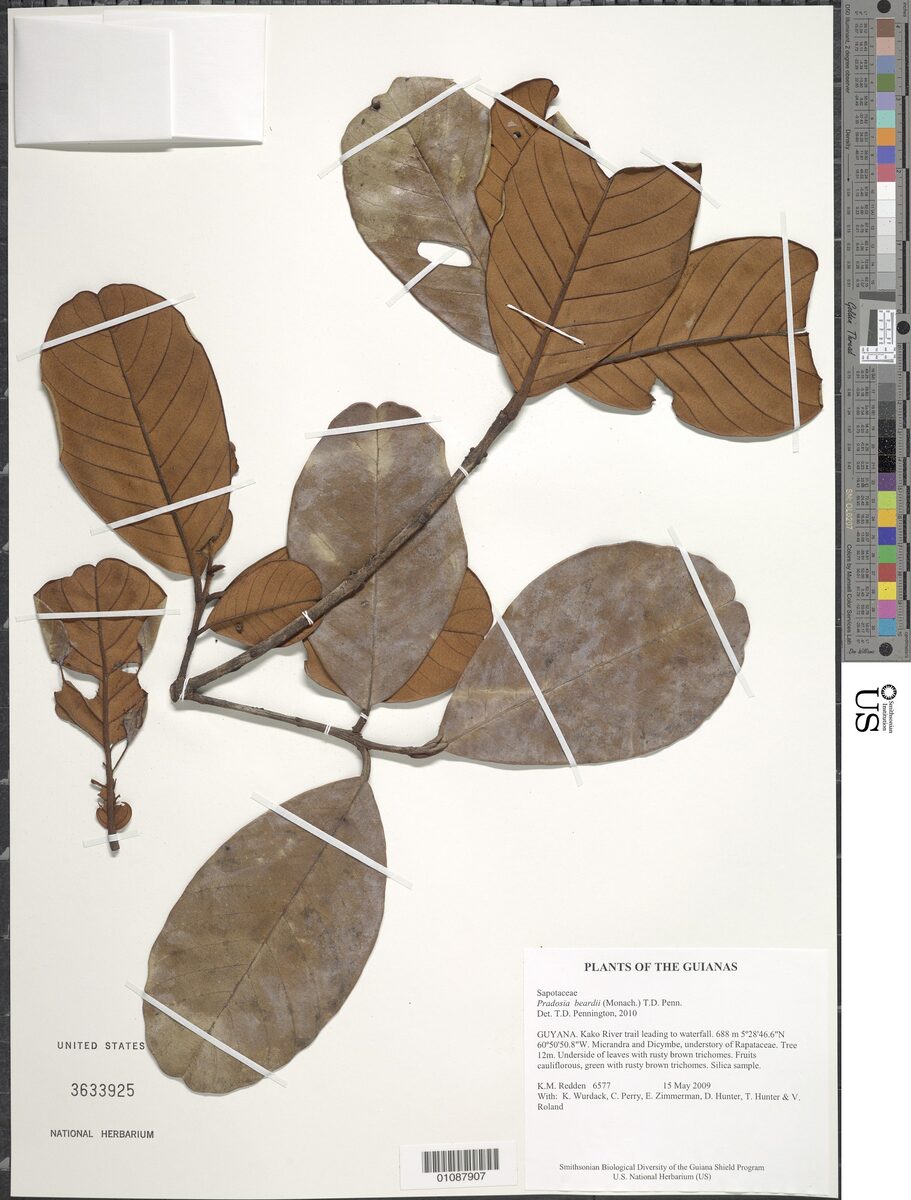
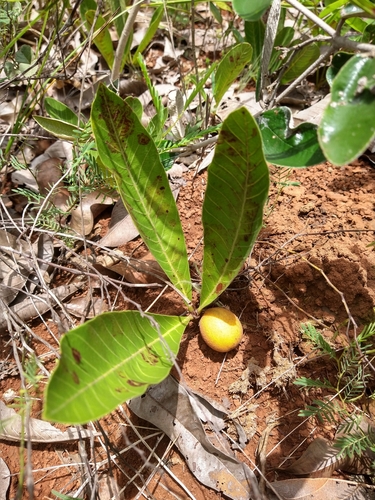
A tree. It grows 12 m tall. The trunk is 10 cm across. There are 5-20 flowers in a group. The fruit are oval and 2 cm long by 1.4 cm wide. They are violet to black when ripe. There is 1 seed.
Edible Uses
The fruit is eaten.
Medicinal Uses
The inner bark is scraped, warmed and used as a medicament for sores. A decoction of the plant (part unspecified) is used as a wash by the Surinam Tirio to treat a condition known as 'wepurukane', which possibly refers to spontaneous abortion.
Distribution
It is a tropical plant. It grows in forests up to 700 m
Where It Grows
Amazon, Brazil, Guianas, Guyana, Peru, South America, Suriname,
Synonyms
Also Known As
Abiurana, Achinadan, Aprahoedoe, Apra-oedoe, Asusuchi, Djoe-bortri
References (2)
- Grandtner, M. M. & Chevrette, J., 2013, Dictionary of Trees, Volume 2: South America: Nomenclature, Taxonomy and Ecology. Academic Press p 529
- Van Roosmalen, M.G.M., & Garcia, O. M., 2000, Fruits of the Amazonian Forest. Part 2: Sapotaceae. Acta Amazonica 30(2): 187-290