Inga sellowiana
Benth.
Sello inga
iNaturalist· cc-by
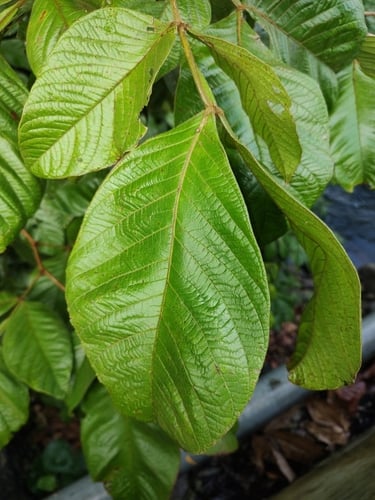
(c) Fabrício Mil Homens Riella, some rights reserved (CC BY), uploaded by Fabrício Mil Homens Riella
iNaturalist· cc-by
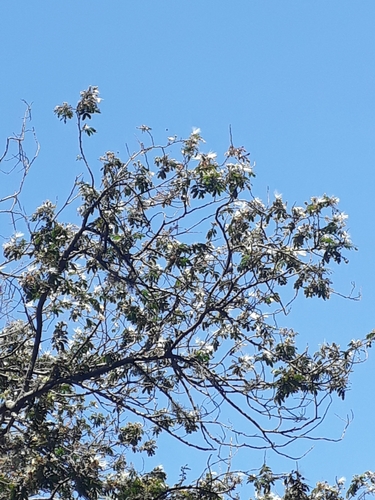
(c) Fabrício Mil Homens Riella, some rights reserved (CC BY)
Summary
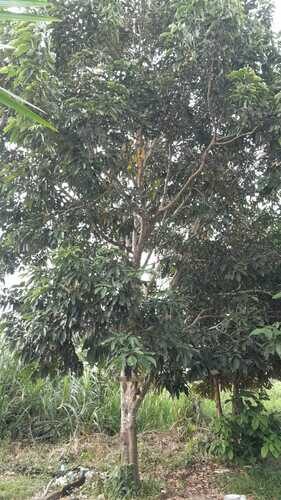
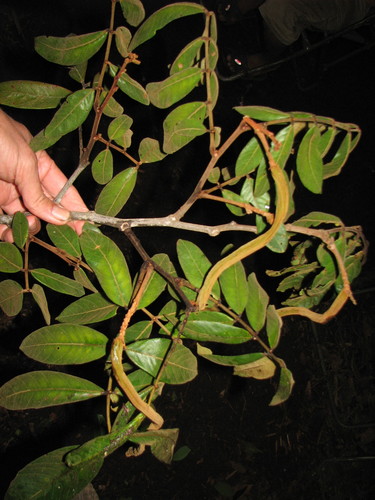
Source: WikipediaInga sellowiana is an endangered species of legume in the family Fabaceae, endemic to Brazil. It is an evergreen, perennial shrub or small tree, 1–8 metres (3.3–26.2 ft) in height. Common names include ingá mirim, ingá ferro, ingá xixica and ingá xixi. It is found only in Brazil, specifically in the Southeast (São Paulo, Rio de Janeiro) and South (Paraná, Santa Catarina) Regions. It has pentamerous white flowers which bloom from November through March, and from May through June.
Description
A tropical tree in the legume family (Fabaceae) with edible fruit.
This description is brief — help expand it
Edible Uses
The fruit is eaten.
Distribution
It is a tropical plant.
Where It Grows
Brazil, South America,
Synonyms
References (1)
- Grandtner, M. M. & Chevrette, J., 2013, Dictionary of Trees, Volume 2: South America: Nomenclature, Taxonomy and Ecology. Academic Press p 325