Parahancornia surrogata
Zarucchi
Vaupes parahancornia
wikimedia· cc-by-sa
Wikimedia Commons - Vojtěch Zavadil
Description
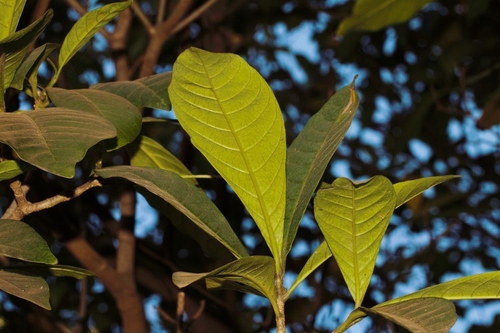
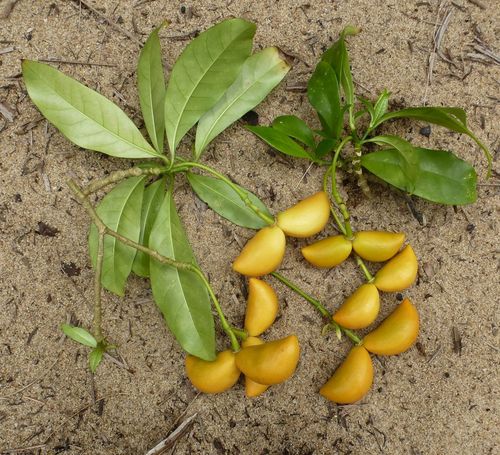
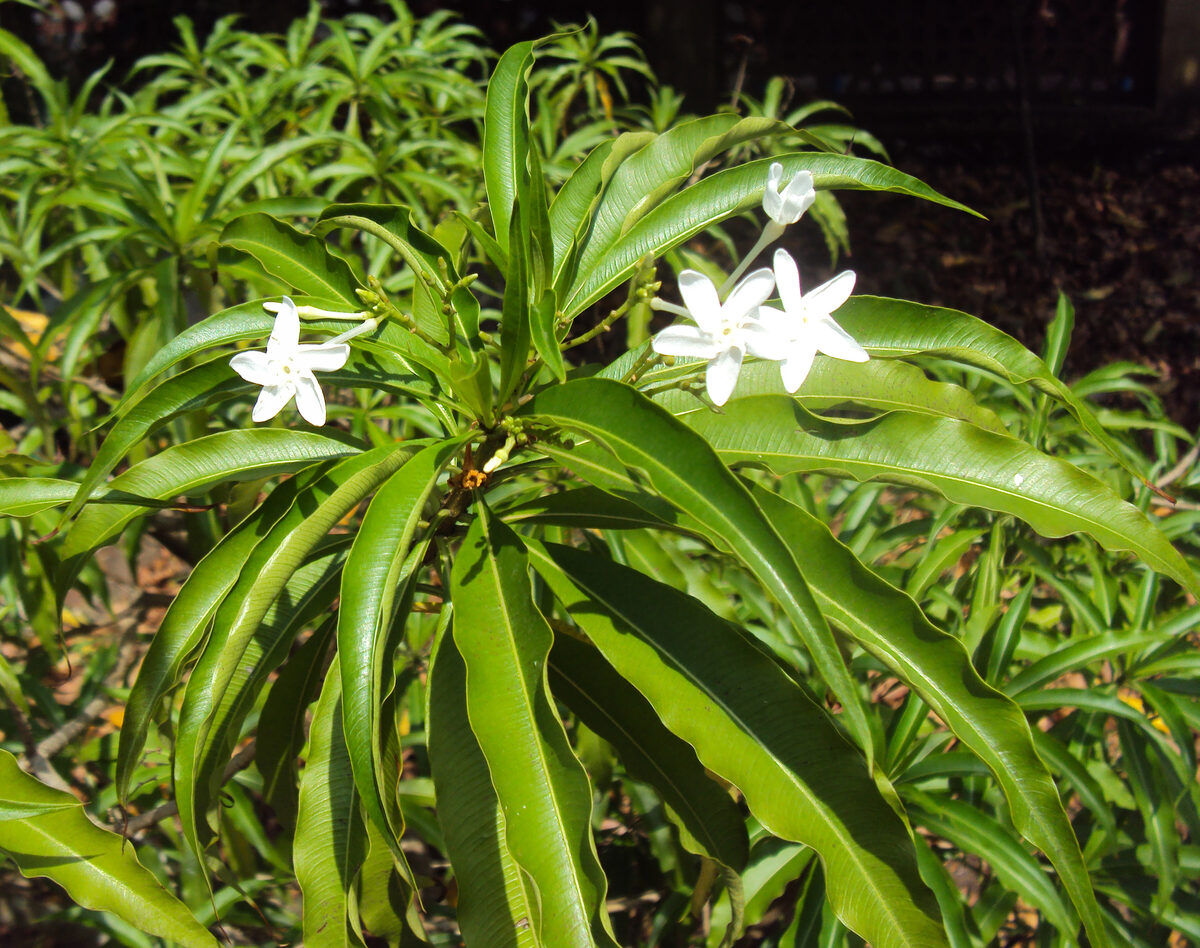
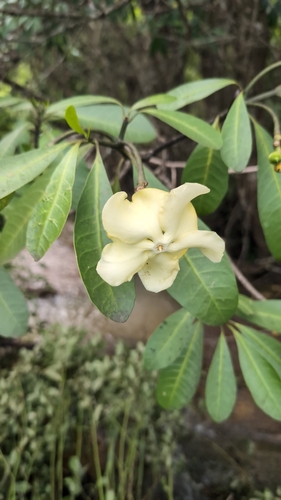
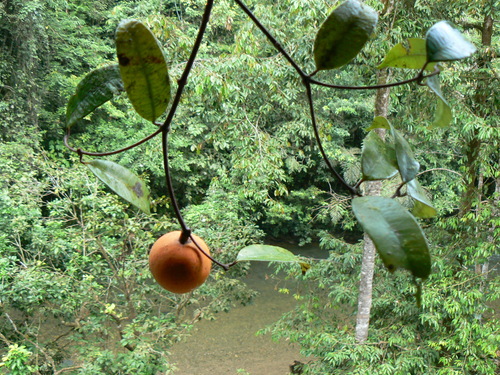
A tropical tree growing 10-20 m tall in the Apocynaceae family, found from sea level to 400 m elevation in sandy soils. It produces black fruit 4-6 cm across.
Edible Uses
Fruit - raw. The pulp surrounding the seeds has a sweet flavour. The fruit is a black, globose berry usually 4 - 6cm in diameter, with some specimens up to 8cm.
Traditional Uses
The fruit are eaten raw.
This uses section is brief — help expand it
Distribution
It is a tropical plant. It grows from sea level to 400 m above sea level. It is usually in sandy soils.
Where It Grows
Amazon, Brazil, Colombia, South America, Venezuela,
Cultivation
Grows in the wild in sandy soils that contain little organic matter.
Other Uses
A white latex exudes from the damaged bark and sapwood. It is moderately thick, sticky and very bitter tasting. The cream-coloured wood is soft and easily cut.
Also Known As
Coumahy, Coumahy-da-caatinga, Di-juwj-wak-so-guh, Juanchoco, Juansoco de la sabana, Juansoquillo, Mi-mi-wako-ka-ki, Na, Pendare, Ran-han, Sorva, Sorva-pepquena
References (5)
- Ferns, Useful Tropical Plants
- Grandtner, M. M. & Chevrette, J., 2013, Dictionary of Trees, Volume 2: South America: Nomenclature, Taxonomy and Ecology. Academic Press p 479
- Kew Plants of the World onLine
- Lopez-Diago, D. & Garcia, N., 2021, Wild edible fruits of Colombia. Biota ColomBiana 22 (2) p 30
- Roa, J. A. G. & Boada, D. S. G., 2018, Fundación para el Fortalecimiento de la Fruticultura y Plantas Alimenticias no Convencionales en Colombia.