Sarcolobus globosus
Wall.
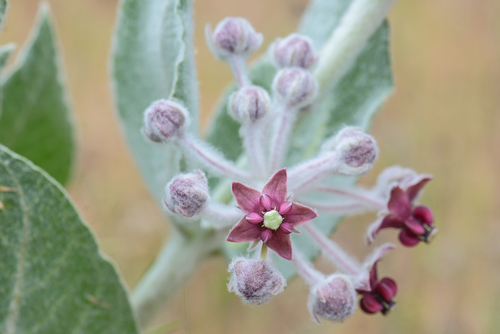
iNaturalist· cc-by-sa
(c) Abu Hamas, some rights reserved (CC BY-SA), uploaded by Abu Hamas
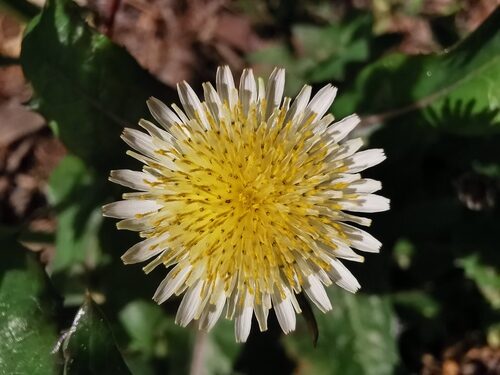
iNaturalist· cc-by-sa
(c) Abu Hamas, some rights reserved (CC BY-SA), uploaded by Abu Hamas
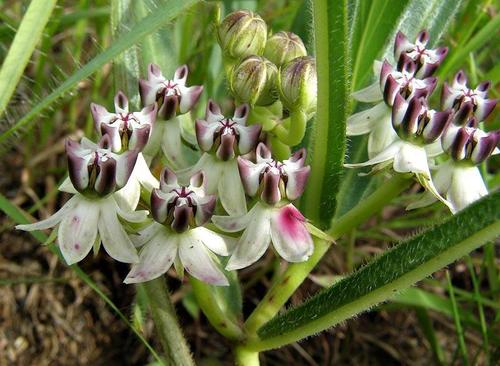
iNaturalist· cc-by-sa
(c) Abu Hamas, some rights reserved (CC BY-SA), uploaded by Abu Hamas
Summary
Source: WikipediaSarcolobus globosus is a twining shrub native to tropical regions of Asia including India, China, Thailand, Malaysia, Myanmar-Burma, the Philippines and Indonesia. In India the plant is found in the mangrove forests of West Bengal, Orissa, Andhra Pradesh, Sundarbans and Andaman and Nicobar Islands. Traditional practices in these regions use the leaves and rhizomes as medicine; and the seeds are poisonous and used as bait to kill dogs and wild animals.
Description
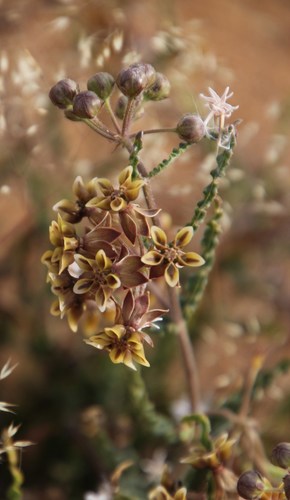
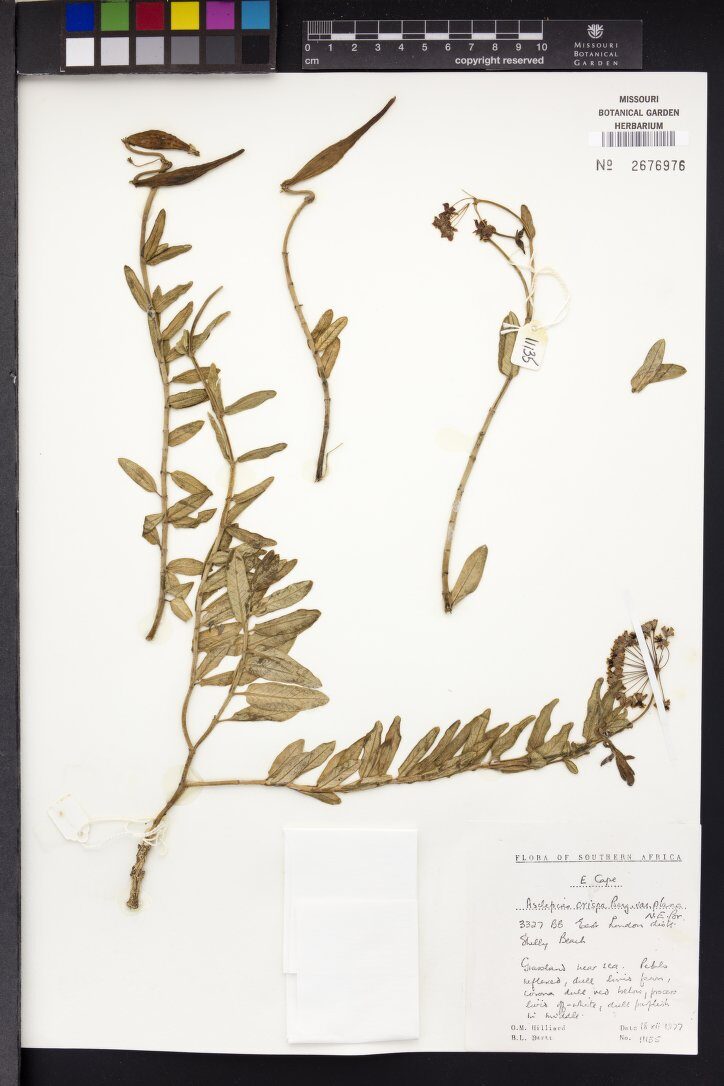
A small climbing shrub. The stem is tough and woody. It has a thick fleshy rootstock. The leaves are simple and opposite. They are 3-6 cm long by 2-5 cm wide. The flowers are small and starry. They are crowded in groups in the axils of leaves. The fruit are brown follicles 4-5 cm across. There are many flattened seeds.
Edible Uses
The fruit are made into jam after green fruit are cut, young seeds removed, pickled to remove latex, washed in salt water for 3 days, then boiled with or without sugar depending on use. The leaves are also eaten with curry.
Traditional Uses
CAUTION: The plant is poisonous without proper treatment. The fruit are made into jam. They are taken green, cut open and the young seeds removed. Then they are pickled to remove the latex and washed and placed in salt water for 3 days. They are then boiled with sugar. They are boiled without sugar if they are to be eaten with curry. The leaves are also eaten with curry.
Known Hazards
S. globosus is listed by the U.S. Food and Drug Administration (FDA) as poisonous plant. The seeds are known to be highly toxic to mammals. Native people of Asia widely use it to kill dogs and wild animals. It was demonstrated that it effectively killed cats, and there are accounts of its use in Java in the 19th century to kill tigers. The plant extract causes inhibition of the neuro-muscular system. The symptoms of poisoning in animals include blood urine and nephrosis.
Distribution
A tropical plant. It grows along the edge of the mangrove swamp.
Where It Grows
Asia, Bangladesh, China, India, Indochina, Indonesia, Laos, Malaysia, Myanmar, Philippines, SE Asia, Singapore, Thailand,
Notes
There are 14 Sarcolobus species. The seeds are used to poison animals.
Nutrition
| Part | Moisture | kJ | kcal | Protein | Vit A | Vit C | Iron | Zinc |
|---|---|---|---|---|---|---|---|---|
| Fruit | 91.3 | — | — | 11.9 | — | 67.3 | — | 32.9 |
Also Known As
Akar pelir kambing, Akar batu pelir kambing, Akar kambing-kambing, Banok, Baoli-lata, Baoli-phal, Buah pitis, Pitis-pitis
References (8)
- Ambasta S.P. (Ed.), 2000, The Useful Plants of India. CSIR India. p 550
- Asiat. Res. 12:568, t. 5. 1816
- BARC, 2016, State of Biodiversity for Food and Agriculture in Bangladesh. Bangladesh Agricultural Research Council.
- Burkill, I.H., 1966, A Dictionary of the Economic Products of the Malay Peninsula. Ministry of Agriculture and Cooperatives, Kuala Lumpur, Malaysia. Vol 2 (I-Z) p 2000
- Hosen, M. Z., et al, 2020, Comparison of Physicochemical and Antioxidant Properties of Edible Fruits in the Sundarbans' Mangrove Forest, Bangladesh. Bangladesh J. Bot. 49(3): 671-678
Show all 8 references Hide references
- Milow, P., et al, 2013, Malaysian species of plants with edible fruits or seeds and their evaluation. International Journal of Fruit Science. 14:1, 1-2
- Pasha, M. K. & Uddin, S. B., 2019, Minor Edible Fruits of Bangladesh. Bangladesh J. Plant Taxon. 26(2): 299–313
- World Checklist of Useful Plant Species 2020. Royal Botanic Gardens, Kew