Sarcostemma acidum
(Roxb.) Voigt
Leafless East Indian vine
iNaturalist· cc-by
(c) Srinivasan Kasinathan, some rights reserved (CC BY)
iNaturalist· cc-by
(c) Srinivasan Kasinathan, some rights reserved (CC BY)
iNaturalist· cc-by
(c) Srinivasan Kasinathan, some rights reserved (CC BY)
Description
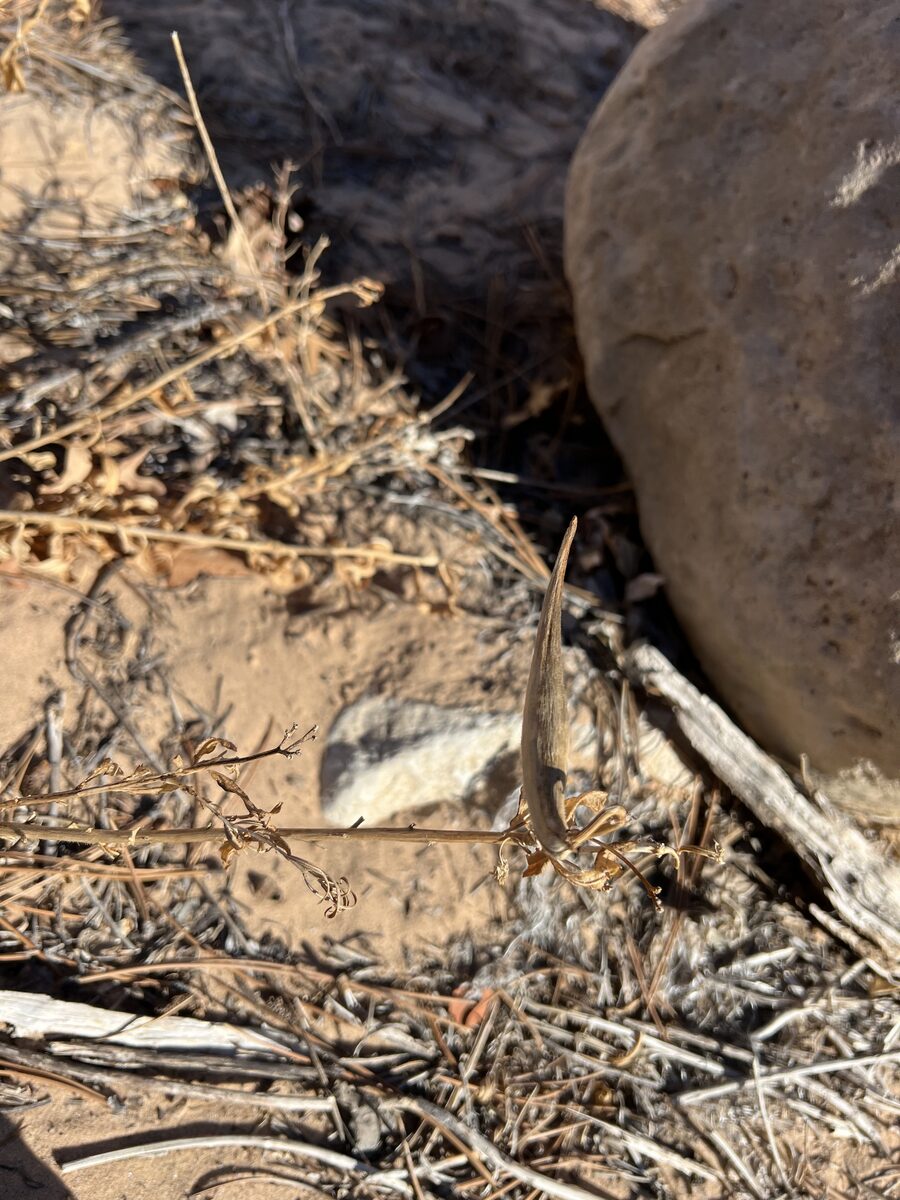
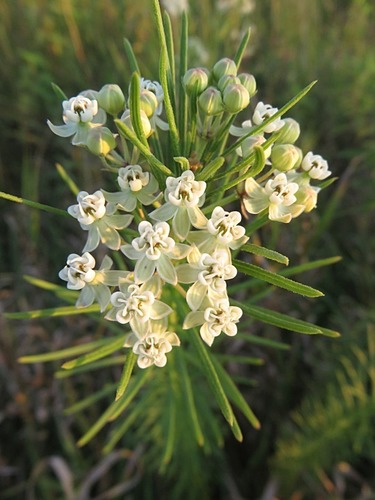
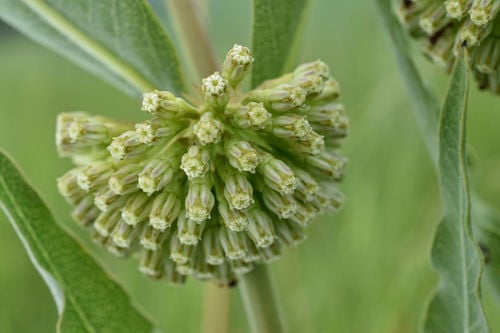
A creeper. The stems are 2 m long. It is leafless. The flowers are in groups of 6-15 near the ends of the branches. They are white or yellowish.
This description is brief — help expand it
Edible Uses
The milky sap is drunk to quench thirst, and the stems are consumed.
Traditional Uses
The milky sap is drunk to quench thirst. Caution:
This uses section is brief — help expand it
Known Hazards
The stem has been shown to reduce fertility in male rats. Caution advised.
Distribution
A tropical plant. It grows in thickets near the seashore. It grows in semi-arid places.
Where It Grows
Asia, China, Himalayas, India, Indochina, Myanmar, Nepal, SE Asia, Thailand, Vietnam,
Notes
There are 60-70 Sarcostemma species. Several Sarcostemma have been changed to Cynanchum. The stem has been shown to reduce fertility in male rats.
Synonyms
Also Known As
Somlata, Thannikkodi
References (2)
- Arinathan, V., et al, 2007, Wild edibles used by Palliyars of the western Ghats, Tamil Nadu. Indian Journal of Traditional Knowledge. 6(1) pp 163-168
- Hedrick, U.P., 1919, (Ed.), Sturtevant's edible plants of the world. p 594 (As Sarcostemma brevistigma)