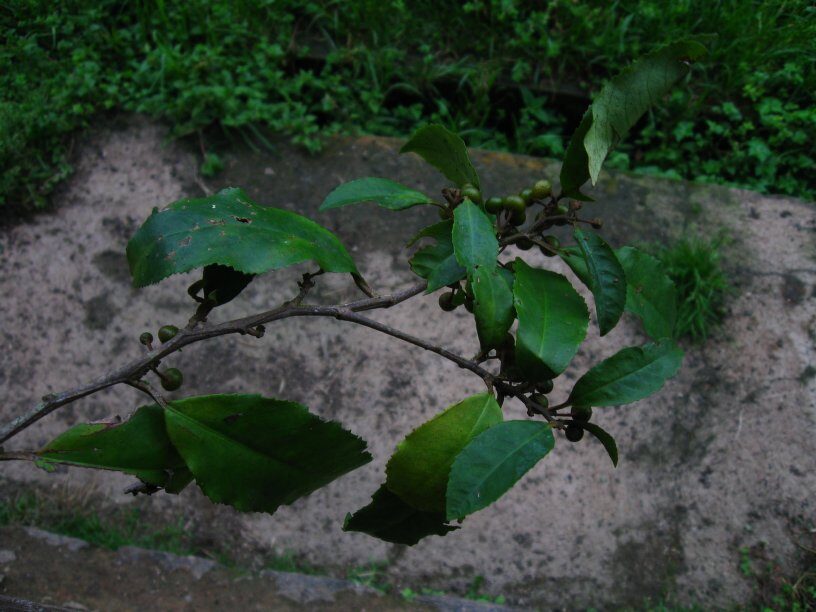
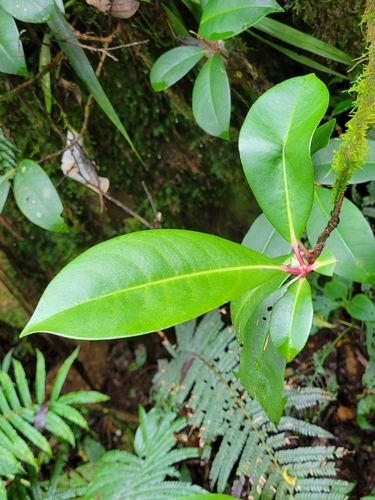
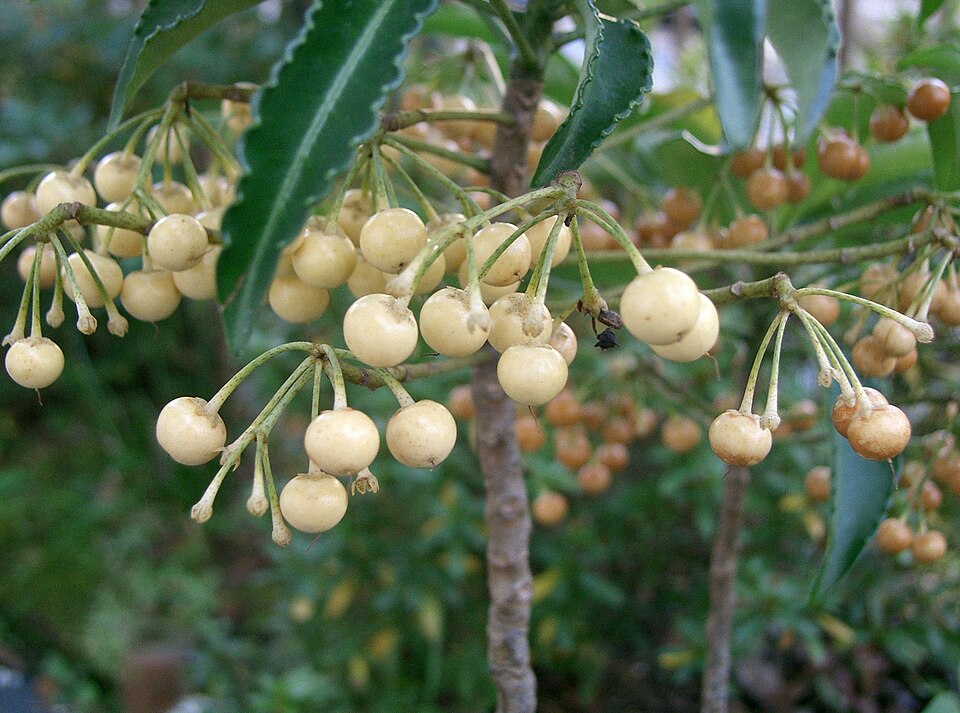
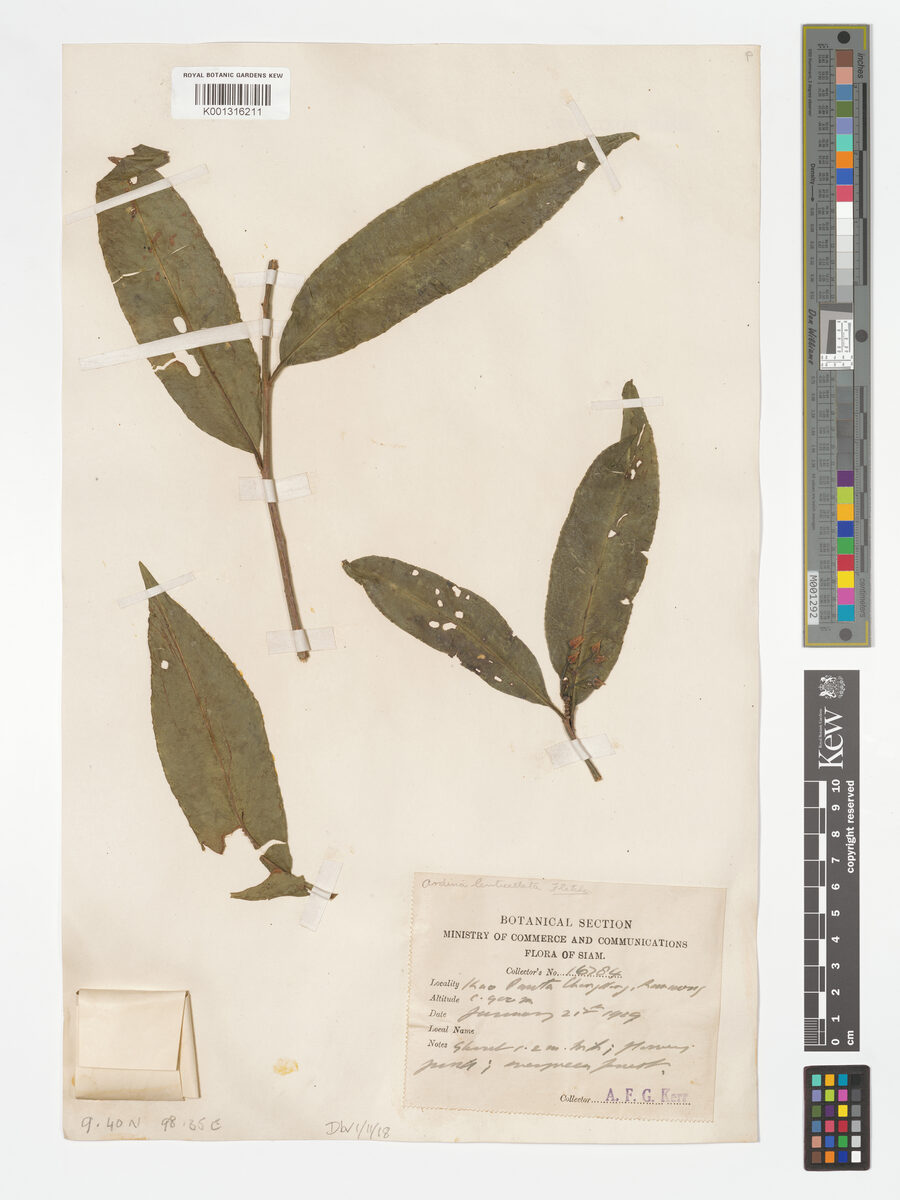
Myrsine gardneriana
A. DC.
iNaturalist· cc-by-nc
(c) Gabriel Völker Lacerda, some rights reserved (CC BY-NC), uploaded by Gabriel Völker Lacerda
wikimedia· cc-by
Wikimedia Commons - João Medeiros
wikimedia· cc-by-sa
Wikimedia Commons - Luizdesouza
Description
A tropical tree in the Primulaceae family producing fruit approximately 35 mm across.
This description is brief — help expand it
Edible Uses
The fruit is eaten.
Distribution
It is a tropical plant.
Where It Grows
Bolivia, Brazil, South America,
Cultivation
Grows best in a sunny position. Prefers a moist soil. A fairly slow-growing plant, usually smaller than 2.5 metres tall after 2 years from seed.
Propagation
Seed - best sown as soon as it is ripe in a partially shaded position in a nursery seedbed. A low germination rate can be expected, with the seed sprouting within 50 - 100 days. When the seedlings are 4 - 5cm tall, pot them up into individual containers and they should be ready to plant out 9 months or more later.
Other Uses
The heartwood and sapwood are not clearly demarcated. The wood is medium-textured, straight-grained, moderately heavy, not very durable when exposed to the elements. It has an irregularly shiny surface. It is used for the manufacture of simple furniture, wall linings, beams, rafters etc. The wood is used to make charcoal.
Synonyms
Also Known As
Capororoca
References (1)
- Peres, M. K., 2011, Diasporos do Cerrado Atrativos para Fauna: Chave Interativa Caracterizacao Visual e Relacoes Ecologicas. Masters thesis. Universidade de Brasilia. (As Rapanea gardneriana)