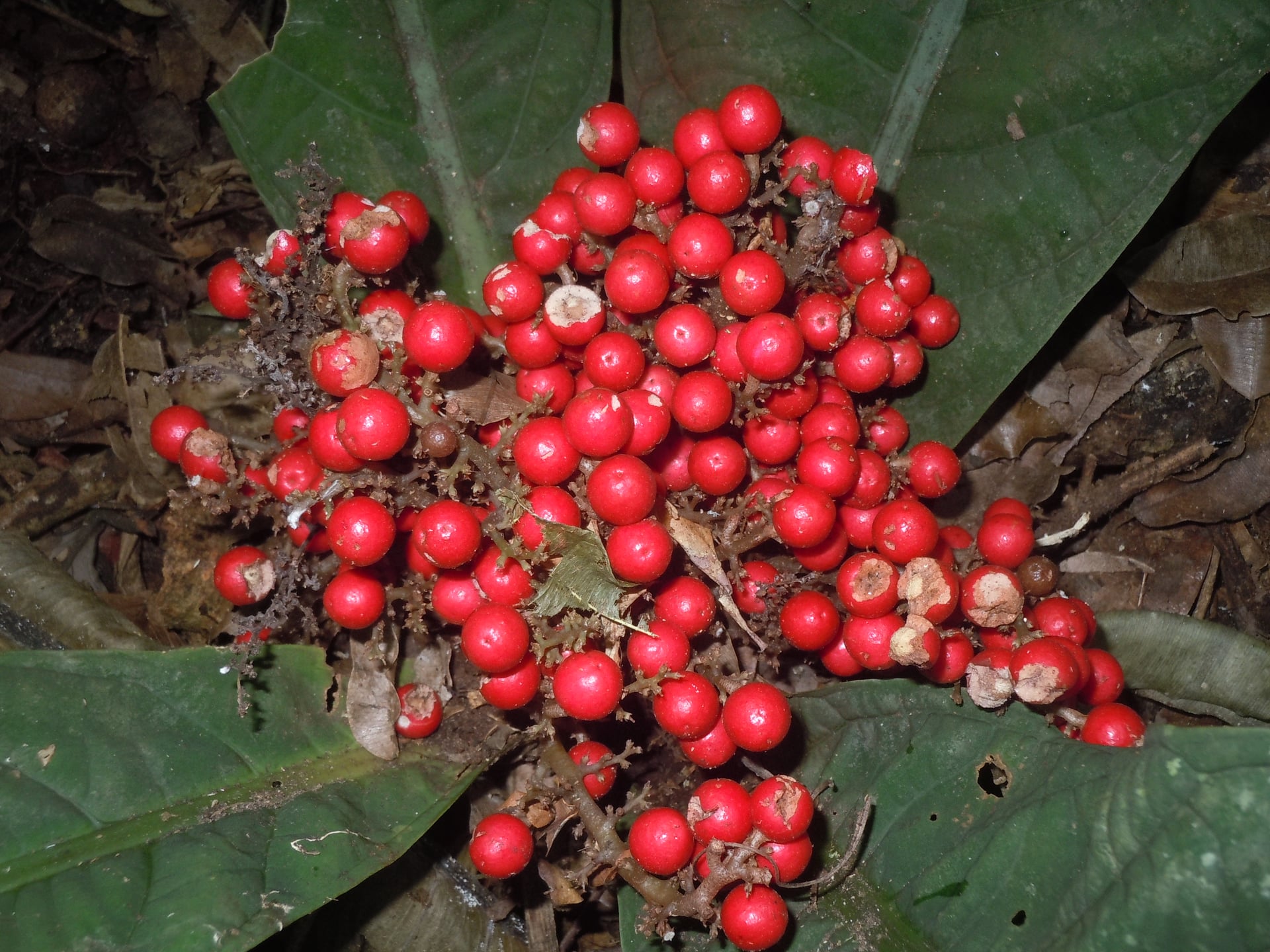
Myrsine capitellata
Wall.
Bakal pate
iNaturalist· cc-by-nc-nd
(c) Ria Tan, some rights reserved (CC BY-NC-ND)
iNaturalist· cc-by-nc
(c) kinley_dorji, some rights reserved (CC BY-NC)
iNaturalist· cc-by-nc
(c) SunGW, some rights reserved (CC BY-NC)
Description
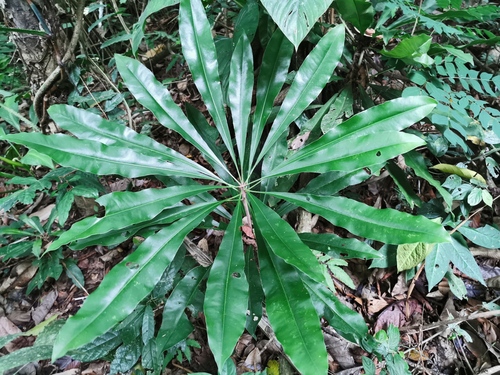
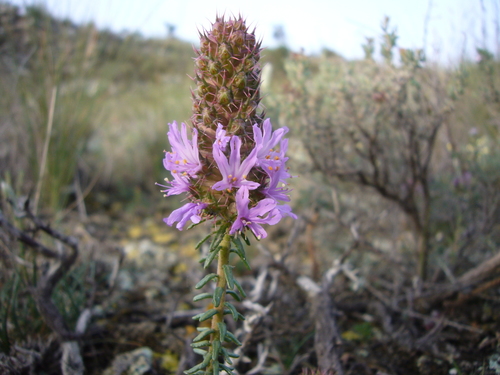
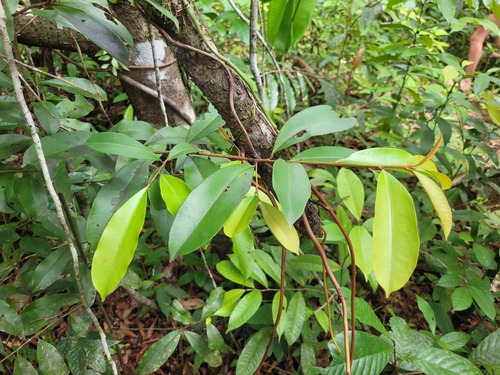
A tree. It grows to 9 m high. The leaves have stalks. They are crowded at the tips of branches. The leaves are 7-13 cm long. They are oval to sword shaped. They are narrowed at both ends. The leaves are leathery. The flowers are white.
Edible Uses
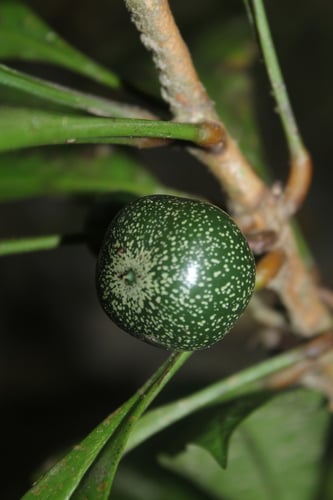
The ripe fruit are eaten.
Traditional Uses
The ripe fruit are eaten.
This uses section is brief — help expand it
Distribution
A tropical plant. It grows in tropical Asia. In Nepal it grows between 900-1800 m altitude.
Where It Grows
Afghanistan, Asia, Bhutan, Himalayas, India, Indochina, Nepal,
Cultivation
Plants are grown from seed.
Notes
There are about 300 Myrsine species. Also put in the family Myrsinaceae.
Synonyms
Also Known As
Seti kath
References (6)
- Ferns, Useful Tropical Plants
- Hedrick, U.P., 1919, (Ed.), Sturtevant's edible plants of the world. p 431
- Joshi, A. R.. and Joshi, J., 2009, Plant Diversity and Ethnobotanical Notes on tree species of Syabru Village, Langtang National Park, Nepal. Ethnobotanical Leaflets 13:651-64
- Manandhar, N.P., 2002, Plants and People of Nepal. Timber Press. Portland, Oregon. p 329
- Roxb. Fl. Ind. Ed. Carey, 2:295. 1824
Show all 6 references Hide references
- Singh, H.B., Arora R.K.,1978, Wild edible Plants of India. Indian Council of Agricultural Research, New Delhi. p 67