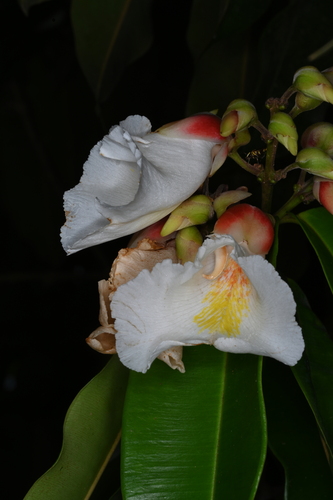
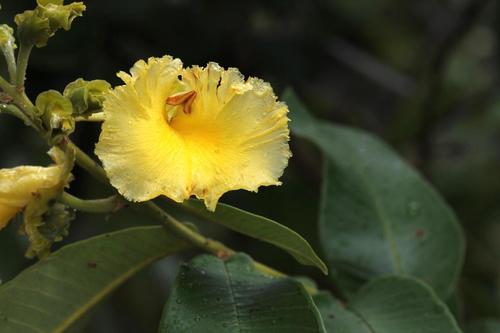
Qualea paraensis
Ducke
Para qualea
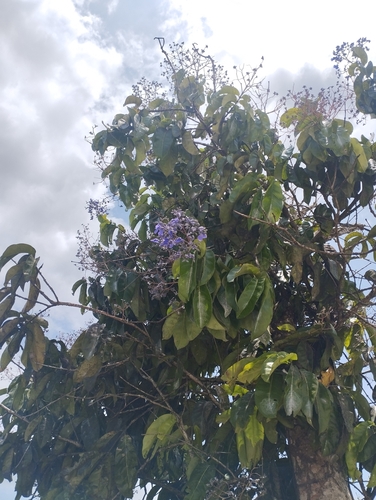
iNaturalist· cc-by-nc
(c) C. E. Timothy Paine, some rights reserved (CC BY-NC)
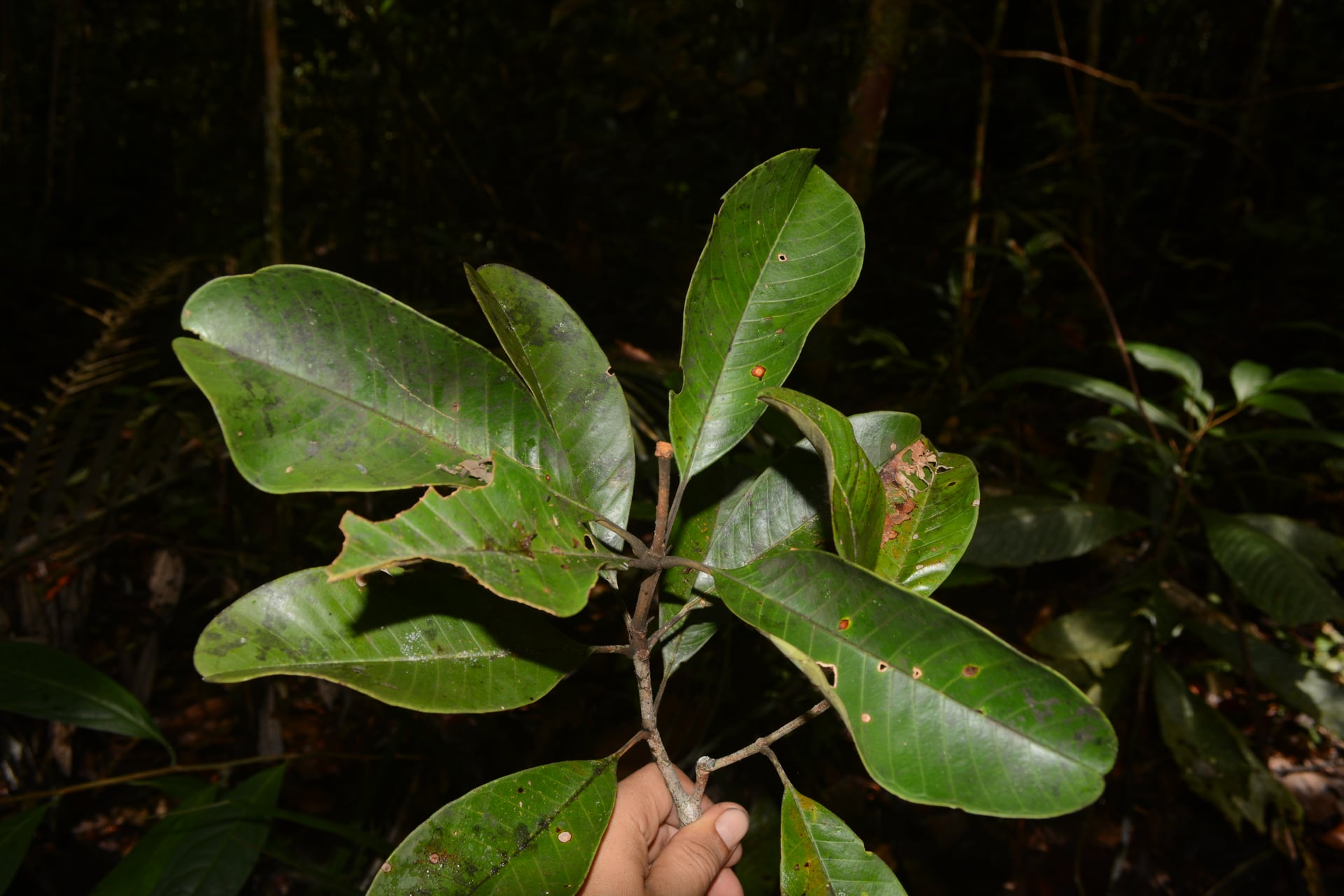
iNaturalist· cc-by
(c) Vincent A. Vos, some rights reserved (CC BY)
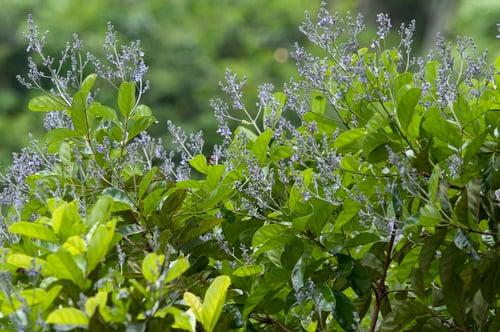
iNaturalist· cc-by
(c) Vincent A. Vos, some rights reserved (CC BY)
Description
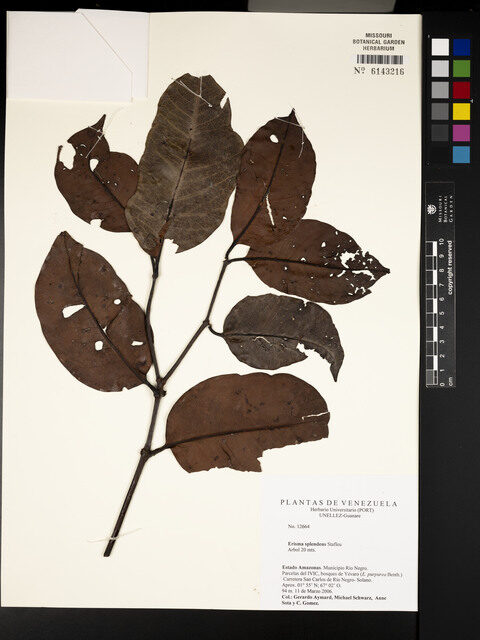
Qualea paraensis is an evergreen tree with a roundish, sparse crown; it can grow from 10 - 35 metres tall. The straight, cylindrical bole can be 50 - 90cm in diameter and unbranched for 15 metres. The tree is harvested from the wild for its wood, which is used locally and also traded as a source of 'mandioqueira' wood.
Distribution
S. America - Brazil, Bolivia, Peru, Ecuador, Venezuela, Guyana.
Where It Grows
Fruit, Seeds,
Cultivation
Succeeds in full sun or shade. Established plants are drought tolerant.
Propagation
Seed - best sown as soon as it is ripe. It can be difficult to produce plants in a nursery, germination rates are generally low and seedlings will often not develop properly. Sow in a semi-shaded position in a nursery seedbed. The germination rate is normally low, with the seed sprouting in 42 - 56 days. Pot up the seedlings into individual containers when they are 4 - 5cm tall. Many of the seedlings will not grow well.
Other Uses
The heartwood is brown-pinkish to brown-reddish; it is clearly demarcated from the 3 - 6cm wide band of greyish-white sapwood. The grain is interlocked to undulate; texture medium; lustre tenuous; the unseasoned wood has an unpleasant odour, but the taste and odour of seasoned wood is indistinct. The wood is moderately heavy; moderately hard; moderately durable, having a good resistance to dry wood borers, moderate resistance to fungi, but poor resistance to termites. It seasons at a normal rate, with a high risk of checking and distortion; once dry it is poorly stable in service. It can be worked with ordinary tools; finishes well; nailing and screwing are good; gluing is correct. The wood is used in construction, heavy carpentry, joinery, panelling, flooring, furniture components, tool handles, boxes and crates, veneer etc. The wood is used for fuel and for making charcoal.
Other Information
Vochysiaceae
Notes
A tree.
Also Known As
Arenillo, Areno, Chocolatillo, Jihui sama, Jihui xoco, Mandioqueira, Mandioqueira-escamosa, Mandioqueora-vermelha
References (5)
- Grandtner, M. M., 2008, World Dictionary of Trees. Wood and Forest Science Department. Laval University, Quebec, Qc Canada. (Internet database http://www.wdt.qc.ca)
- Grandtner, M. M. & Chevrette, J., 2013, Dictionary of Trees, Volume 2: South America: Nomenclature, Taxonomy and Ecology. Academic Press p 557
- Kermath, B. M., et al, 2014, Food Plants in the Americas: A survey of the domesticated, cultivated and wild plants used for Human food in North, Central and South America and the Caribbean. On line draft. p 731
- Roa, J. A. G. & Boada, D. S. G., 2018, Fundación para el Fortalecimiento de la Fruticultura y Plantas Alimenticias no Convencionales en Colombia.
- Zambrana, P, et al, 2017, Traditional knowledge hiding in plain sight – twenty-first century ethnobotany of the Chácobo in Beni, Bolivia. Journal of Ethnobiology and Ethnomedicine (2017) 13:57