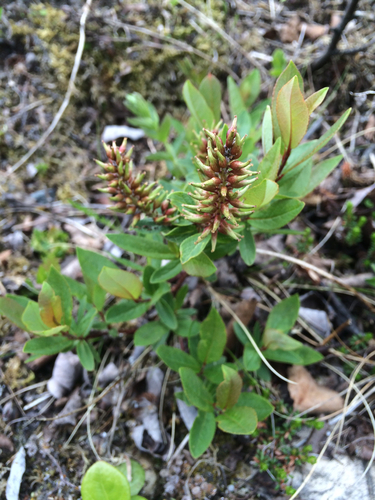
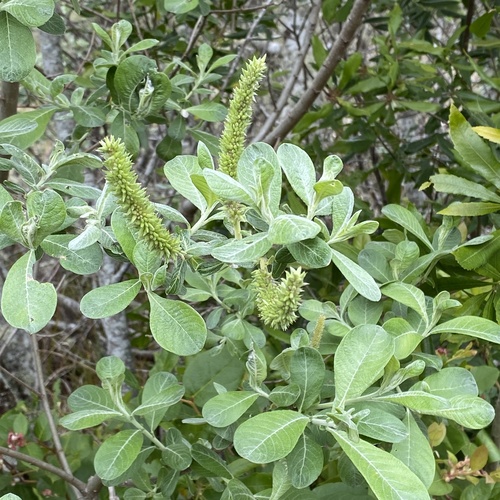
Casearia arborea
(Rich.) Urb.
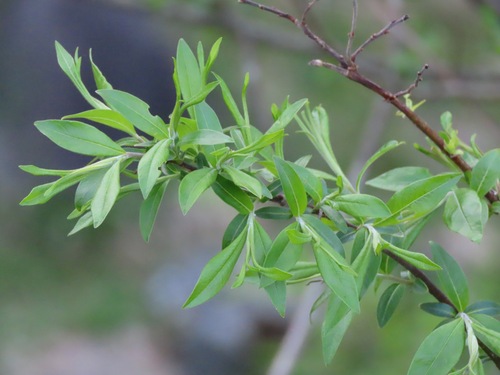
iNaturalist· cc-by-nc
(c) anson_fl, some rights reserved (CC BY-NC)
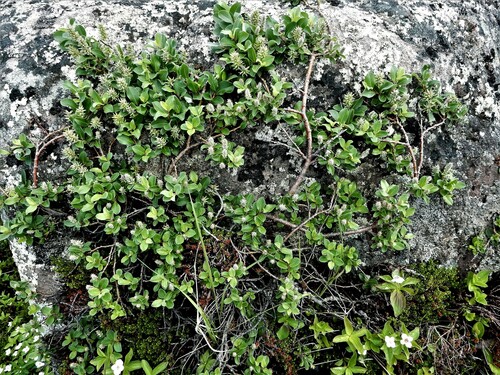
iNaturalist· cc-by-nc
(c) Maël Dewynter, some rights reserved (CC BY-NC)
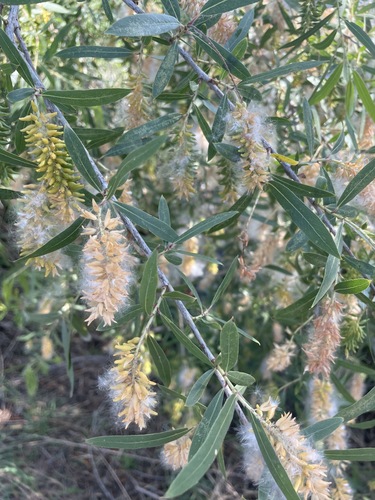
iNaturalist· cc-by-nc
(c) Juan Gabriel, some rights reserved (CC BY-NC)
Description
A tropical tree in the Salicaceae family that grows approximately 20 m tall.
This description is brief — help expand it
Edible Uses
The fruit is a capsule containing a number of seeds that are surrounded by a fleshy aril. We have no specific reports of edibility for this species, but the aril of several species in this genus are known to be edible and, unless it is very bitter, in an emergency the aril of this species is likely to supply a tiny bit of nutriment.
Medicinal Uses
The plant is vulnerary and healing, and is a useful treatment against snake bites. The leaves are applied topically to the wounds and ulcers, and at the same time the juice that is obtained from them is drunk. The above report was listed under Casearia cambessedesii Eichler. This taxon is considered to be a synonym of Casearia ulmifolia by Plants of the World Online; whilst it is considered to be a synonym of Casearia sylvestris by CONABIO. 2009. Catálogo taxonómico de especies de México. 1. In Capital Nat. México. CONABIO, Mexico City; and to be a synonym of Casearia arborea by.
Known Hazards
The fruit is a capsute containing several seeds. Although the capsule of some species (and possibly also the seeds contained therein) is somewhat toxic, the fleshy aril surrounding the seeds is a different matter and in some species (see information below on edibility to see if this is one of them) is often eaten and is considered to be perfectly wholesome.
Distribution
It is a tropical plant.
Where It Grows
Belize, Bolivia, Brazil, Central America, Colombia, Ecuador, Greater Antilles, Guianas, Panama, Peru, South America*,
Cultivation
The plant can flower and produce fruit all year round.
Propagation
The seed of species in this genus often has a short period of viability and so is best sown as soon as it is ripe. The seed is collected when the fruits start to open - leave them in the sun to open completely to release the seed, then rinse the seed in water to remove the arils. Sow the seed in a partially shaded position in a nursery seedbed, only just covering the seed, and keep moist. Germination rates vary, but can usually be expected to be low, with the seed sprouting within 20 - 30 days. When the seedlings are 3 - 5cm tall, pot them up into individual containers and they should be ready to plant out a few months later. Cuttings.
Other Uses
The wood is usually light brown to pale yellow, sometimes reddish-brown. Texture is fine; the grain straight or roey. The wood is moderately heavy to heavy, hard, brittle, and appears to be durable. It saws slightly woolly; taking a smooth finish with a high golden lustre. The wood is used for rafters and beams in house construction, posts etc. The wood is used for fuel.
Synonyms
Also Known As
Anku muyu, Chini kuru pahu, Guayaba muyu, Jihui pohi, Payantsu, Piedrita, Sani muyu, Yamakainum
References (3)
- Roa, J. A. G. & Boada, D. S. G., 2018, Fundación para el Fortalecimiento de la Fruticultura y Plantas Alimenticias no Convencionales en Colombia.
- Torre, de la, L., et al, 2008, Enciclopedia de las Plantas Útiles del Ecuador. Herbario QCA. Pontificia Universidad Católica del Ecuador. p 561
- Zambrana, P, et al, 2017, Traditional knowledge hiding in plain sight – twenty-first century ethnobotany of the Chácobo in Beni, Bolivia. Journal of Ethnobiology and Ethnomedicine (2017) 13:57