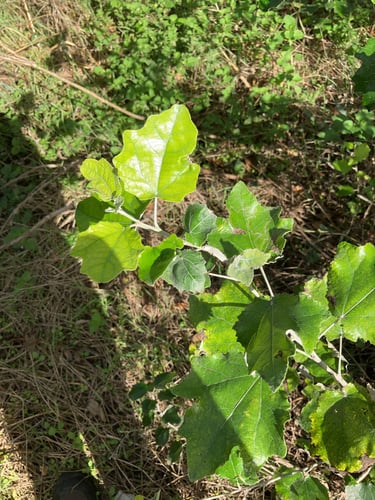
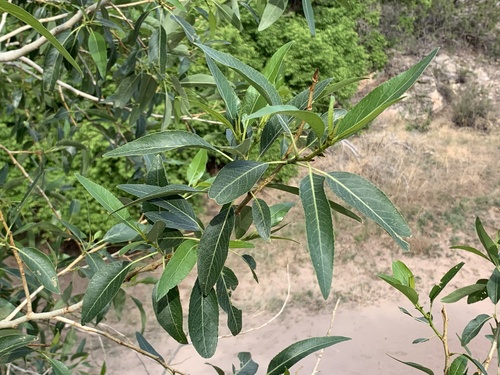
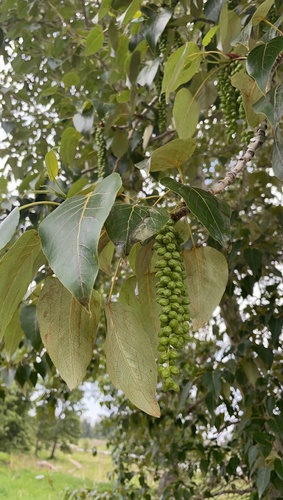
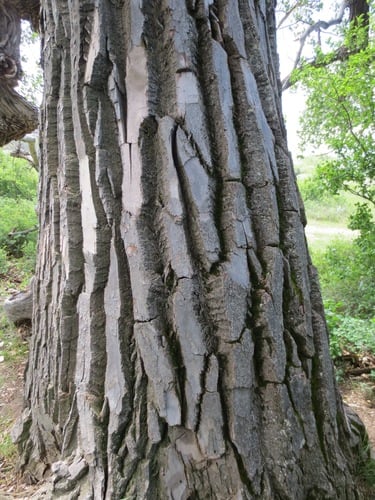
Salix gooddingii
C. R. Ball
Goodding's willow
iNaturalist· cc-by-nc
(c) ardenlbrown, some rights reserved (CC BY-NC)
iNaturalist· cc-by
(c) Alex Abair, some rights reserved (CC BY), uploaded by Alex Abair
iNaturalist· cc-by-nc-sa
(c) David Bygott, some rights reserved (CC BY-NC-SA)
Summary
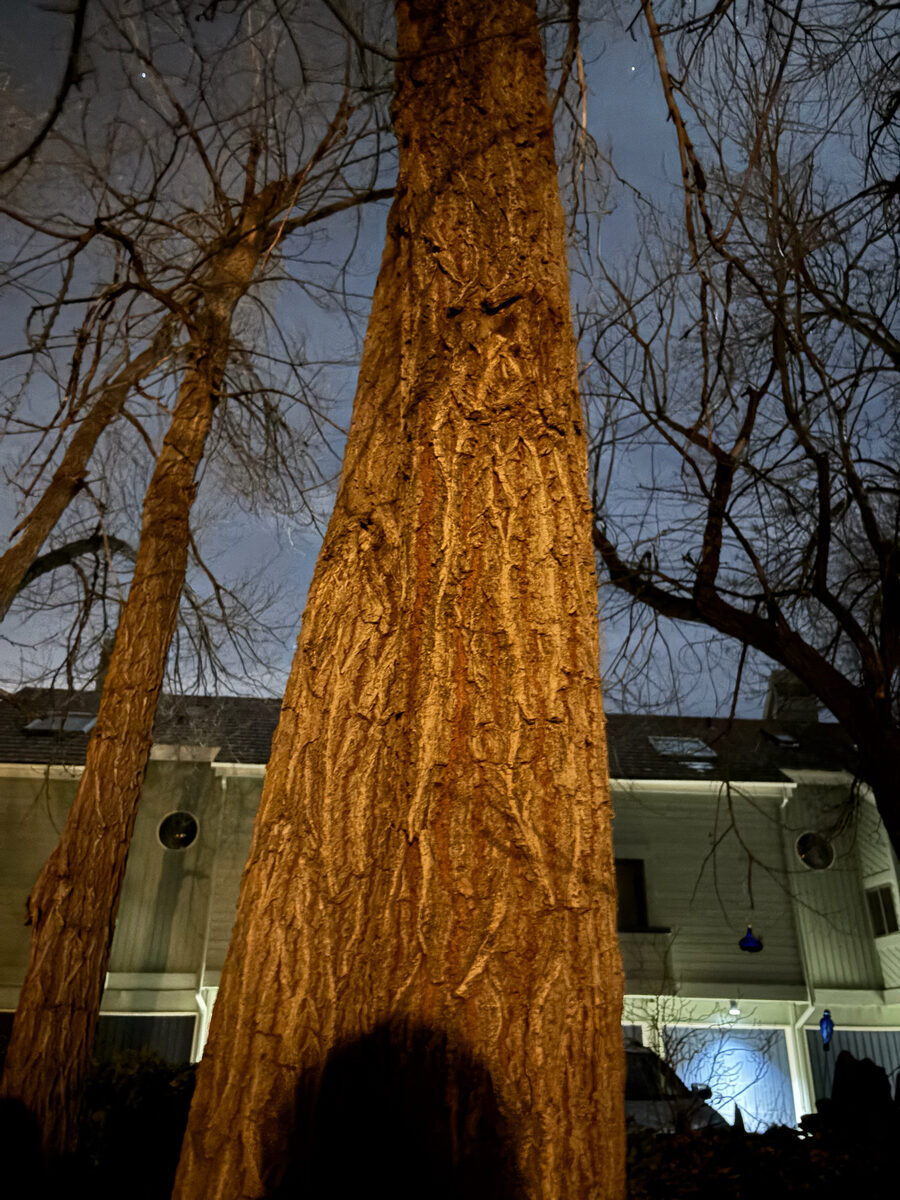
Source: WikipediaSalix gooddingii is a species of willow known by the common name Goodding's willow, or Goodding's black willow. It was named for its collector, Leslie Newton Goodding. Salix gooddingii is native to the southwestern United States and northern Mexico, where it grows in moist and wet habitat in many types of habitat from mountains to desert. It is a common riparian species. It is a tree growing to 3 to 30 m (9.8 to 98.4 ft) tall, with thick, furrowed, shreddy bark and many thin branches. The leaves are up to 13 cm long, generally lance-shaped, and finely serrated along the edges. The young leaves are coated in hairs. The inflorescence is a catkin of flowers up to 8 cm long. Sometimes it is considered a variant of Salix nigra.
Description
Fast-growing deciduous tree reaching 10m tall, hardy to UK zone 7. Flowers in April with seeds ripening in May. Dioecious species requiring both male and female plants for seed production. Tolerates light sandy, medium loamy, and heavy clay soils with mildly acid to neutral pH. Requires full sun and prefers moist or wet soil.
Edible Uses
A honeydew can be collected from cut branches. Young shoots can be brewed into a tea, and the leaves and bark of twigs can also be steeped to make a tea. The catkins can be eaten raw. The bark — most likely the inner bark — can be eaten raw or cooked.
Traditional Uses
The honey dew obtained from cut branches is eaten. The young shoots are used to make tea. The catkins are eaten raw. The bark is eaten raw or cooked in hot ashes.
Medicinal Uses
A decoction of the leaves and bark has been used as a febrifuge. The fresh bark contains salicin, which probably decomposes into salicylic acid (closely related to aspirin) in the human body, and is used as an anodyne, febrifuge, and ingredient in spring tonics. The bark is also anodyne, anti-inflammatory, antiperiodic, antiseptic, astringent, diaphoretic, diuretic, hypnotic, sedative, and tonic — properties drawn from the closely related S. nigra, which probably also apply to this species. It has been used to treat gonorrhoea, ovarian pains, and nocturnal emissions. Used interchangeably with S. alba, the bark is taken internally for rheumatism, arthritis, gout, inflammatory stages of auto-immune diseases, diarrhoea, dysentery, feverish illnesses, neuralgia, and headache. Bark is collected in summer and dried for later use. The leaves treat minor feverish illnesses and colic and can be harvested throughout the growing season for use fresh or dried.
Distribution
It is a temperate plant.
Where It Grows
North America, USA,
Cultivation
Succeeds in most soils, including wet, ill-drained or intermittently flooded soils, but prefers a damp, heavy soil in a sunny position. Rarely thrives on chalk. A good bee plant, providing an early source of nectar. Trees are impatient of root disturbance and should be moved regularly before being planted in their permanent positions, which is best done whilst the plants are young. The root system is rather aggressive and can cause problems with drains. It is best not to plant this species within 10 metres of buildings. Hybridizes freely with other members of this genus. Although the flowers are produced in catkins early in the year, they are pollinated by bees and other insects rather than by the wind. Plants in this genus are notably susceptible to honey fungus. Dioecious. Male and female plants must be grown if seed is required.
Propagation
Seed must be surface sown as soon as it is ripe in late spring, as viability is very short — perhaps only a few days. Cuttings of mature wood from the current year's growth can be taken November to February and rooted in a sheltered outdoor bed or planted directly into their permanent position with a weed-suppressing mulch; success is very easy. Plant out into permanent positions in autumn. Half-ripe cuttings can be taken June to August and rooted in a frame, also very easily.
Other Uses
The stems are used in basket making. Native American peoples would debark the stems and weave baskets tight enough to hold water. Small green branches can be split in two, peeled, twisted, dried, and used for sewing coiled baskets. The plant is usually coppiced annually for basket making, though coppicing every two years yields thicker poles for uprights. The bark has been used as padding in babies' cradles. This species is suited to sites with aggressive surface roots, seashore conditions, or specimen planting, and is valued as a dynamic accumulator.
Synonyms
References (2)
- https://www.fireflyforest.com/flowers/category/edible-plants/ Edible Plants – Southeastern Arizona Wildflowers and Plants
- Moerman, D. F., 2010, Native American Ethnobotany. Timber Press. p 503