Salix hybrids
Various
Hybrid willows
No photos yet for Salix hybrids
Sign in to contribute a photoDescription
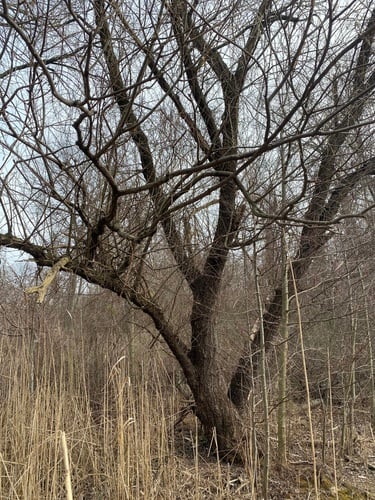
Salix hybrids is a deciduous Shrub growing to 25 m (82ft) by 15 m (49ft) at a fast rate. See above for USDA hardiness. It is hardy to UK zone 2. The flowers are pollinated by Insects. Suitable for: light (sandy), medium (loamy) and heavy (clay) soils. Suitable pH: mildly acid, neutral and basic (mildly alkaline) soils. It cannot grow in the shade. It prefers moist or wet soil.
Edible Uses
See individual species. In some species the inner bark and leaves are edible.
Medicinal Uses
Some. See individual species. Willow bark was the basis for aspirin development. Many cultures have used willow bark for pain relief, thanks to a compound in willow bark called salicin.
Known Hazards
See individual species.
Distribution
Origin: N. Temperate, Africa, S. America. A wide natural distribution from the tropics to the arctic zones and are extensively cultivated around the world.
Cultivation
Fodder: Bank Industrial Crop: Biomass Management: Coppice Minor Global Crop Other Systems: SRCClimate: , tropical highlands. Humidity: semi-arid to humid, aquatic. There are tree, shrub, and ground cover willows. Usually coppiced or pollarded when managing. Some coppiced willows have lived to 800 years. Easy to breed and hybridize. Willows are very cross-compatible, and numerous hybrids occur, both naturally and in cultivation. A well-known ornamental example is the weeping willow (Salix × sepulcralis), which is a hybrid of Peking willow (Salix babylonica) from China and white willow (Salix alba) from Europe. Breeding work has increased biomass yields 50% in the last few decades. European breeding emphasises Salix viminalis and four or five others while North America is based on Salix purpurea and others. Carbon Farming Solutions - Cultivation: minor global crop. Management: coppice (Describes the non-destructive management systems that are used in cultivation).
Propagation
Seed
Other Uses
Basketry Biomass Fencing Filter Fodder Soil stabilization Weaving Wood. Wastewater treatment - converting wastewater to biomass fuel by taking up excess nutrients in warer for fertilizer. A strong, light flexible wood used for basketry, fencing and natural building. Erosion control and bank stabilization akong streams and rivers. Carbon Farming Solutions - Industrial Crop: biomass (Crops grown for non-food uses. Industrial crops provide resources in three main categories: materials, chemicals, and energy. Traditional materials include lumber and thatch, paper and cardboard, and textiles). Fodder: bank. The leaves are a good fodder for livestock. Other Systems: SRC. Dynamic accumulator.
Synonyms
Also Known As
Willows, Sallows, Osiers, Willow Hybrids, Salix Hybrids