Baikiaea insignis
Benth.
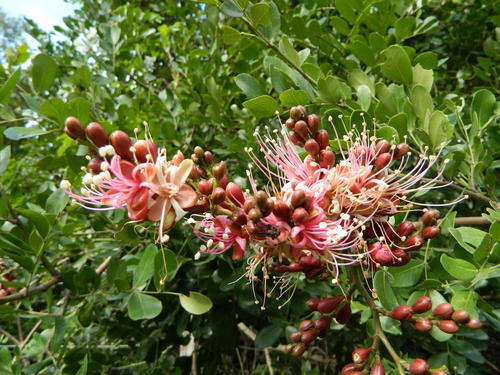
iNaturalist· cc-by-nc
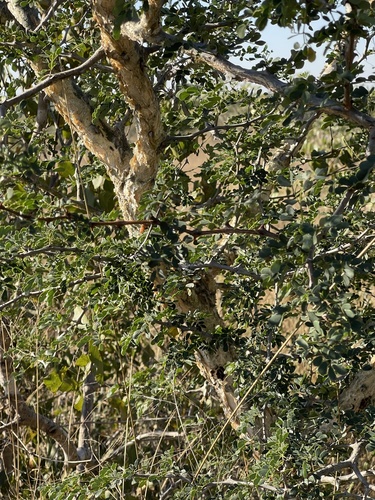
(c) Bart Wursten, some rights reserved (CC BY-NC), uploaded by Bart Wursten
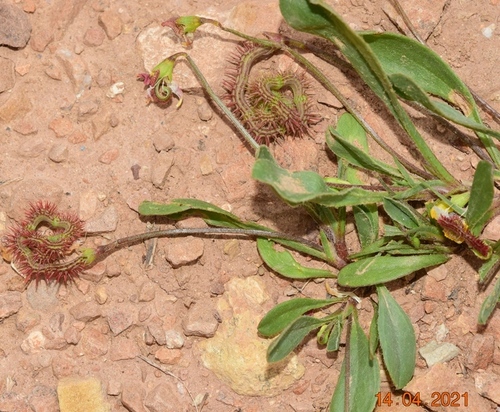
iNaturalist· cc-by-nc
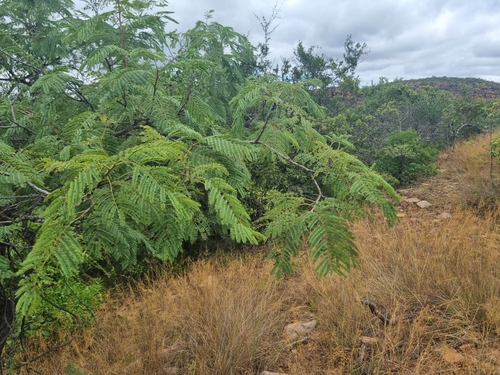
(c) Bart Wursten, some rights reserved (CC BY-NC), uploaded by Bart Wursten
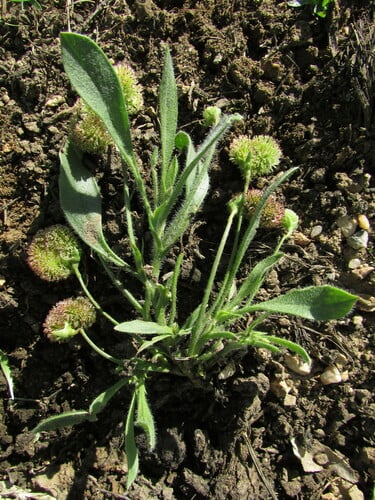
iNaturalist· cc-by-nc
(c) Bart Wursten, some rights reserved (CC BY-NC), uploaded by Bart Wursten
Summary
Source: WikipediaBaikiaea insignis is a species of legume in the family Fabaceae. Baikiaea insignis ranges through the Guineo-Congolian region into eastern Africa, from Senegal through Nigeria, Cameroon, Equatorial Guinea, Gabon, Republic of the Congo, Democratic Republic of the Congo, northern Angola, Uganda, Kenya, Rwanda, Burundi, and Tanzania. It has very large flowers; the four white petals each being up to 20 cm (7.9 in) long and up to 7 cm (2.8 in) wide, with the yellow fifth petal only half as big. With a total width of 40 cm (16 in) it is possibly the widest flower in Africa, and among the largest known tree-borne flowers, (but also see Pachira insignis). Baikiaea insignis is found in a range of plant communities, from sea level up to 1,800 metres elevation. It is found in rainforests, periodically flooded riparian forests with Uapaca heudelotii and Irvingia smithii, gallery forests, upland and mountain forests, and swamp forests. Baikiaea insignis subsp. minor, commonly known as Nkobakoba or Nkoba, is a subspecies found in Bukoba district of Tanzania and the South Buddu forests of Uganda. B. insignis minor and Afrocarpus dawei are the dominant canopy trees in Minziro and Sango Bay forests, a distinctive swamp forest community found along the lower reaches of the Kagera River west of Lake Victoria, on the border of Tanzania and Uganda.
Description
A tree. It grows 8-25 m tall. The trunk is straight and the crown is small and dense. The bark is thin and grey-brown. The leaves have leaflets along the stalk. The leaf stalk is 4-17 cm long and there are 3-8 leaflets. These are 7-40 cm long by 3-17 cm wide. The leaves are stiff and leathery. The flowers have 5 petals and the flowers occur in groups. There are 4 large white petals 6-10 cm long and a more narrow yellow petal. The fruit are flat woody pods. These are 25 cm long by 7 cm wide. They hang down. They burst open and twist to release dark red seeds. These are flat and rounded and 3.5 cm long.
Edible Uses
Seeds - cooked. They are roasted and eaten during times of famine, when better foods are not available.
Distribution
It is a tropical plant.
Where It Grows
Africa, Angola, Cameroon, Central Africa, Congo DR,
Cultivation
Plants are grown from seed. The seed are soaked overnight before planting.
Propagation
Seed - soaking the seed overnight prior to sowing will shorten germination time.
Other Uses
The heartwood is straw-coloured or more yellowish with a pinkish tinge, turning a grayish brown on drying, and often marked with darker streaks; there is little or no distinction from sapwood. The texture is medium; the grain straight; when worked the wood has a green fig odour, but it is free of any distinctive taste. The wood is moderately hard, heavy, strong; it is rated as nondurable and is very liable to beetle and termite attack. It seasons well with little or no degrade except for end checking and moderate cup; once dry it is moderately stable in service. Green timber is difficult to saw because gummy sawdust clogs the teeth and blade; it works easily with hand and machine tools, though there is some tearing of the grain in planing. The wood is used for flooring, heavy construction (if treated), furniture components, joinery, shelving etc. The wood is used for fuel and to make charcoal.
Production
Trees are slow growing.
Also Known As
Bolengu, Djongo, Nkazu nkazu
References (3)
- Latham, P. & Mbuta, A. K., 2014, Useful Plants of Bas-Congo Province, Democratic Republic of Congo. Volume 1. Salvation Army. p 68
- Latham, P. & Mbuta, A. K., 2017, Plants of Kongo Central Province, Democratic Republic of Congo. Volume 1. 3rd ed p 74
- World Checklist of Useful Plant Species 2020. Royal Botanic Gardens, Kew