Mucuna atropurpurea
(Roxb.) Wight & Arn.
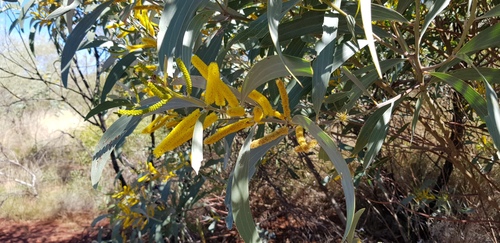
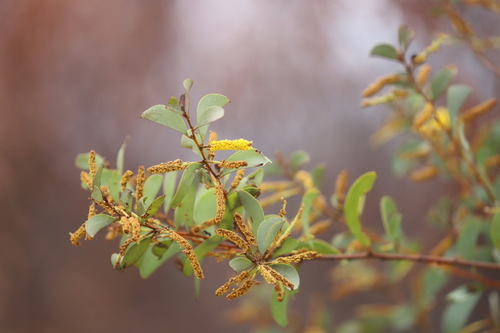
iNaturalist· cc-by-nc
(c) Jean-Philippe BASUYAUX, some rights reserved (CC BY-NC), uploaded by Jean-Philippe BASUYAUX
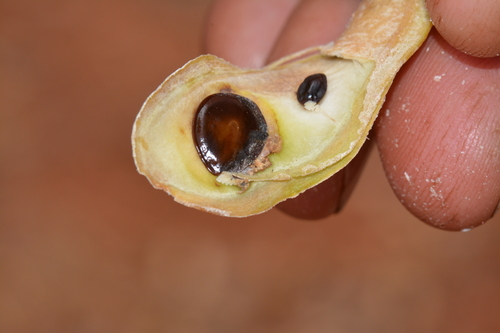
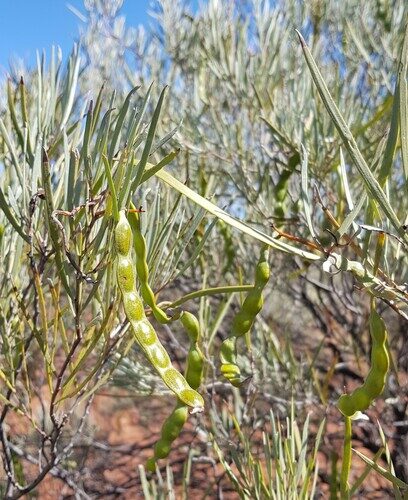
iNaturalist· cc-by-nc
(c) Jean-Philippe BASUYAUX, some rights reserved (CC BY-NC), uploaded by Jean-Philippe BASUYAUX
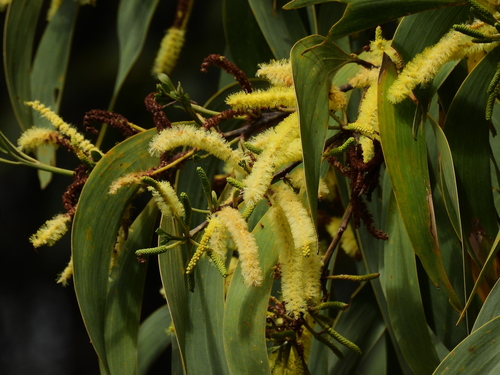
iNaturalist· cc-by-nc
(c) Jean-Philippe BASUYAUX, some rights reserved (CC BY-NC), uploaded by Jean-Philippe BASUYAUX
Description
A tropical herb of the Fabaceae family.
This description is brief — help expand it
Edible Uses
The seeds are eaten raw.
Traditional Uses
The seeds are eaten raw.
This uses section is brief — help expand it
Medicinal Uses
The dried, powdered seeds are boiled in water in combination with an equal quantity of a powder made from the dried seeds of Tamarindus indicus, and used to make a paste. This paste is used to help set broken bones. It is applied on the fractured area and bandaged tightly using a clean cloth. After a week, the bandage is removed and the paste is applied for rebinding. This procedure is repeated for three to four times to ensure proper setting of the fractured bone. The plant has shown antibacterial activity.
Distribution
It is a tropical plant.
Where It Grows
Asia, India,
Also Known As
Thellukka
References (2)
- Arinathan, V., et al, 2007, Wild edibles used by Palliyars of the western Ghats, Tamil Nadu. Indian Journal of Traditional Knowledge. 6(1) pp 163-168
- Pullaiah, Y., Krishnamurthy, K. V. & Bahadur, B., (Eds.), 2016, Ethnobotany of India, Volume 1: Eastern Ghats and Deccan.