Phlomis russeliana
(Sims) Lag. ex Benth.
iNaturalist· cc-by-nc
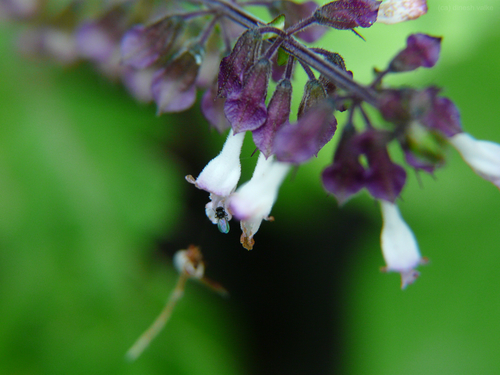
(c) kleedham, some rights reserved (CC BY-NC)
iNaturalist· cc-by-nc-sa
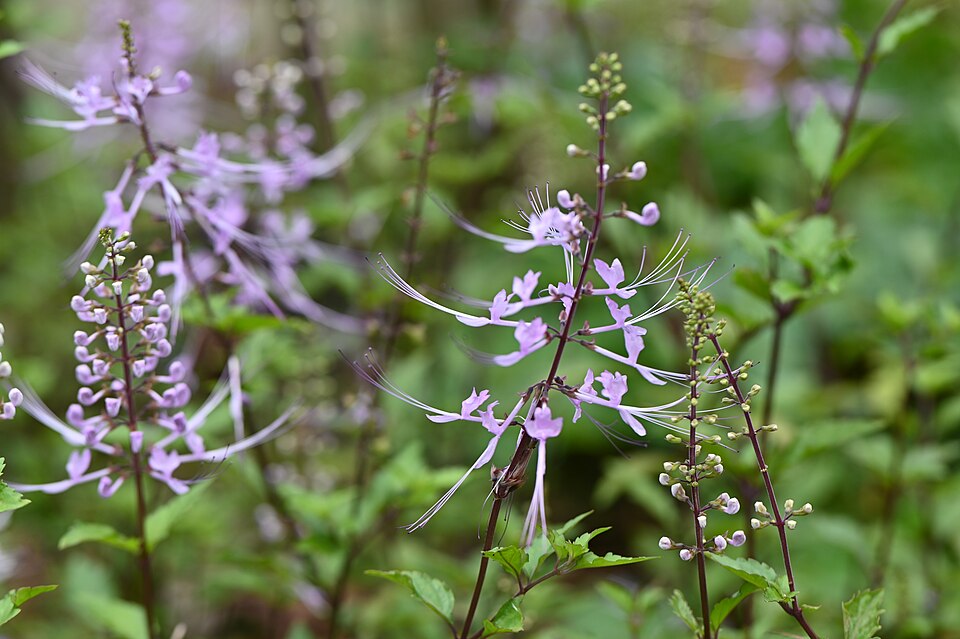
(c) edgeplot, some rights reserved (CC BY-NC-SA)
iNaturalist· cc-by-sa
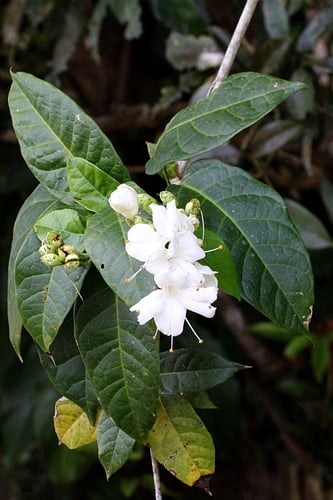
(c) Heidi Hellstern, some rights reserved (CC BY-SA), uploaded by Heidi Hellstern
Summary
Source: WikipediaPhlomis russeliana, Turkish sage, is a species of flowering plant in the family Lamiaceae, native to Turkey and Syria in south west Asia. It is often confused with the closely related P. samia, and wrongly marketed as Phlomis viscosa. Growing to 1 m (3.3 ft) tall, it is a herbaceous perennial with hairy, erect stems. The textured, grey-green, sage-like leaves are arrow shaped, and point downwards. In summer, whorls of green buds develop in the leaf axils at regular intervals up each vertical stem, giving a distinctive tiered effect. The buds open to globose clusters of dull yellow hooded flowers. Phlomis russeliana is cultivated as an ornamental garden flower, in moist soil in full sun. It is hardy in all temperate zones down to −20 °C (−4 °F). The flowers are long-lasting, the dried flower-heads providing architectural interest throughout the winter months, as well as multiple seeds for propagation in the early spring. It has been given the Royal Horticultural Society's Award of Garden Merit.
Description
Phlomis russeliana is an evergreen perennial growing 1 m tall and 0.6 m wide at a medium rate. Hardy to UK zone 7, it remains in leaf throughout the year with flowers blooming July to August. The species is hermaphroditic and tolerates light woodland conditions or full sun. It adapts to light sandy, medium loamy, and heavy clay soils with good drainage across mildly acidic, neutral, and basic pH ranges, thriving in dry or moist soil and tolerating drought.
Edible Uses
No edible uses are known for this plant.
Traditional Uses
The branches are used as a herbal tea
This uses section is brief — help expand it
Medicinal Uses
No medicinal uses are known for this plant.
Distribution
It is a temperate plant. It grows up to 1,700 m above sea level.
Where It Grows
Britain, Turkey, Türkiye,
Propagation
Sow seed in spring in a greenhouse, barely covering it; it germinates quickly. Prick seedlings into individual pots when large enough to handle and grow on in a greenhouse for their first winter, then plant out in late spring or early summer after the last frosts. Division can be carried out in spring or autumn.
Other Uses
This plant produces large, heart-shaped leaves that overlap to form an extremely effective weed-suppressing ground cover. It spreads as a rooting carpet and plants should be spaced approximately 60cm apart in each direction.
Synonyms
Also Known As
Ari otu
References (2)
- Kayabasi, N. P., et al, 2018, Wild edible plants and their traditional use in the human nutrition in Manyas (Turkey). Indian Journal of Traditional Knowledge. Vol. 17(2), April 2018, pp 299-306
- Kew Plants of the World onLine