Perovskia atriplicifolia
Benth.
Russian sage
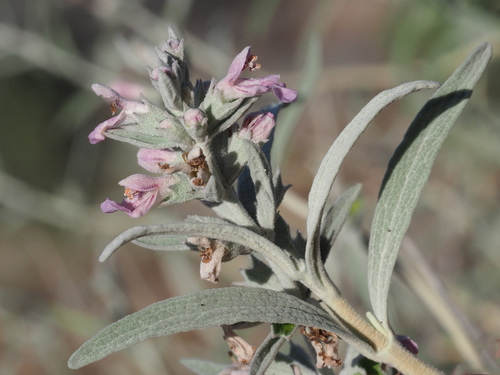
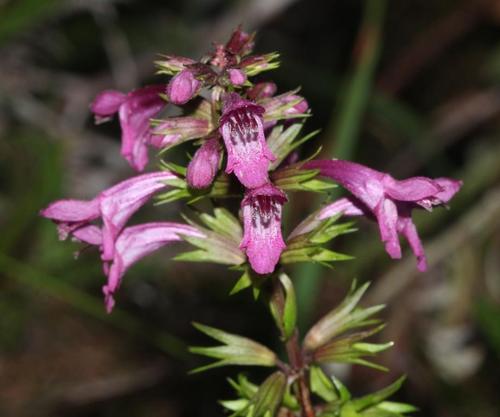
iNaturalist· cc-by-nc-sa
(c) Tamsin Carlisle, some rights reserved (CC BY-NC-SA)
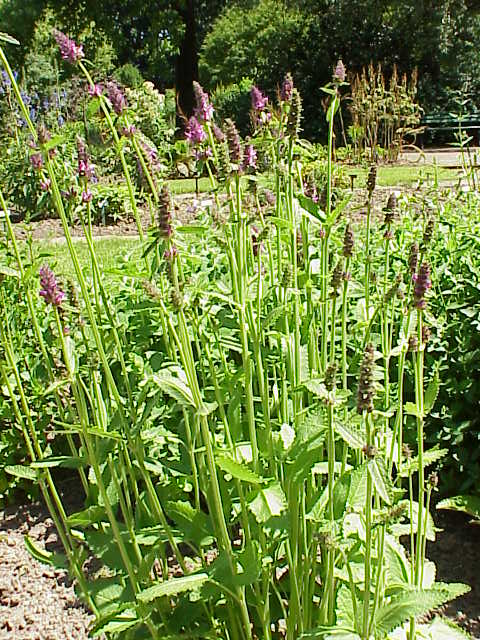
iNaturalist· cc-by-nc-sa
(c) Tamsin Carlisle, some rights reserved (CC BY-NC-SA)
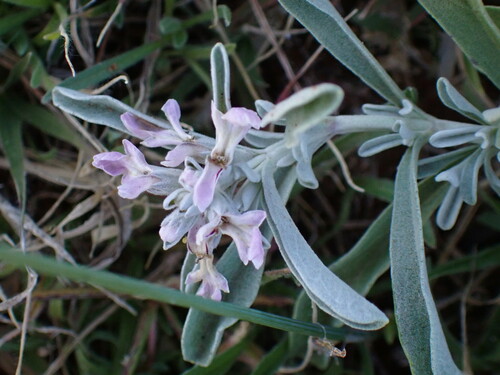
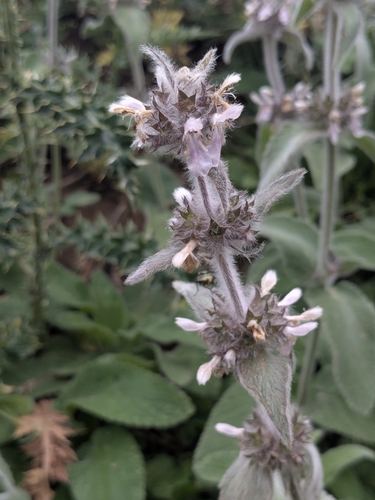
iNaturalist· cc-by-nc
(c) Curren Frasch, some rights reserved (CC BY-NC)
Summary
Source: WikipediaPerovskia atriplicifolia is a perennial growing to 1.5 m (5 ft) tall and 1 m (3 ft 3 in) wide at a medium rate. Hardy to UK zone 6 and not frost tender, it flowers September to October. Adapts to light sandy, loamy, or clay soils, including poor soils, across mildly acidic to very alkaline pH ranges with good drainage. Requires full sun, tolerates drought and maritime exposure, and grows in dry or moist soil.
Description
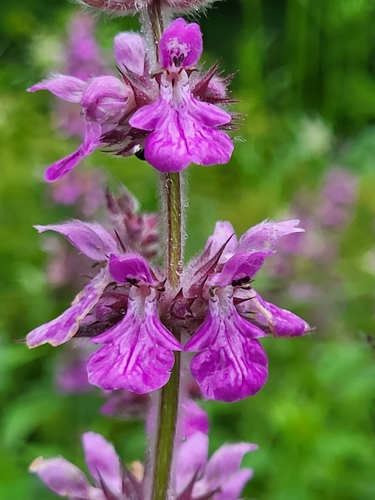
A herb. It grows to 120 cm high. It spreads 45-90 cm wide. The leaves are oval or oblong. They are 5-6 cm long. They are silvery green. The leaves are scalloped along the edge or have coarse teeth. The flowers are soft blue. They grow in narrow spikes. These are 30 cm long.
Edible Uses
The small lavender flowers have a sweet flavour and can be eaten in salads or used as a garnish.
Traditional Uses
The small flowers are sweet and eaten in salads or used as a garnish.
This uses section is brief — help expand it
Medicinal Uses
The plant is used as a cooling medicine in the treatment of fevers.
Known Hazards
Russian sage has a long history of use in traditional medicine, and is smoked as a euphoriant. In addition to its use in folk medicine, it is sometimes used in Russia to flavor a vodka-based cocktail. Its flowers are eaten in parts of Afghanistan and Pakistan, including Kashmir, adding a sweet flavor to salads. This species is considered a candidate for use in phytoremediation because of its rapid growth, tolerance for harsh conditions, and ability to accumulate toxic heavy metals from polluted soil. The essential oil can function as a biopesticide, especially regarding Tropidion castaneum beetles and Camponotus maculatus carpenter ants.
Distribution
It is a temperate plant. It suits hardiness zones 5-9.
Where It Grows
Afghanistan, Asia, Australia, Canada, China, Himalayas, India, Iran, Middle East, North America, Pakistan, Tasmania, Tibet, USA,
Cultivation
Prefers a rich well-drained dry soil and a sunny position. Tolerates light shade but plants become more lax in habit in such a situation. Succeeds in poor soils and, once established, tolerates drought. Tolerant of dry chalk soils, it also succeeds in maritime gardens. Plants are hardy to about -15°c, though the stems are often cut back by hard frosts. A very ornamental plant. In cultivation people often cut the plants to the ground in the spring in order to encourage strong new growth and plenty of flowers. Plants rarely produce seed in Britain. The crushed leaves are very aromatic. There are some named varieties, selected for their ornamental value.
Propagation
No specific information is available for this species, but sowing the seed in spring in a greenhouse is suggested. Prick seedlings out into individual pots when large enough to handle and grow on in the greenhouse for at least their first winter. Plant out into permanent positions in late spring or early summer after the last expected frosts. Softwood cuttings taken in late spring root easily in a frame. Half-ripe cuttings 7cm long with a heel can be taken in July or August and rooted in a cold frame.
Other Uses
This species is suitable for forming an internal decorative hedge of moderate height.
Production
It grows quickly.
Notes
There are 7 Perovskia species.
Also Known As
Sansubai
References (9)
- Ambasta, S.P. (Ed.), 2000, The Useful Plants of India. CSIR India. p 441
- Cundall, P., (ed.), 2004, Gardening Australia: flora: the gardener's bible. ABC Books. p 1011
- A. L. P. P. de Candolle, Prodr. 12:261. 1848
- Facciola, S., 1998, Cornucopia 2: a Source Book of Edible Plants. Kampong Publications, p 133
- Hibbert, M., 2002, The Aussie Plant Finder 2002, Florilegium. p 229
Show all 9 references Hide references
- Khalid, N., et al, 2023, Wild food plants gathered by four cultural groups in North Waziristan, Pakistan. Genet Resour Crop Evol. 70:1243–1276
- Lawton, B.P., 2002, Mints. A Family of Herbs and Ornamentals. Timber Press. p 170
- Ryan, S., 2008, Dicksonia. Rare Plants Manual. Hyland House. p 45
- Tanaka,