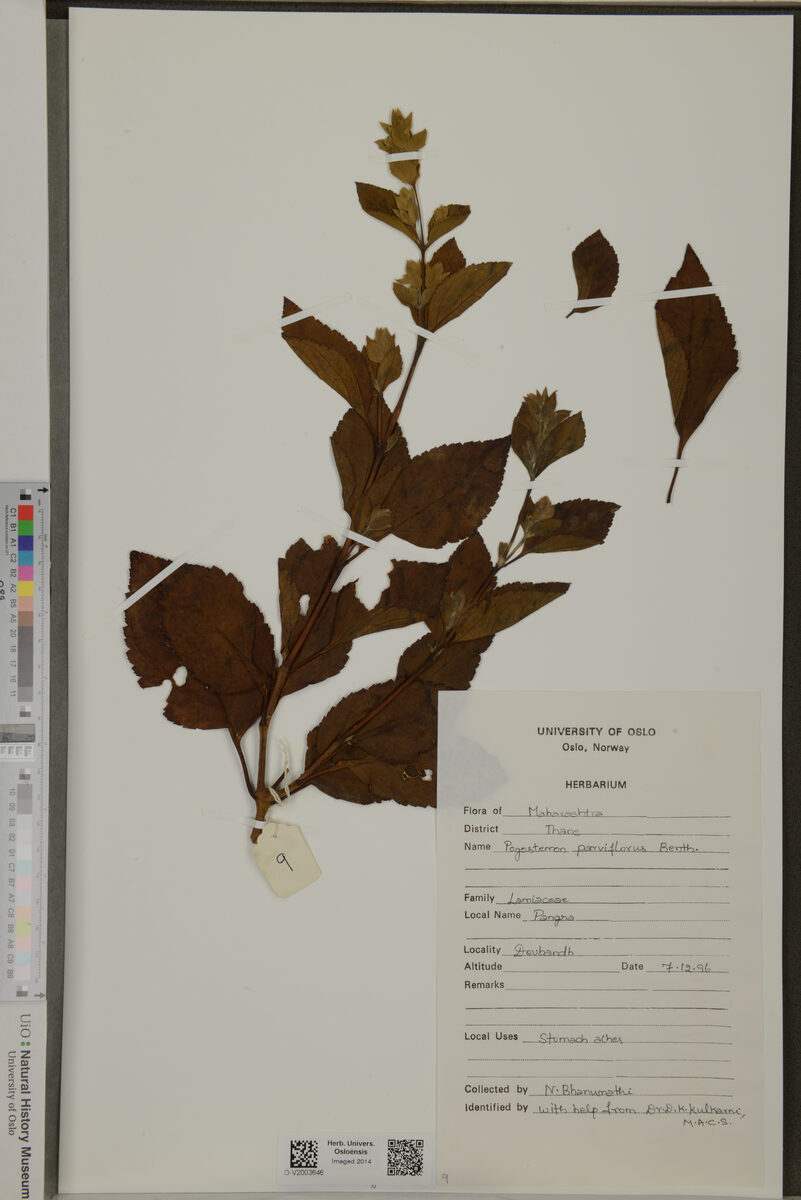
Orthosiphon rubicundus
(D. Don) Benth.
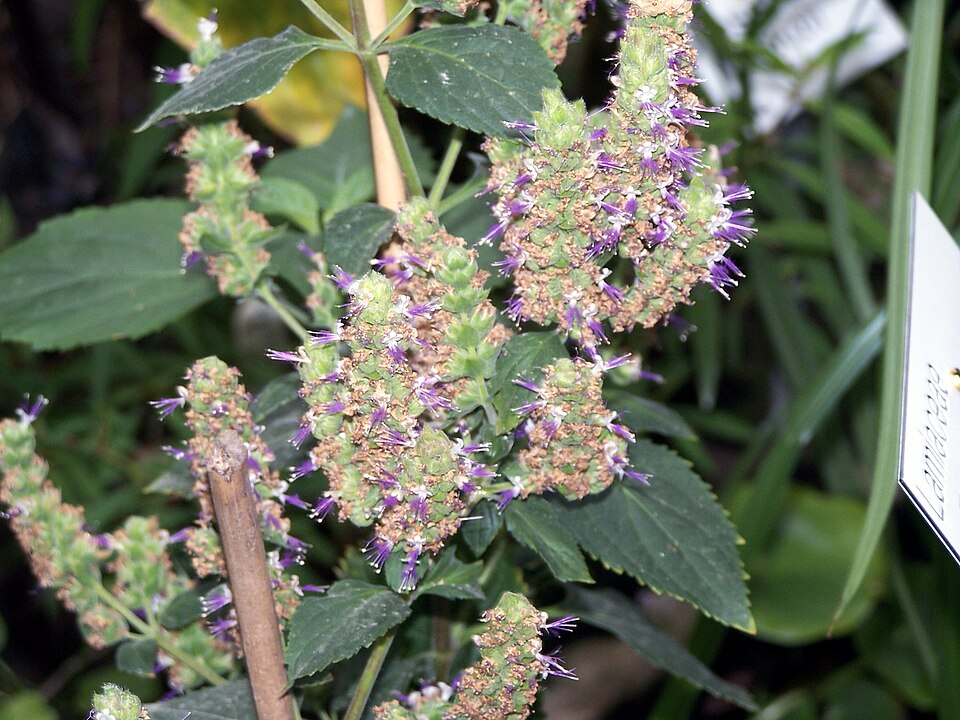
iNaturalist· cc-by-nc-sa
(c) Dinesh Valke, some rights reserved (CC BY-NC-SA)
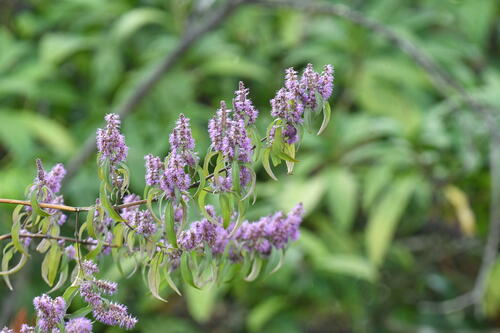
iNaturalist· cc-by-nc-nd
(c) Dinesh Valke, some rights reserved (CC BY-NC-ND)
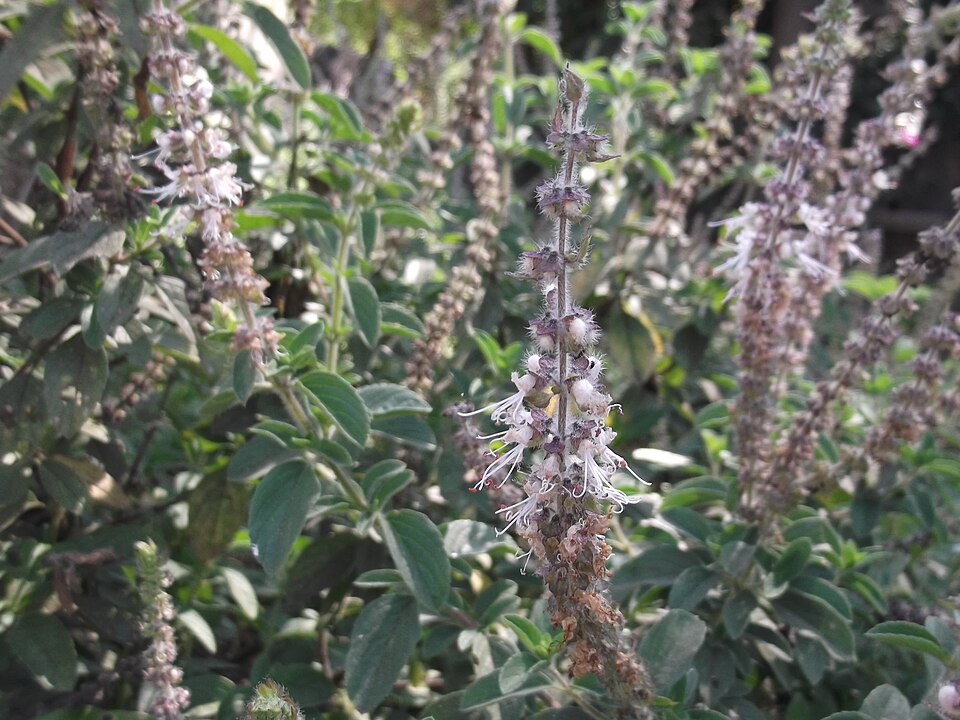
iNaturalist· cc-by-nc-nd
(c) Dinesh Valke, some rights reserved (CC BY-NC-ND)
Description
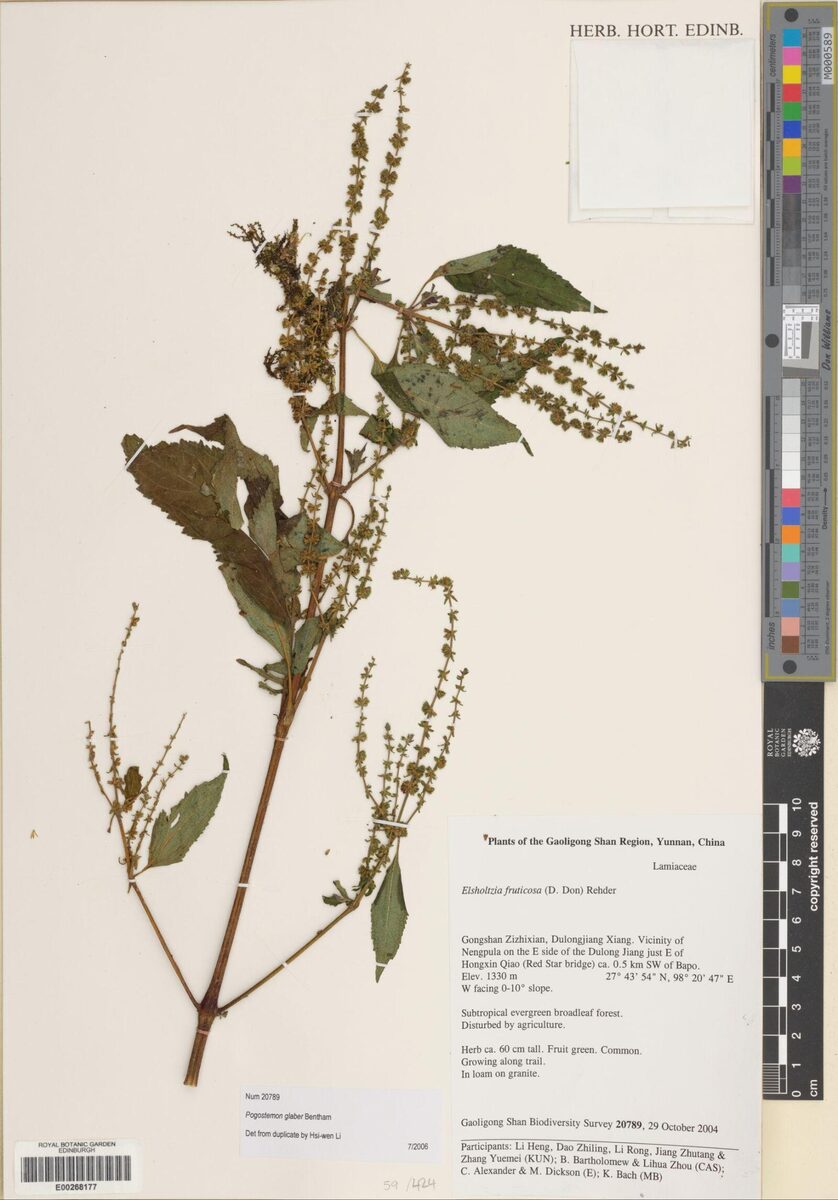
A softwood herb. It grows up to 60 cm tall. It has a woody rootstock that contains starch. The stems are erect, slender and 4 sided. The leaves are simple and in opposite pairs. They are 4-8 cm long by 1-3 cm wide. They have rounded teeth along the edge. The flowers are in rings along the stalk. There are 10-20 of these with 4-8 flowers. The nutlets are oval and 1.5 mm long by 1.2 mm wide.
Edible Uses
The tubers are sliced and ground into flour for use in cakes and other dishes, or processed to extract starch.
Traditional Uses
The tubers are eaten. They are sliced, and ground into flour then used for cakes and other dishes. They are also used to extract starch.
This uses section is brief — help expand it
Medicinal Uses
The plant has medicinal uses.
Distribution
A tropical plant. It grows in savannah woodland in Africa.
Where It Grows
Africa, Asia, Bangladesh, Burkina Faso, Cambodia, Central Africa, China, Congo, East Africa, Himalayas, India, Indochina, Laos, Madagascar, Mozambique, Myanmar, Nepal, Pakistan, SE Asia, Thailand, Vietnam,
Other Uses
The powdered up plant is used as a dusting-powder for babies.
Other Information
It is occasionally cultivated.
Notes
There are about 40-100 Orthosiphon species. They grow in the tropics.
Synonyms
Also Known As
Jhinkpata, Jikipota, Tha-gya-ma-geik
References (8)
- Ambasta, S.P. (Ed.), 2000, The Useful Plants of India. CSIR India. p 413
- Burkill, H. M., 1995, The Useful plants of West Tropical Africa. 2nd Ed. Volume 3, Families J-L. Kew
- Fern, K., 2012, Tropical Species Database http://theferns.info/tropical/
- Hedrick, U.P., 1919, (Ed.), Sturtevant's edible plants of the world. p 453
- Jardin, C., 1970, List of Foods Used In Africa, FAO Nutrition Information Document Series No 2.p 18
Show all 8 references Hide references
- Li Hai-wen, Hedge, I.C., Lamiaceae. Flora of China. p 397 var. hainanensis in China.
- Misra, R. C., et al, 2013, Genetic resources of wild tuberous food plants traditionally used in Similipal Biosphere Reserve, Odisha, India. Genetic Resources and Crop Evolution. Vol. 60 No. 2. Springer
- Pullaiah, Y., Krishnamurthy, K. V. & Bahadur, B., (Eds.), 2016, Ethnobotany of India, Volume 1: Eastern Ghats and Deccan.