Cousinia thomsonii
C. B. Clarke
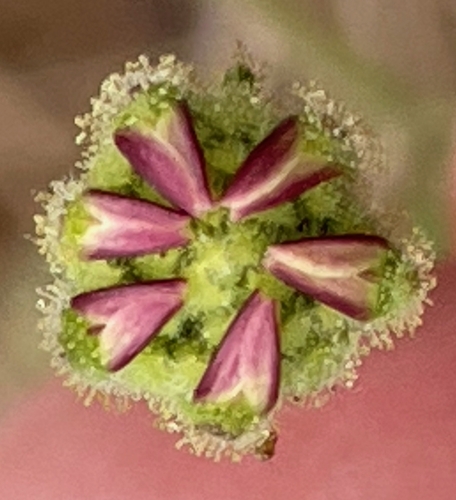
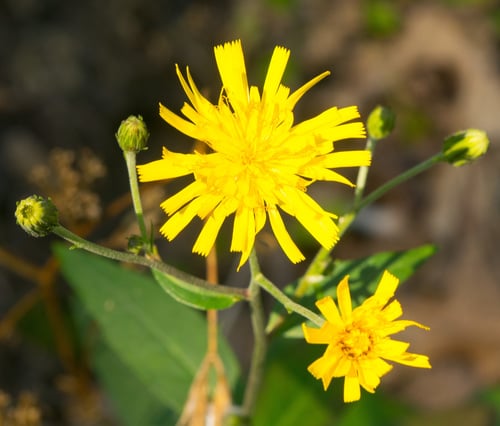
iNaturalist· cc-by-nc
(c) Kulbhushansingh Suryawanshi, some rights reserved (CC BY-NC), uploaded by Kulbhushansingh Suryawanshi
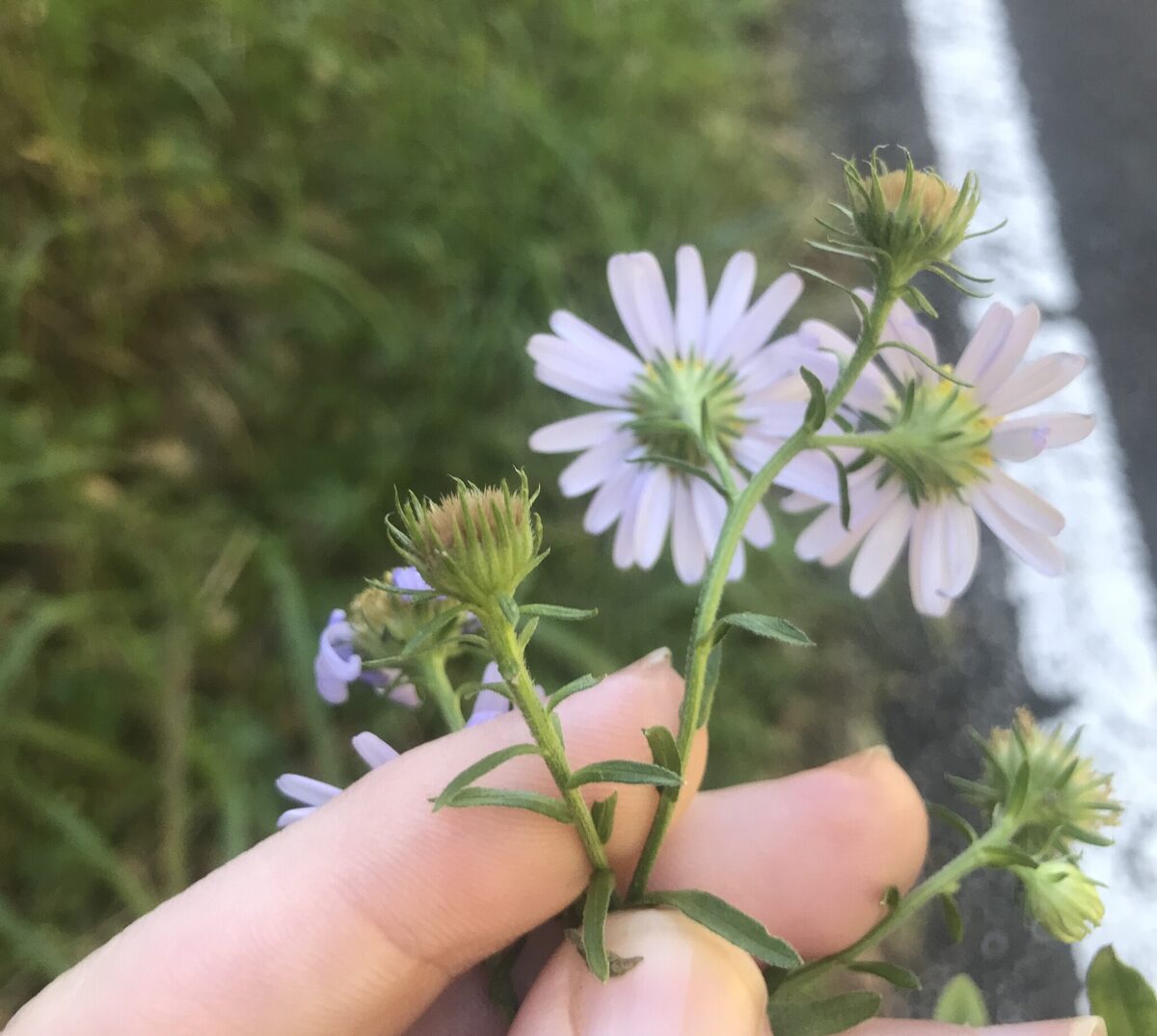
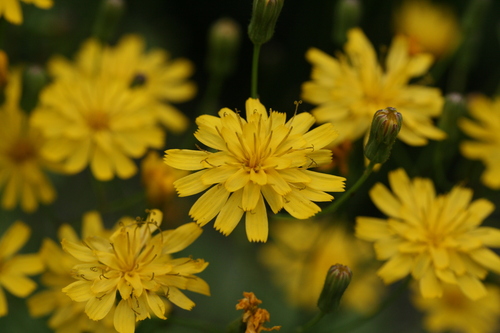
iNaturalist· cc-by-nc
(c) amolmm, some rights reserved (CC BY-NC)
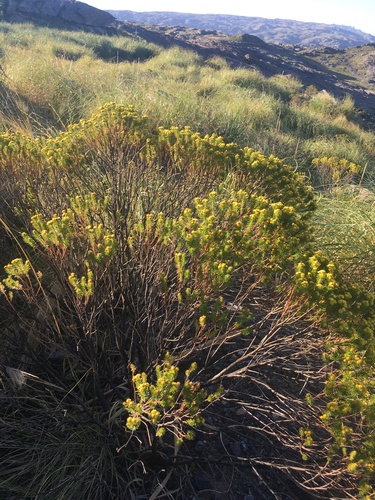
iNaturalist· cc-by-nc
(c) Curren Frasch, some rights reserved (CC BY-NC)
Summary
A perennial reaching 0.4 m tall. Flowers and seeds from July to September with hermaphrodite blooms. Adapts to light sandy, medium loamy, and heavy clay soils in mildly acid to mildly alkaline pH ranges. Grows in semi-shade or full sun; prefers moist soil.
Description
A perennial reaching 0.4 m tall. Flowers and seeds from July to September with hermaphrodite blooms. Adapts to light sandy, medium loamy, and heavy clay soils in mildly acid to mildly alkaline pH ranges. Grows in semi-shade or full sun; prefers moist soil.
Edible Uses
The leaves and spines are eaten when young and tender.
Medicinal Uses
None known.
Distribution
It is a temperate plant. In the Himalayas it grows between 3,000-4,600 m above sea level.
Where It Grows
Asia, Himalayas, India,
Cultivation
None known
Propagation
No specific information is available for this species, but seed is probably best sown as soon as it is ripe, though spring sowing is also likely viable. Generally, seed from plants in this family performs best when sown in pots very near the soil surface. Keep the soil consistently moist without overwatering. Prick seedlings out into individual pots once large enough to handle, grow them on in pots through their first year, then plant out into permanent positions in late spring.
Other Uses
None known.
Synonyms
References (1)
- Sharma, L. et al, 2018, Diversity, distribution pattern, endemism and indigenous uses of wild edible plants in Cold Desert Biosphere Reserve of Indian Trans Himalaya. Indian Journal of Traditional Knowledge. Vol 17(1) January 2018 pp 122-131