Alchornea hirtella f. glabrata
(Mull.Arg.) Pax & K. Hoffm.
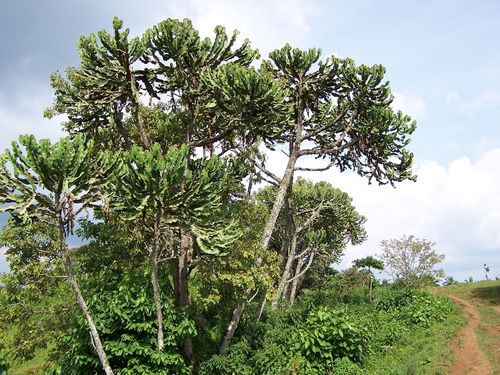
iNaturalist· cc-by-nc
(c) magdastlucia, some rights reserved (CC BY-NC), uploaded by magdastlucia
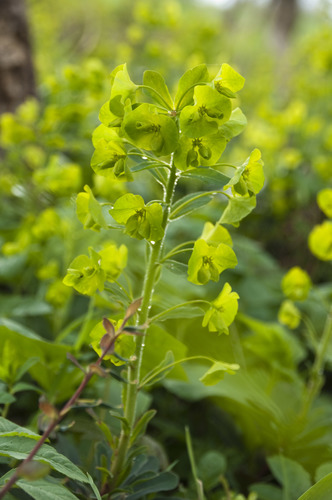
iNaturalist· cc-by-nc
(c) magdastlucia, some rights reserved (CC BY-NC), uploaded by magdastlucia
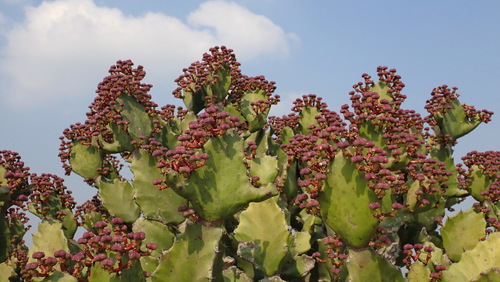
iNaturalist· cc-by-nc-sa
(c) Marco Schmidt, some rights reserved (CC BY-NC-SA), uploaded by Marco Schmidt
Summary
Source: WikipediaAlchornea hirtella is a shrub or small tree in the genus Alchornea in the family Euphorbiaceae. It is native to tropical Central and Southern Africa.
Description
A tropical shrub of the Euphorbiaceae family.
This description is brief — help expand it
Edible Uses
The leaves are eaten.
Medicinal Uses
Stakes made of Alchornea hirtella wood easily root and are used for bean poles. Branches are split for use in basketry and the wood is sometimes used in construction and as firewood. Extracts from the leaves of A. hirtella possess antimicrobial properties and have been found to inhibit growth of Proteus vulgaris, a pathogenic bacterium. The plant also has traditional herbal uses; various parts are used to treat toothache, diarrhoea, stomach ache, worms, headache, pain and the after effects of intoxication. This plant is preferentially used by chimpanzees in making tools for catching ants. The animals hunt through the forest for the shrub and make short poles out of it. Thicker poles are used to dig into and disturb an ant nest and thinner, flexible poles are inserted for the angry ants to climb onto. The chimpanzees then run their hands along the poles, scooping off the ants and thrusting handfuls into their mouths.
Distribution
It is a tropical plant.
Where It Grows
Africa, Burundi, East Africa,
Synonyms
References (1)
- Nzigidahera, B., 2006, Assessment of Socio-cultural, Economic Characteristics and Livelihood of Riparian Population of the Kibira National Park. (Rukoma-Mutana locality). UNDP p 30