Manihot dichotoma
Ule
Manihot rubber tree
No photos yet for Manihot dichotoma
Sign in to contribute a photoSummary
An evergreen tree reaching 5 m tall and 3.5 m wide with fast growth rate, hardy to UK zone 10. Adapts to light sandy, medium loamy, and heavy clay soils with good drainage and low fertility. Tolerates mildly acid, neutral, and basic soil pH, requires full sun, and adapts to both dry and moist conditions including drought.
Description
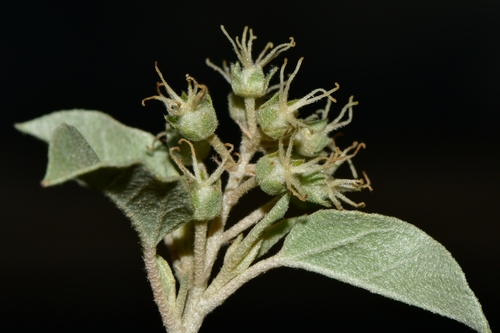
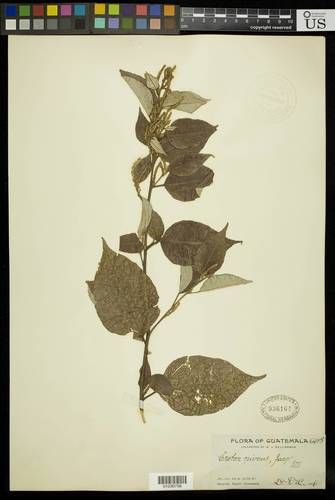
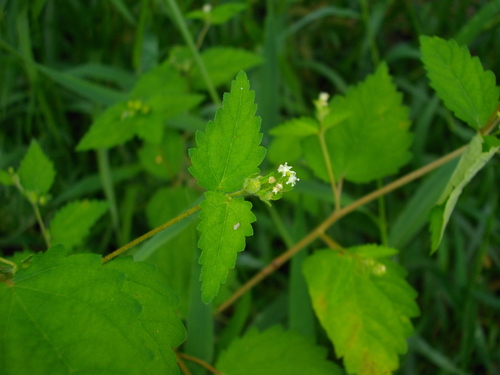
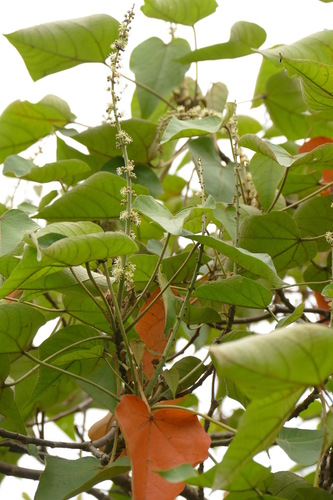
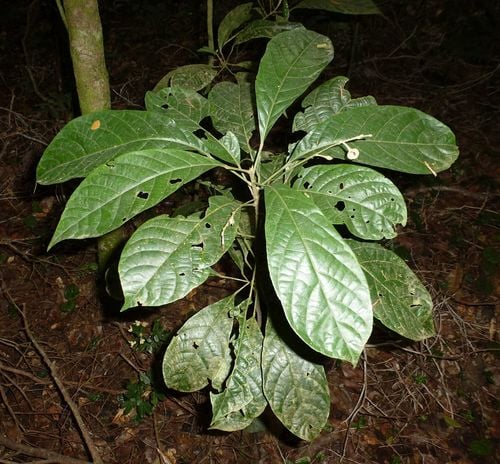
A tree. It grows 1-10 m high. The leaf stalk is 6-9 cm long. The leaves have 3-7 lobes. It can form hybrids with cassava.
This description is brief — help expand it
Edible Uses
None known
Traditional Uses
The starch of the roots is eaten as a famine food.
This uses section is brief — help expand it
Medicinal Uses
None known
Distribution
A tropical plant. It grows in acid soils. It can grow in arid places.
Where It Grows
Africa, Angola, Asia, Brazil*, Central Africa, East Africa, Hawaii, India, Kenya, Mozambique, South Africa, West Africa, Zimbabwe,
Cultivation
It can be grown as a hedge plant.
Propagation
Seed.
Other Uses
A latex obtained from the trunk is the source of Jequie rubber, also known as Mule gum. The plant has no place as a rubber producer. Native to Brazil, it has been rather widely cultivated as a rubber plant in tropical Africa. It is considered a good hydrocarbon industrial crop.
Other Information
It is a famine food.
Notes
There are 100 Manihot species in tropical America.
Nutrition
| Part | Moisture | kJ | kcal | Protein | Vit A | Vit C | Iron | Zinc |
|---|---|---|---|---|---|---|---|---|
| Root | — | 104 | 0.1 | — | — | — | — | — |
Synonyms
Also Known As
Tequie manicoba
References (7)
- Ambasta, S.P. (Ed.), 2000, The Useful Plants of India. CSIR India. p 354
- Burkill, I.H., 1966, A Dictionary of the Economic Products of the Malay Peninsula. Ministry of Agriculture and Cooperatives, Kuala Lumpur, Malaysia. Vol 2 (I-Z) p 1431
- Bussmann, R. W., (Ed.), 2020, Biodiverse food plants in the semiarid region of Brazil have unknown potential: A systematic review. Plos ONE 15(5): e0230936
- Nascimento, V. T. D., et al, 2012, Famine Foods of Brazil’s Seasonal Dry Forests: Ethnobotanical and Nutritional Aspects. Economic Botany.66 (1), pp 22-34
- Nascimento, V. T. D., et al, 2013, Knowledge and Use of Wild Food Plants in Areas of Dry Seasonal Forests in Brazil. Ecology of Food and Nutrition, 52:317–343
Show all 7 references Hide references
- Notizbl. Koenigl. Bot. Gart. Berlin 5(41):2. 1907
- Royal Botanic Gardens, Kew (1999). Survey of Economic Plants for Arid and Semi-Arid Lands (SEPASAL) database. Published on the Internet; http://www.rbgkew.org.uk/ceb/sepasal/internet [Accessed 16th April 2011]