Condalia spathulata
A. Gray
Knifeleaf condalia, Knifeleaf snakewood
iNaturalist· cc-by-nc
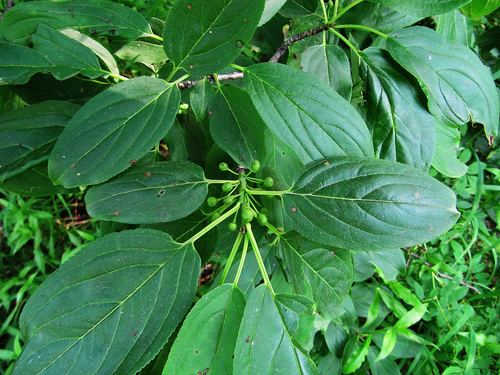
(c) Carlos G Velazco-Macias, some rights reserved (CC BY-NC), uploaded by Carlos G Velazco-Macias
iNaturalist· cc-by-nc
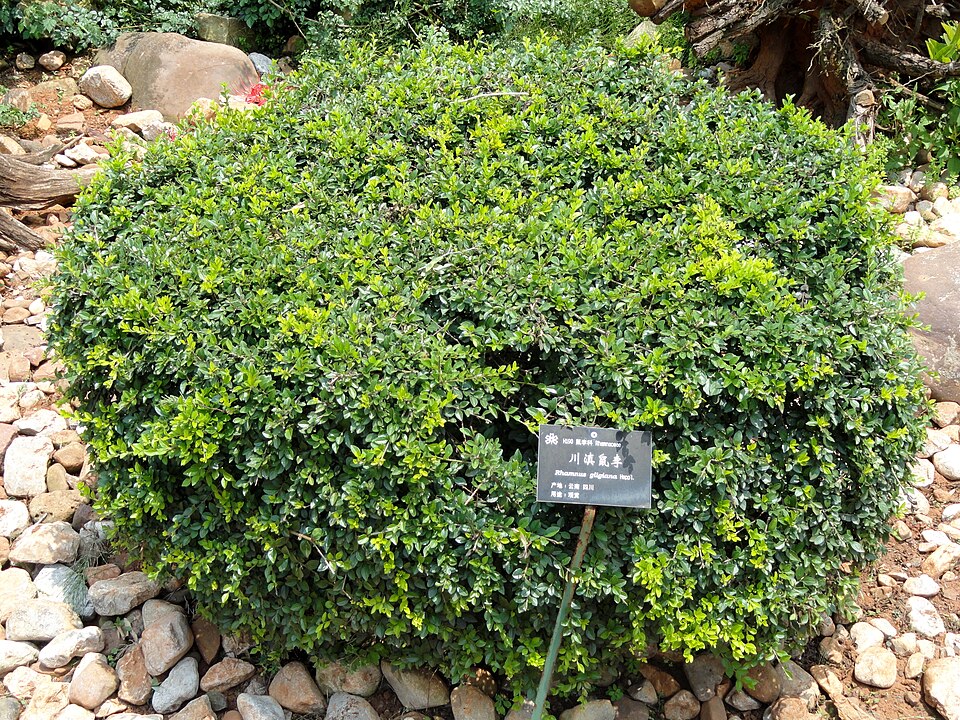
(c) Joey Santore, some rights reserved (CC BY-NC), uploaded by Joey Santore
iNaturalist· cc-by
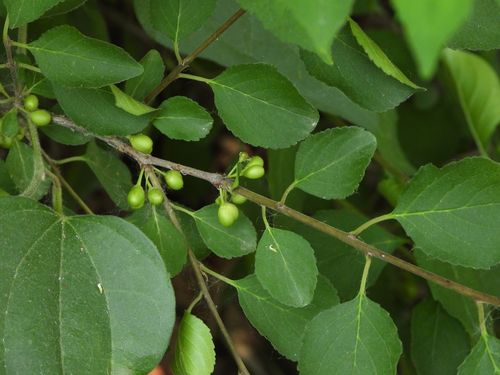
(c) Cody Stricker, some rights reserved (CC BY), uploaded by Cody Stricker
Description
A temperate shrub of the Rhamnaceae family.
This description is brief — help expand it
Edible Uses
High-quality edible fruit. One of the best desert shrub fruits in the Southwest. Edible Uses & Rating: The fruits are edible fresh or cooked and are among the highest-quality edible fruits produced by desert shrubs in the Southwest. Food value is high within desert ecosystems and excellent within the Condalia genus. Taste, Processing & Kitchen Notes: Fresh fruits are black, sweet, mildly bitter, and slightly mucilaginous, with hard pits. The bitterness typical of the genus is minimal in this species. Raw fruits are edible, but cooking greatly improves their culinary value. Boiling the fruits breaks down the mucilage and produces a thick, sweet, reddish-black broth. This broth is especially well suited for rice dishes, vegetable soups, stews, and reductions. Cooking also allows the pulp to separate cleanly from the pits, making processing far easier. The pulp has a rich, dark flavor profile well adapted to savory dishes rather than desserts. Seasonality (Phenology): Flowering occurs from midsummer into early autumn. Fruits ripen from late summer to early autumn. Ripening is staggered, and not all fruits mature simultaneously, making repeated harvest visits productive. Safety & Cautions (Food Use): No toxicity issues documented. Safe for consumption when properly identified. Harvest & Processing Workflow: Harvesting is best done using ground tarps and branch agitation to avoid hand injuries. Fully ripe fruits detach more easily than unripe ones. Fruits can be boiled whole, then pulp separated from pits and reduced into broths or pastes. Cultivar / Selection Notes: No cultivars exist. Look-Alikes & Confusion Risks: Often confused with Warnock’s condalia (Condalia warnockii) and Mexican bluewood (Condalia mexicana). Taxonomic separation is unclear in older literature, and these species may represent a complex rather than distinct biological entities. Traditional / Indigenous Use Summary: Historically used as a food plant in desert regions, though documentation is limited. Its practical food value suggests it was likely used opportunistically rather than as a staple.
Known Hazards
No toxicity issues documented. Safe for consumption when properly identified.
Distribution
It is a temperate plant.
Where It Grows
North America, USA,
Cultivation
Knifeleaf condalia is one of the most valuable edible-fruited desert shrubs in the Southwest. It produces genuinely palatable fruits, thrives in harsh environments, and offers a reliable wild food source in ecosystems where edible fruits are rare. Growing Conditions: Knifeleaf condalia thrives in extreme desert environments, tolerating heat, drought, rocky soils, alkaline substrates, and nutrient-poor conditions. It is highly drought-adapted and survives long dry periods without irrigation. Habitat & Range: This species occurs in desert upland communities from Arizona to Texas and southward into northern Mexico. It favors rocky slopes, arid scrublands, desert hillsides, and dry transitional zones rather than riparian corridors. Size & Landscape Performance: Plants typically reach 1–3 meters in height and form dense, thorny shrubs. Growth is slow but persistent, and plants are long-lived. Cultivation (Horticulture): Rarely cultivated, but ecologically valuable for native desert restoration, wildlife habitat, and edible native landscaping. Not suitable for residential gardens due to its spines and difficulty of harvesting. Pests & Problems: Fruits are frequently damaged by insects. Black skins make damage difficult to detect visually. Dense spines limit access and increase harvesting difficulty. Pollination: Likely insect-pollinated via small, inconspicuous flowers. Identification & Habit: Knifeleaf condalia grows as a rigid, spiny shrub with dense branching and short, thorn-tipped branchlets. Leaves are small, narrow, and spoon-shaped (spatulate), clustered along woody stems. The plant forms compact, defensive thickets that are difficult to penetrate, making harvesting physically challenging but ecologically protective. The plant’s structure reflects desert survival strategy: reduced leaf area, woody architecture, and heavy armoring with spines. FAMILY: Buckthorn family (Rhamnaceae) – Condalia genus. COMMON NAMES: Knifeleaf condalia. USDA HARDINESS ZONES: 8–10. HARDINESS / RANGE: Arizona, New Mexico, Texas, and northern Mexico. GROWTH FORM: Spiny desert shrub, 1–3 m tall.
Propagation
Propagation occurs through seed. Germination is slow and variable. Natural recruitment depends on rainfall cycles and seed dispersal by animals.
Also Known As
Knifeleaf Condalia (Condalia spathulata A. Gray)
References (3)
- Beckstrom-Sternberg, Stephen M., and James A. Duke. "The Foodplant Database." http://probe.nalusda.gov:8300/cgi-bin/browse/foodplantdb.(ACEDB version 4.0 - data version July 1994)
- Hedrick, U.P., 1919, (Ed.), Sturtevant's edible plants of the world. p 214
- World Checklist of Useful Plant Species 2020. Royal Botanic Gardens, Kew