Vitis heyneana
Roem. & Schult.
Chinese wild grape
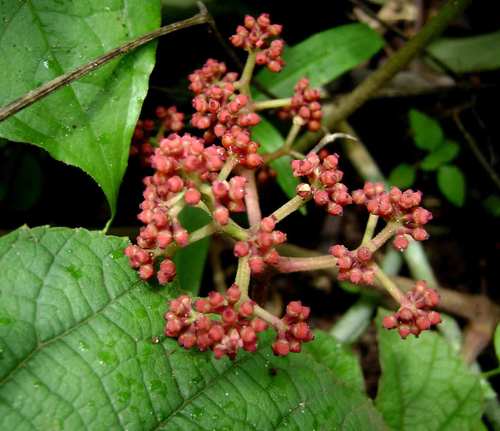
iNaturalist· cc-by-nc
(c) 李博恒, some rights reserved (CC BY-NC)
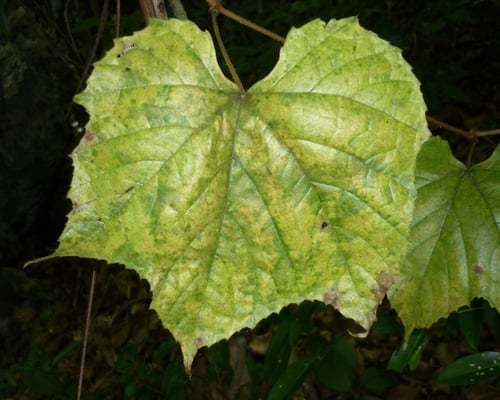
wikimedia· cc-by-sa
Wikimedia Commons - Qwert1234
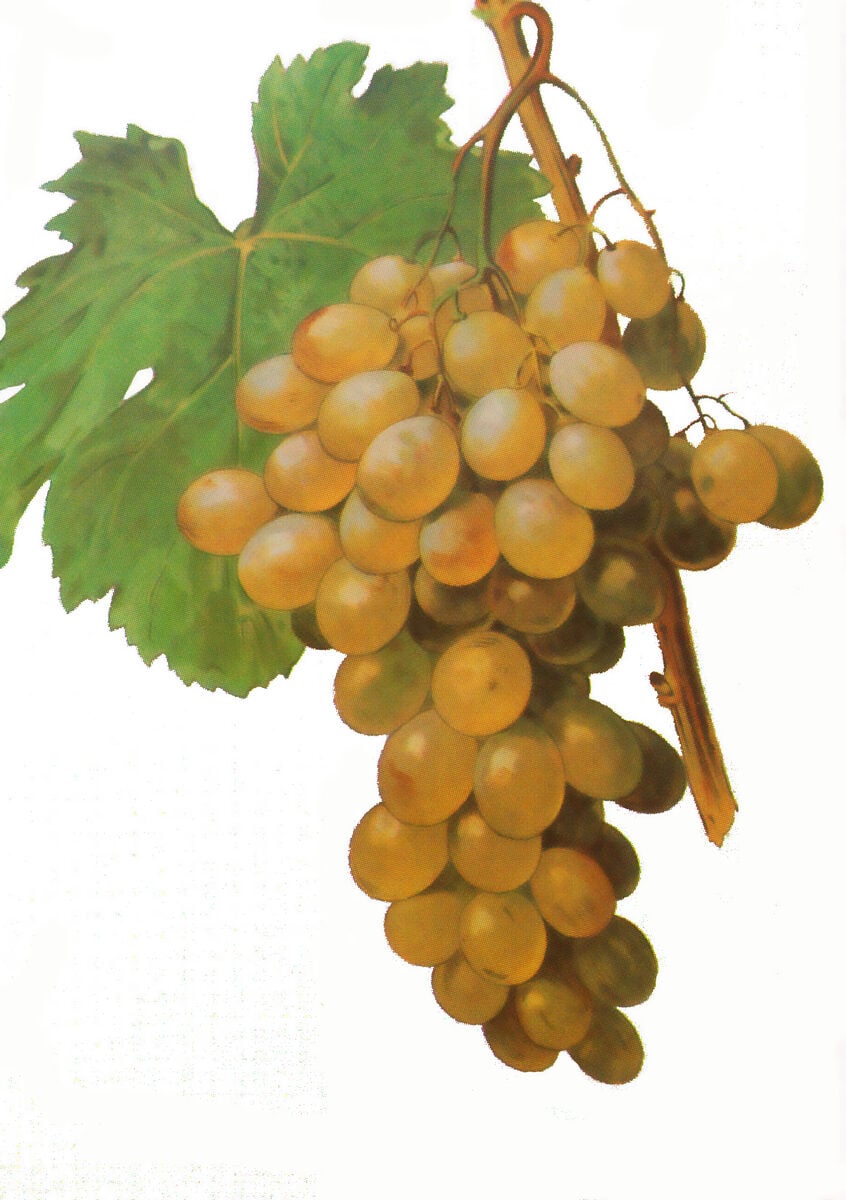
wikimedia· cc-by-sa
Wikimedia Commons - Krzysztof Ziarnek, Kenraiz
Summary
Source: WikipediaVitis heyneana is a species of climbing vine in the grape family endemic to Asia. It can be found in shrubby or forested areas, from almost sea-level, to 3200 meters above. It has globose berries (10–13 mm diam.) that are purple to almost black.
Description
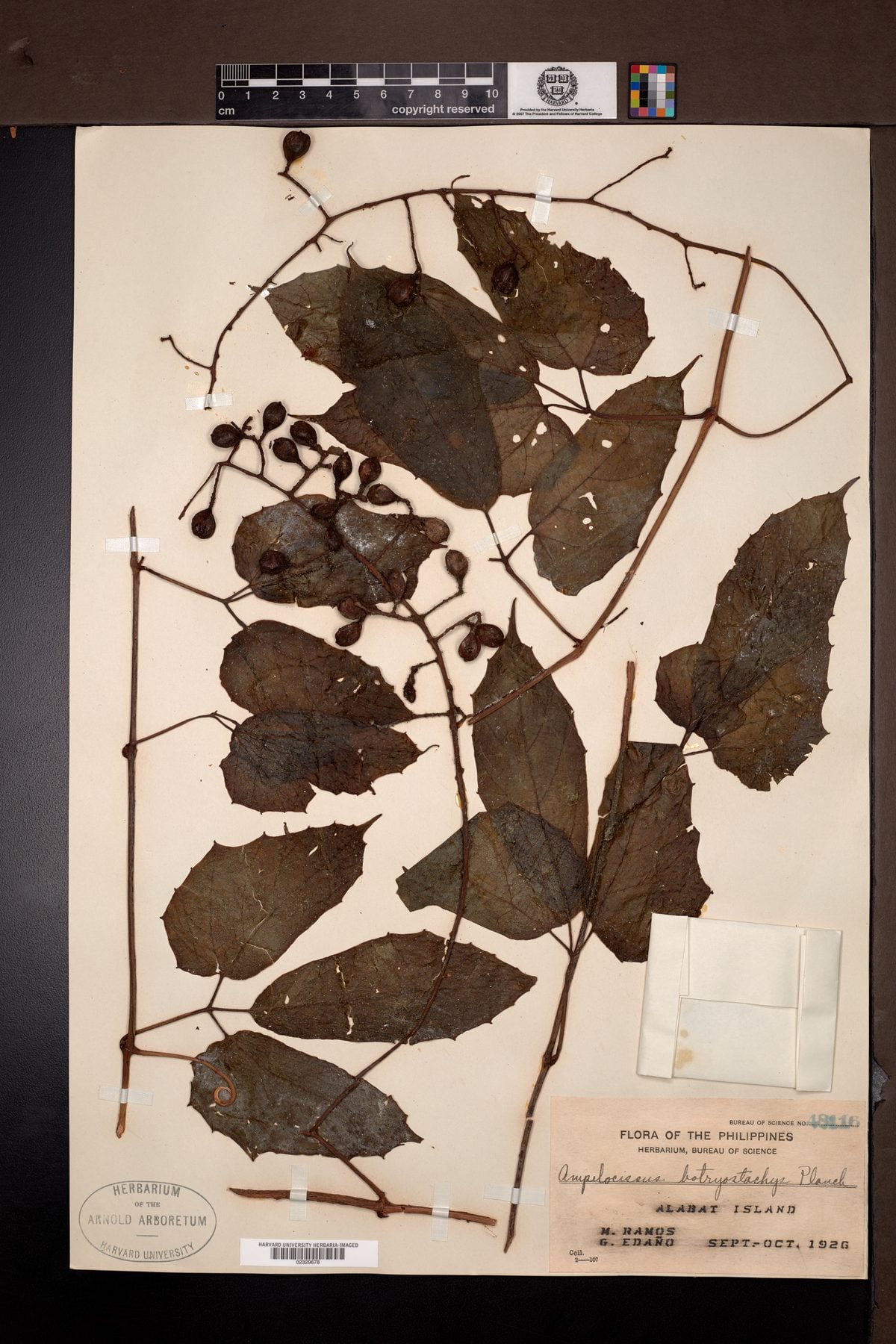
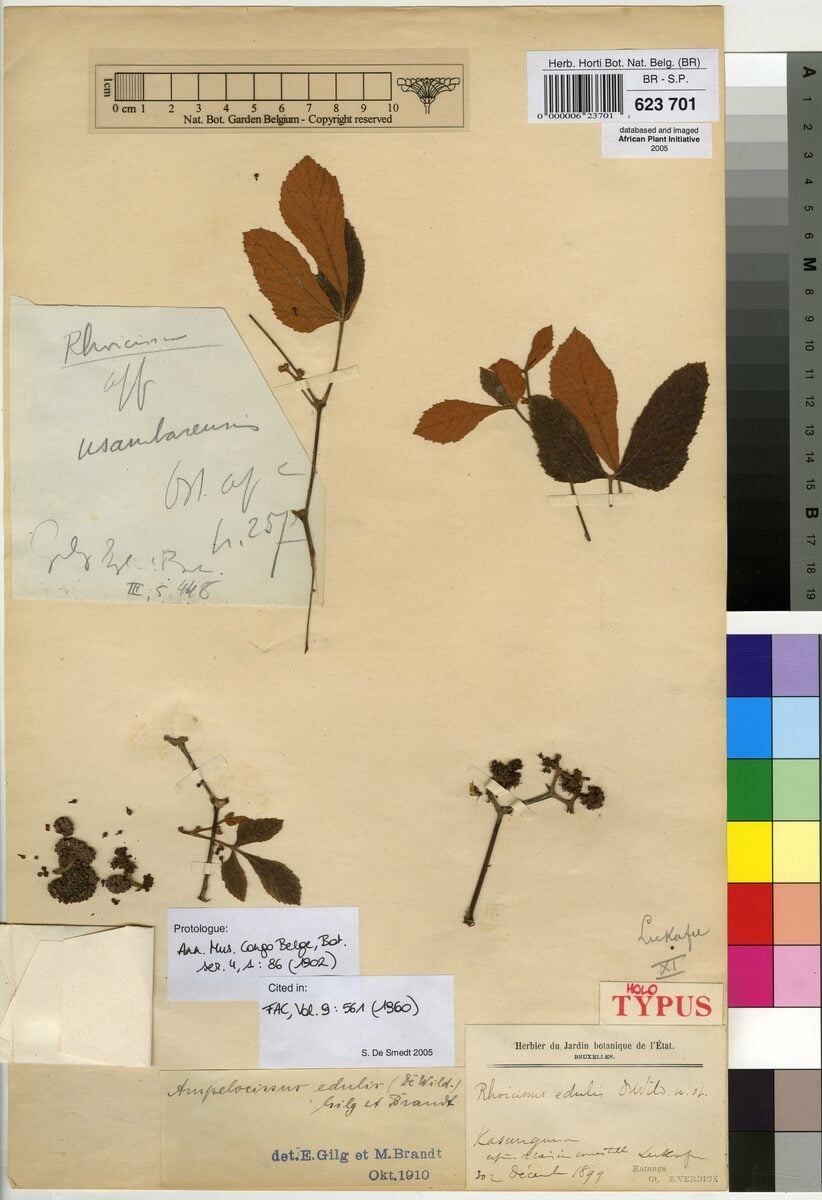
A climbing vine. The small branches have ridges along them. The tendrils are divided. The leaves are simple and broadly oval or heart shaped. The flower panicles are opposite the leaves and are 4-14 cm long. The flowers are yellowish green. The fruit is a purple black berry.
Edible Uses
The fruit are eaten fresh. The roots are cooked by boiling and used in curries. The stem yields a watery sap that is drunk. Young shoots are also edible.
Traditional Uses
The fruit are eaten. The roots are also eaten. They are cooked by boiling and used in curries. The stem yields a watery sap that is drunk.
This uses section is brief — help expand it
Medicinal Uses
The roots are traditionally used in curries and the stem sap is consumed as a drink.
Distribution
It is a subtropical plant. It grows from sea level to 3,200 m above sea level.
Where It Grows
Asia, Bangladesh, Bhutan, China, Himalayas, India, Indochina, Korea, Northeastern India, Pakistan, SE Asia,
Dangerous Lookalikes
This plant can be confused with the following toxic species. Always verify identification carefully before consuming any wild plant.
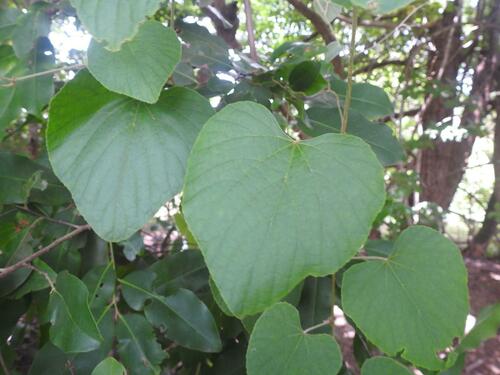
Canadian Moonseed
Menispermum canadense
Cbaile19
Chinese wild grape
Vitis heyneana
(c) 李博恒, some rights reserved (CC BY-NC)
Canadian Moonseed: No tendrils, single crescent/moon-shaped seed, leaf stem attaches to underside of leaf.
Chinese wild grape: Vine with tendrils, round seeds, leaf stem at edge of leaf, bark that peels.
Synonyms
Also Known As
Asoja, Dumba, Gedar kwar, Gode lata, Jnagli loosh, Purain
References (10)
- Encyclopedia of Life
- Khan, A. H., et al, 2023, Traditional foraging for ecological transition? Wild food ethnobotany among three ethnic groups in the highlands of the eastern Hindukush, North Pakistan. Journal of Ethnobiology and Ethnomedicine 19:9
- Misra, R. C., et al, 2013, Genetic resources of wild tuberous food plants traditionally used in Similipal Biosphere Reserve, Odisha, India. Genetic Resources and Crop Evolution. Vol. 60 No. 2. Springer
- Pan, X, J., et al, 2014, In vitro conservation of native Chinese wild grape (Vitis heyneana Roem. & Schult) by slow growth culture. Vitis 53 (4), 207–214 (2014)
- Parmar, C., & Kaushel, M. K., 1982, In Wild Fruits. Kalyani Publishers, New Delhi, India. p 95 (As Vitis lanata)
Show all 10 references Hide references
- Rashid, M. H., et al, 2013, Inventory of Threatened Plants of Bangladesh and their Conservation Management. International Journal of Environment. Vol. 3 No. 1 p 160
- Wang, J., et al, 2020, An ethnobotanical survey of wild edible plants used by the Yi people of Liangshan Prefecture, Sichuan Province, China. Journal of Ethnobiology and Ethnomedicine 16:10 p 9
- Wiersema, J. H. & Leon, B., 2013, World Economic Plants. A Standard Reference CRC Press. 2nd Ed. p 725
- Wild edible plants of Himachal Pradesh
- World Checklist of Useful Plant Species 2020. Royal Botanic Gardens, Kew