Taralea oppositifolia
Aubl.
Opposite taralea, English tonka bean
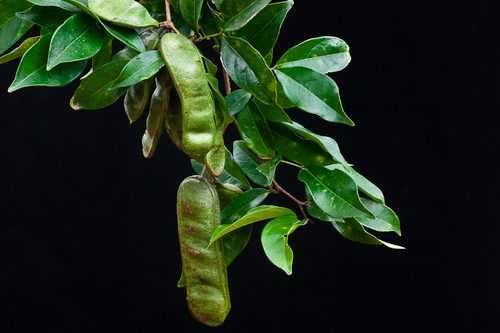
iNaturalist· cc-by-nc
(c) Sébastien SANT, some rights reserved (CC BY-NC), uploaded by Sébastien SANT
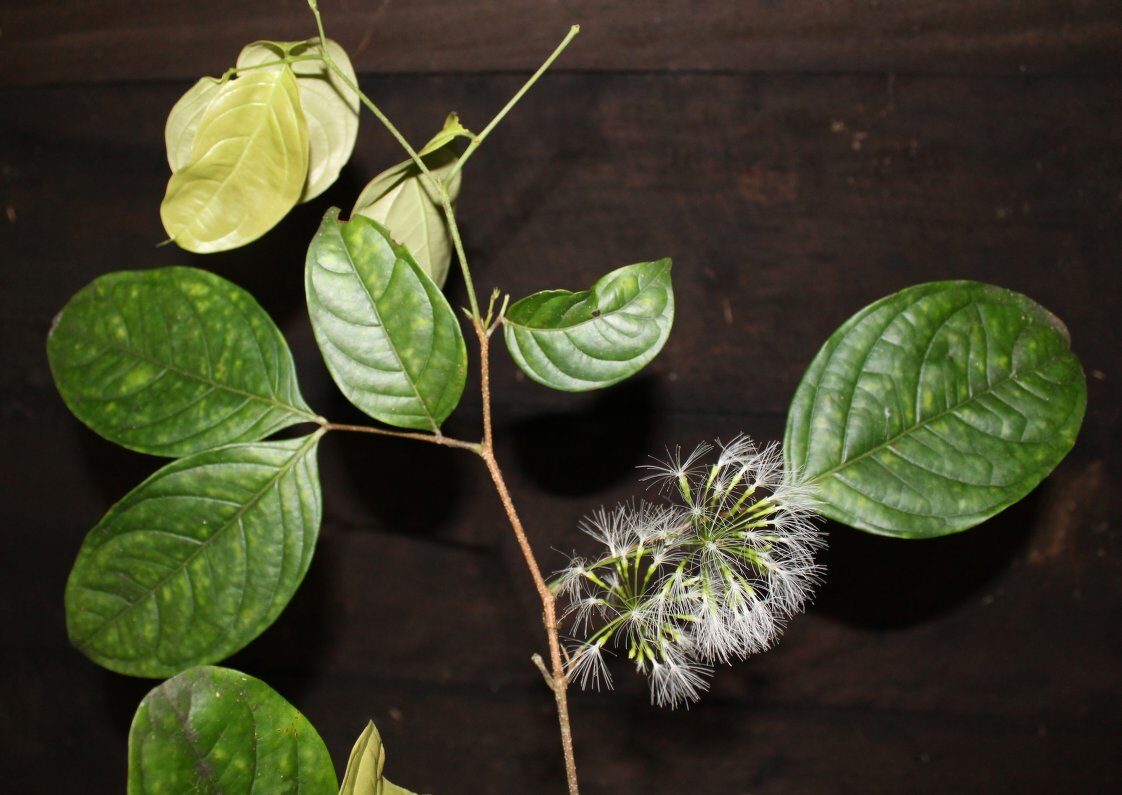
iNaturalist· cc-by-nc
(c) Nigel Pitman, some rights reserved (CC BY-NC)
Description
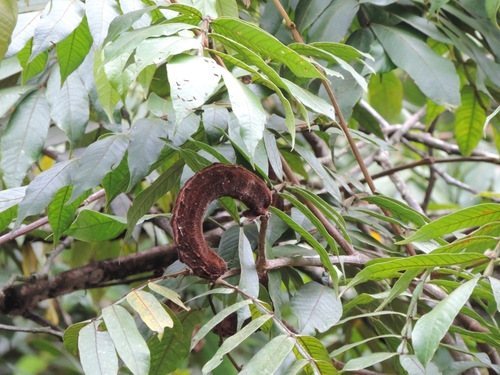
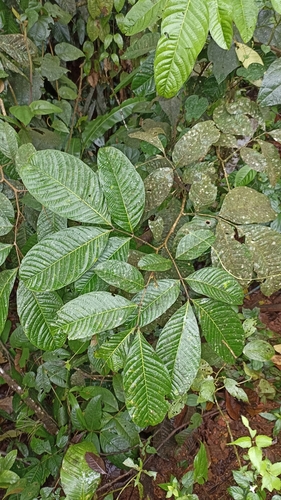
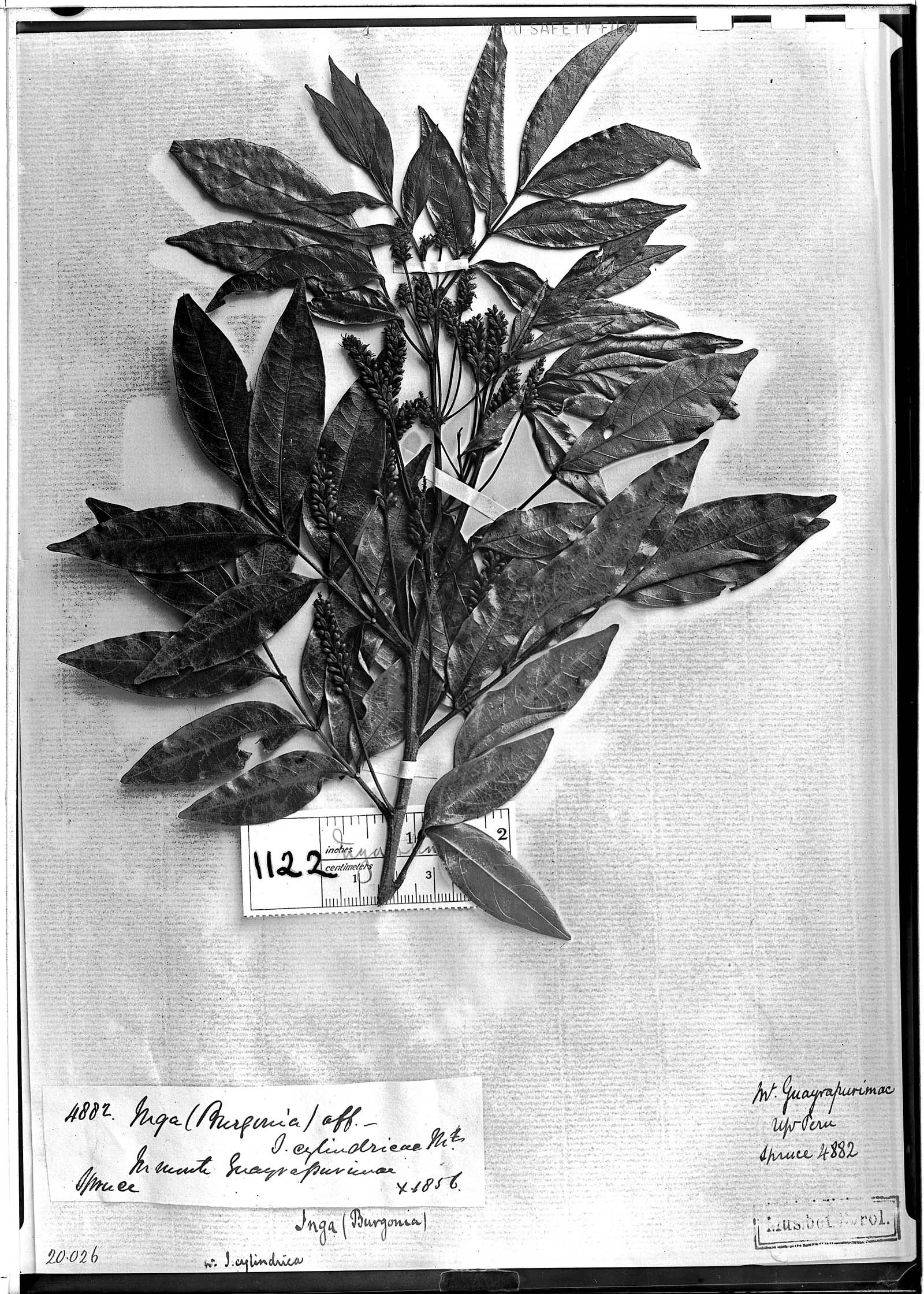
A shrub with a climbing habit or a tree. It can grow 30 m tall. The leaves are opposite. They are divided with leaflets along the edges. The flowers are in groups in the axils of leaves or at the ends of branches. They are purple, streaked with violet.
Edible Uses
The seeds are extracted and used as a flavoring agent.
Medicinal Uses
The plant is used medicinally.
Distribution
It is a tropical plant. It grows in forests near rivers.
Where It Grows
Bolivia, Brazil, Colombia, French Guiana, Guyana, Peru, South America*, Suriname, Venezuela,
Other Uses
The seeds contain an unscented oil that is suitable for industrial purposes. The heartwood is dark to brown with a pale orange sapwood. The wood has a distinctive odour, similar to rubber. It is durable, with an interlocked grain and medium texture. Easy when working with green or humid wood and finishes well. It is used for flooring and in construction.
Notes
It is mentioned as being used for medicine.
Synonyms
Also Known As
Cumaru, Cunduru, Tarala, Zapatero
References (4)
- Encyclopedia of Life.
- Kew Plants of the World Online
- Wiersema, J. H. & Leon, B., 2013, World Economic Plants. A Standard Reference CRC Press. 2nd Ed. p 676
- World Checklist of Useful Plant Species 2020. Royal Botanic Gardens, Kew