Canavalia africana
Dunn
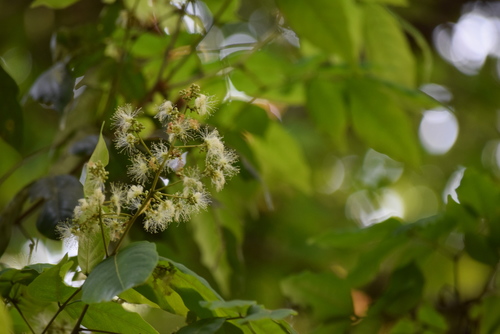
iNaturalist· cc-by-nc
(c) Graeme White, some rights reserved (CC BY-NC), uploaded by Graeme White
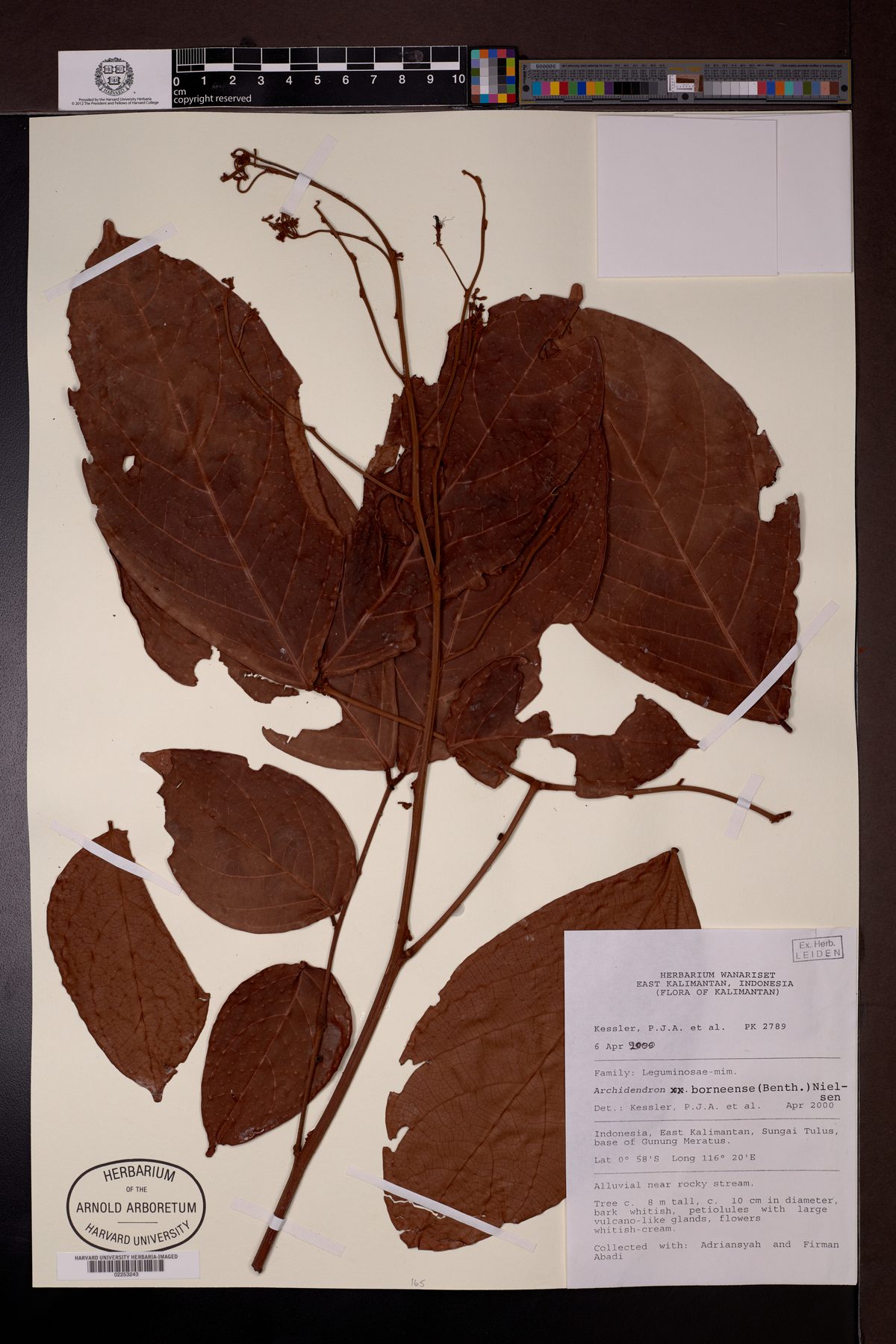
iNaturalist· cc-by-nc
(c) Faranani Mabada, some rights reserved (CC BY-NC)
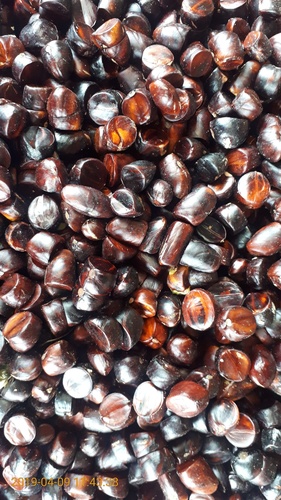
iNaturalist· cc-by-nc
(c) Duncan McKenzie, some rights reserved (CC BY-NC)
Description
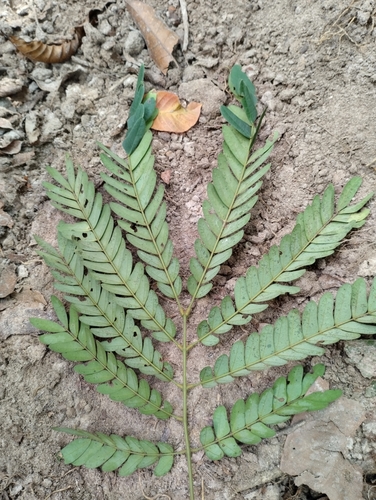
A trailing herb. It grows 3-15 m long. The stems are flattened and have rusty hairs. The leaflets are 6-17 cm long by 4-12 cm wide. They are oval and taper towards the tip. There are soft hairs on both surfaces. The flower clusters are 18-50 cm long. The fruit are pods 10-17 cm long by about 3 cm wide. The pods are densely hairy at first. The seeds are brown. They are 16-20 mm long by 7-11 mm wide.
Edible Uses
Young fruit pods are cooked and eaten as a vegetable. The brown seeds are used as a cooked food, famine food, and as a coffee substitute.
Traditional Uses
The young fruit pods are cooked and eaten as a vegetable. The seeds are used as a famine food and as a coffee substitute.
This uses section is brief — help expand it
Medicinal Uses
No medicinal uses recorded in the data.
Distribution
It is a tropical plant. It grows in bare ground and near river banks, open savannah, and the edges of forests. It grows between 280-1,800 m above sea level. It can grow in arid places.
Where It Grows
Africa, Angola, Asia, Benin, Burkina Faso, Cameroon, Central Africa, Central African Republic, CAR, Chad, Congo, Côte d'Ivoire, East Africa, Eswatini, Ethiopia, Ghana, Guinea, Guinée, Guinea-Bissau, Hawaii, India, Indochina, Ivory Coast, Kenya, Liberia, Malawi, Mali, Middle East, Mozambique, Namibia, Niger, Nigeria, Rwanda, Sahel, SE Asia, Senegal, Sierra Leone, Socotra, Somalia, South Africa, Southern Africa, Sri Lanka, Sudan, Swaziland, Tanzania, Thailand, Togo, Uganda, Vietnam, West Africa, Yemen, Zambia, Zimbabwe,
Notes
There are about 50 Canavalia species.
Synonyms
Also Known As
Cikuvangu, Fanta, Karuthamma, Tagale, Tubalo-sosso
References (5)
- Burkill, H. M., 1985, The useful plants of west tropical Africa, Vol. 3. Kew.
- Flora Zambesiaca. http://apps.kew.org/efloras
- Fowler, D. G., 2007, Zambian Plants: Their Vernacular Names and Uses. Kew. p 36
- Grubben, G. J. H. and Denton, O. A. (eds), 2004, Plant Resources of Tropical Africa 2. Vegetables. PROTA, Wageningen, Netherlands. p 153
- Royal Botanic Gardens, Kew (1999). Survey of Economic Plants for Arid and Semi-Arid Lands (SEPASAL) database. Published on the Internet; http://www.rbgkew.org.uk/ceb/sepasal/internet [Accessed 28th April 2011]