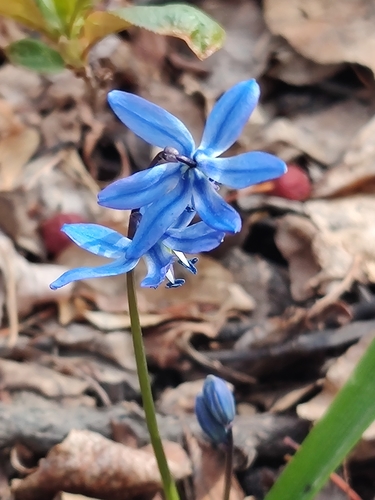
Bellevalia paradoxa
(Fisch. & C. A. Mey.) Boiss.
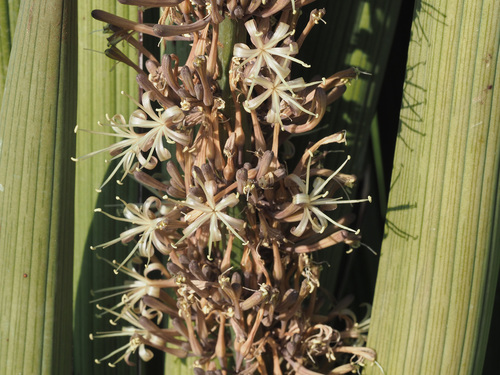
iNaturalist· cc-by-nc
(c) alexander1951, some rights reserved (CC BY-NC)
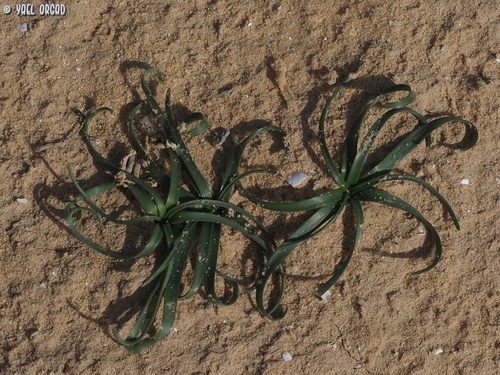
iNaturalist· cc-by-nc
(c) David Thomas, some rights reserved (CC BY-NC), uploaded by David Thomas
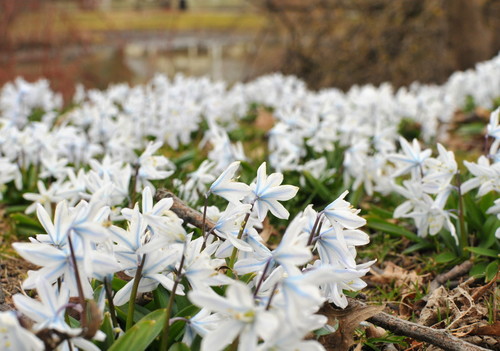
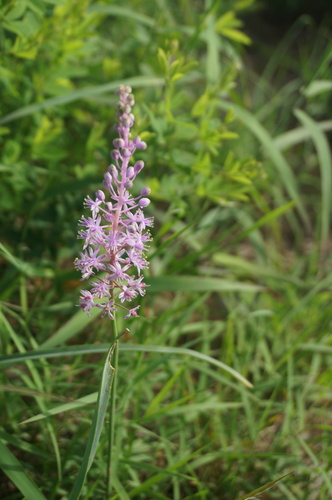
iNaturalist· cc-by-nc
(c) alexander1951, some rights reserved (CC BY-NC)
Summary
Source: WikipediaBellevalia paradoxa is a bulb forming plant in the genus Bellevalia of the family Asparagaceae, formerly classified in the genus Muscari, under which name it is commonly sold as Muscari paradoxum.
Description
A bulbous plant in the Asparagaceae family found in temperate regions.
This description is brief — help expand it
Edible Uses
The leaves are cooked and traditionally prepared with wheat and milk.
Traditional Uses
The leaves are eaten cooked. They are cooked with wheat and milk.
This uses section is brief — help expand it
Distribution
It is a temperate plant.
Where It Grows
Europe, Turkey, Türkiye,
Notes
Also put in the family Hyacinthaceae.
Synonyms
Also Known As
Aspenceri
References (3)
- Cakir, E. A., 2017, Traditional knowledge of wild edible plants of Iğdır Province (East Anatolia, Turkey). Acta Soc Bot Pol. 2017;86(4):3568.
- Ertug, F, Yenen Bitkiler. Resimli Türkiye Florası -I- Flora of Turkey - Ethnobotany supplement
- Kayiran, S. D., & Ozkan, E. E., 2017, The ethnobotanical uses of Hyacinthaceae species growing in Turkey and a review of pharmacological activities. Indian Journal of Traditional Knowledge V ol. 16(2), April 2017, pp. 243-250