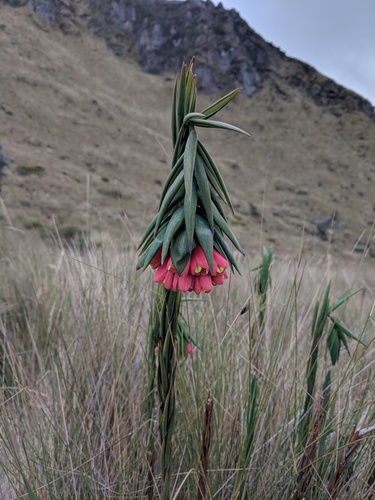
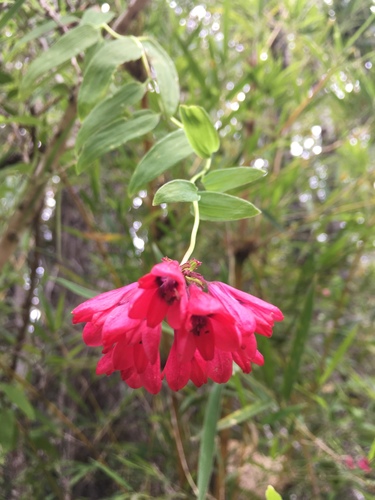
Luzuriaga radicans
Ruiz & Pav.
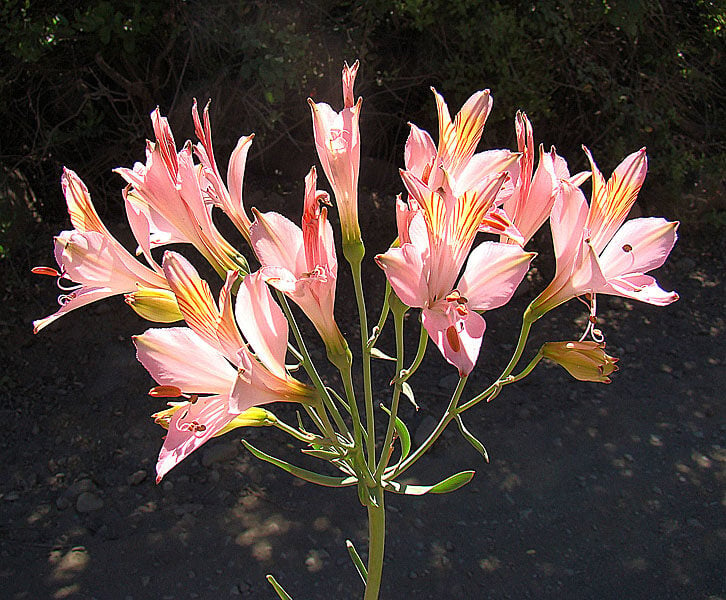
iNaturalist· cc-by-nc
(c) Giacomo Bruni, some rights reserved (CC BY-NC), uploaded by Giacomo Bruni
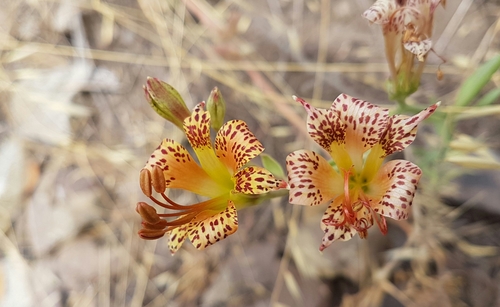
iNaturalist· cc-by-nc
(c) Carlos Schmidtutz, some rights reserved (CC BY-NC), uploaded by Carlos Schmidtutz
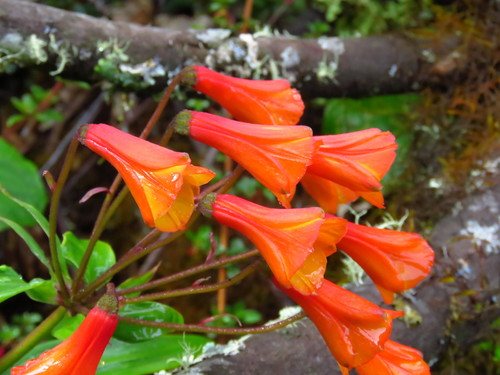
iNaturalist· cc-by-nc-sa
(c) Ariel Cabrera Foix, some rights reserved (CC BY-NC-SA), uploaded by Ariel Cabrera Foix
Summary
Source: WikipediaLuzuriaga radicans (common name quilineja) is a species of flowering plant in the genus Luzuriaga of the family Alstroemeriaceae (Inca-lilies), part of the monocot order Liliales. It is native to Chile and Argentina.
Description
A climber. The leaves are 4 cm long. The flowers are white. The fruit are green and turn red when ripe.
This description is brief — help expand it
Edible Uses
The plant is valued as an ornamental, while the stems are used in the manufacture of household utensils and handicrafts, including basketry and brooms. Historically it was also used for fences and ropes, but now it is mainly used for artisanal crafts. The fruit is edible and eaten raw, and was a traditional food, but has fallen out of use.
Traditional Uses
The fruit are eaten cooked.
This uses section is brief — help expand it
Distribution
It is a temperate plant. In Chile it grows from sea level to 2,000 m above sea level. It grows in humid areas with constant rainfall. It can grow in water. It suits hardiness zone 9.
Where It Grows
Argentina, Chile*, Peru, South America,
Cultivation
Plants can be grown from seeds.
Notes
Also put in the family Philesiaceae and Luzuriagaceae.
Synonyms
Also Known As
Azagar, Azahar, Coral, Palma, Quila del monte, Quilineja
References (6)
- Barreau, A., et al, 2016, How Can We Teach Our Children if We Cannot Access the Forest? Generational Change in Mapuche Knowledge of Wild Edible Plants in Andean Temperate Ecosystems of Chile. Journal of Ethnobiology 36(2): 412–432
- Chamorro, M. F., & Ladio, A., 2020, Native and exotic plants with edible fleshy fruits utilized in Patagonia and their role as sources of local functional foods. BMC Complementary Medicine and Therapies. 20:155
- Cordero, S. E., Abello, L. A., & Galvez, F. L., 2017, Plantas silvestres comestibles y medicinales de Chile y otras partes del mundo. CORMA p 270
- Daly, A. B., 20014, Narrating changing foodways: wild edible plant knowledge and traditional food systems in Mapuche lands of the Andean Temperate Forests, Chile. Masters Thesis Vancouver. p 45
- Leon-Lobos, P., et al, 2022, Patterns of Traditional and Modern Uses of Wild Edible Native Plants of Chile: Challenges and Future Perspectives. Plants (Basel) v 11 (6) Table S1
Show all 6 references Hide references
- Rapoport, E. H. & Ladio, A. H., 1999, Plantas comestibles. Bosque Volume 20 No. 2. ISSN 0314-8799