Chrysobalanus icaco subsp. atacorensis
(A. Chev.) F. White
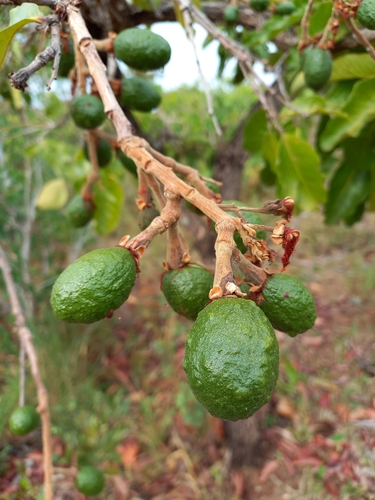
iNaturalist· cc-by-nc
(c) eileenr, some rights reserved (CC BY-NC)
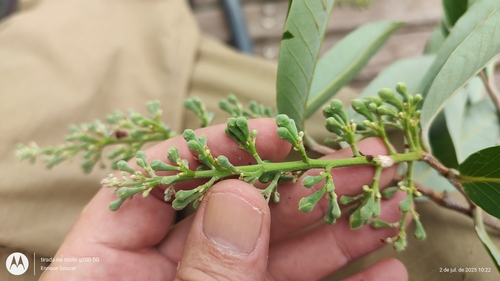
iNaturalist· cc-by-nc
(c) Souza Silva, some rights reserved (CC BY-NC)
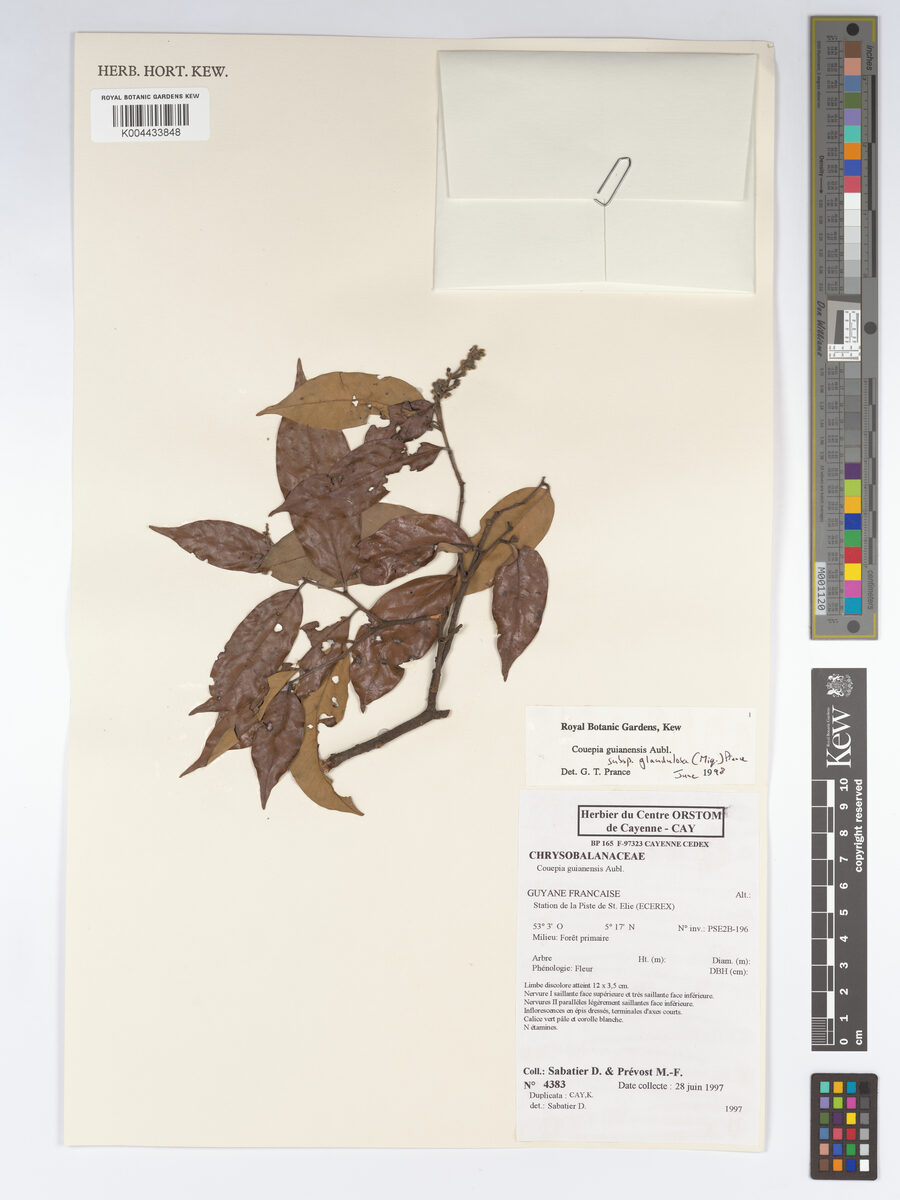
iNaturalist· cc-by-nc
(c) Souza Silva, some rights reserved (CC BY-NC)
Summary
Source: WikipediaChrysobalanus icaco, the cocoplum, paradise plum, abajeru or icaco, also called fat pork in Trinidad and Tobago, is a low shrub or bushy tree found near sea beaches and inland throughout tropical Africa, tropical Americas and the Caribbean, and in southern Florida and the Bahamas. An evergreen, it is also found as an exotic species on other tropical islands, where it has become a problematic invasive. Although taxonomists disagree on whether Chrysobalanus icaco has multiple subspecies or varieties, it is recognized as having two ecotypes, described as an inland, much less salt-tolerant, and more upright C. icaco var. pellocarpus and a coastal C. icaco var. icaco. Both the ripe fruit of C. icaco, and the seed inside the ridged shell it contains, are considered edible.
Description
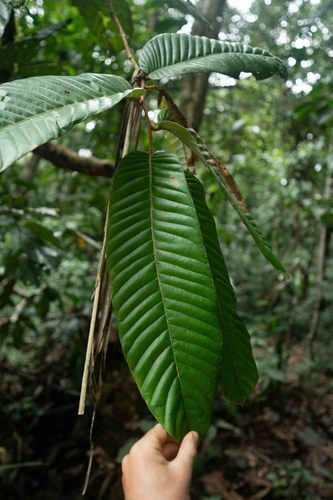
A shrub or small evergreen tree. The leaves of the subspecies are longer than the species. The fruit are purple and 2.5 cm long.
This description is brief — help expand it
Edible Uses
The fruit are edible.
Distribution
It is a tropical plant. It grows near water.
Where It Grows
Africa, Liberia, West Africa,
Synonyms
References (1)
- liberianfaunaflora.org Plant Atlas