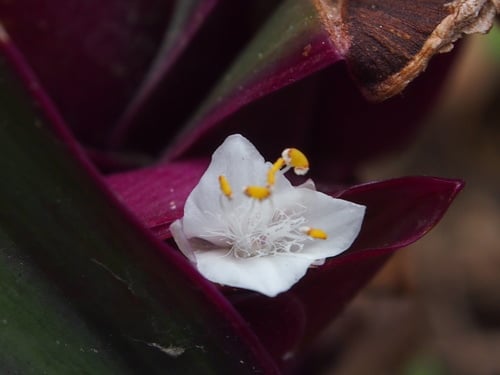
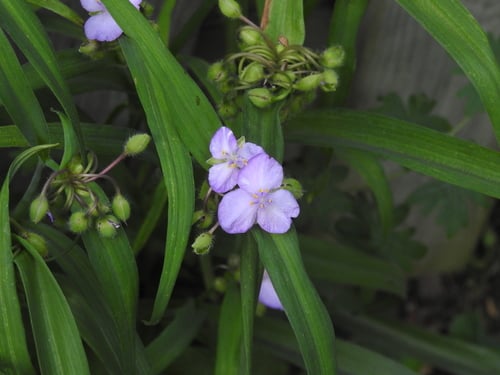
Commelina obliqua
Buch.-Ham.
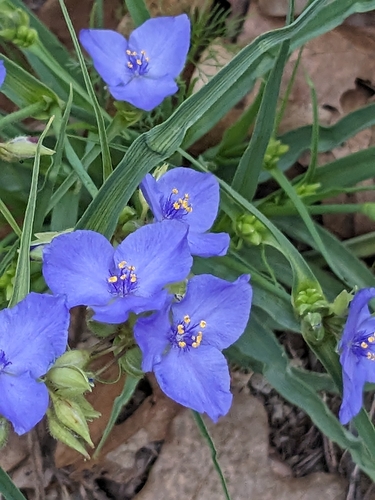
iNaturalist· cc-by-nc
(c) Oscar Enciso, some rights reserved (CC BY-NC), uploaded by Oscar Enciso
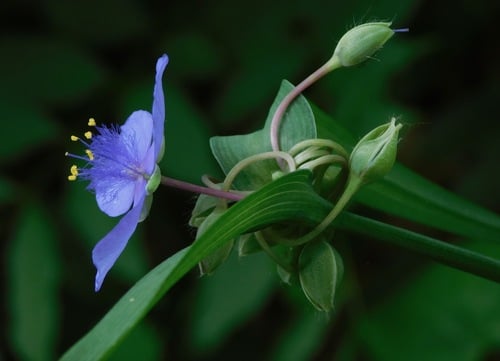
iNaturalist· cc-by-nc
(c) Omar Miranda B., some rights reserved (CC BY-NC)
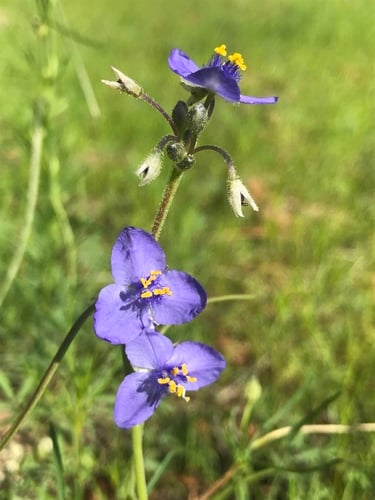
iNaturalist· cc-by-nc
(c) Ana Lorena Zamora López, some rights reserved (CC BY-NC)
Description
A stout tropical herb of the Commelinaceae family with a spreading growth habit.
This description is brief — help expand it
Edible Uses
The young leaves are eaten as a vegetable with rice. The seeds are also eaten.
Traditional Uses
CAUTION: The leaves can cause diarrhoea. The young leaves are eaten with rice. They are used as a vegetable.
This uses section is brief — help expand it
Known Hazards
The leaves can cause diarrhoea.
Distribution
A tropical plant.
Where It Grows
Asia, China, India, Malaysia, Pakistan, SE Asia,
Notes
There are about 230 Commelina species. Commelina obliqua Buch.-Ham. is a synonym of Commelina paludosa Blume. Commelina obliqua Vahl is a valid name.
Synonyms
Also Known As
Gawati kena, Jatakanchura, Kana, Kanjuna, Kanjura, Kena, Keni, Narelu
References (9)
- Ambasta, S.P. (Ed.), 2000, The Useful Plants of India. CSIR India. p 138
- Arora, R. K., 2014, Diversity in Underutilized Plant Species - An Asia-Pacific Perspective. Bioversity International. p 39
- BHARGAVA,
- Burkill, I.H., 1966, A Dictionary of the Economic Products of the Malay Peninsula. Ministry of Agriculture and Cooperatives, Kuala Lumpur, Malaysia. Vol 1 (A-H) p 655
- GAMMIE,
Show all 9 references Hide references
- Martin, F.W. & Ruberte, R.M., 1979, Edible Leaves of the Tropics. Antillian College Press, Mayaguez, Puerto Rico. p183
- Prodr. fl. nepal. 45. 1825 (non M. Vahl 1806) - an illegitimate later homonym (ICBN Art. 53) that is unavailable for use
- Singh, H.B., Arora R.K.,1978, Wild edible Plants of India. Indian Council of Agricultural Research, New Delhi. p 25, 84
- Vartak, V.D. and Kulkarni, D.K., 1987, Monsoon wild leafy vegetables from hilly regions of Pune and neighbouring districts, Maharashtra state. J. Econ. Tax. Bot. Vol. 11 No. 2 pp 331-335