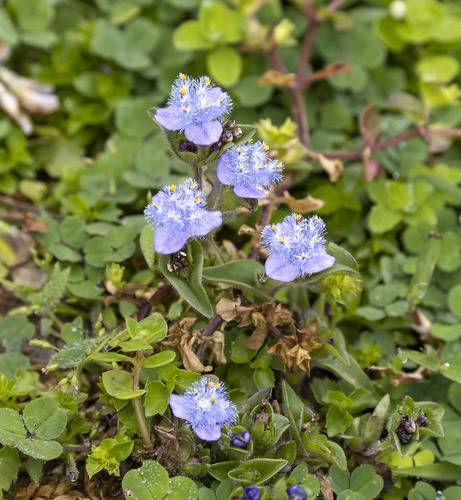
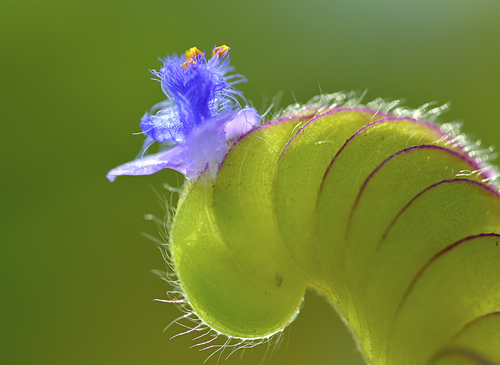
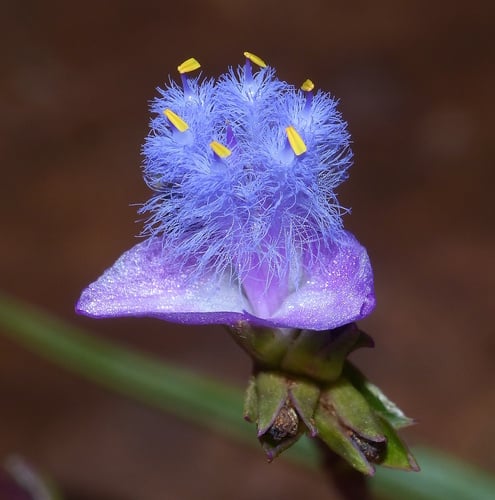
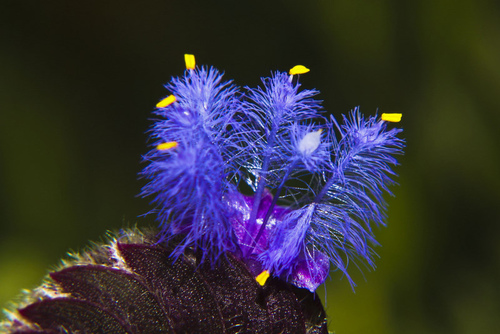
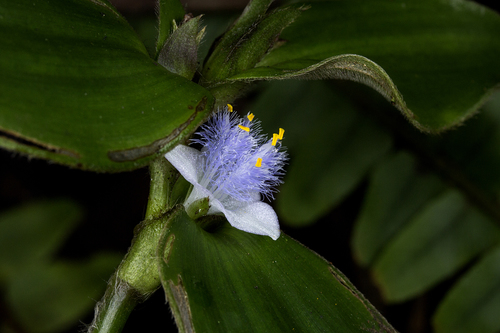
Commelina latifolia
Hochst. ex A Rich.
wikimedia· cc0
Wikimedia Commons - Auguste Faguet
gbif· cc-by-sa
Susan Brown
gbif· cc-by-sa
Susan Brown
Description
A tropical herb in the spiderwort family with edible leaves, tubers, and roots used as a potherb.
This description is brief — help expand it
Edible Uses
Leaves - cooked. A mucilaginous texture. The tender leaves and stems are chopped and cooked alone or with other vegetables such as Bidens pilosa or Cleome hirta. Then it is served with a staple, dish such as ugali or rice.
Traditional Uses
It is used as a potherb.
This uses section is brief — help expand it
Distribution
A tropical plant.
Where It Grows
Africa, East Africa, Ethiopia, Kenya, Tanzania, Uganda,
Notes
There are about 230 Commelina species.
Also Known As
Gisha, Nkongo, Wogankur
References (9)
- Asfaw, Z., Conservation and use of traditional vegetables in Ethiopia. FAO
- Asfaw, Z. and Tadesse, M., 2001, Prospects for Sustainable Use and Development of Wild Food Plants in Ethiopia. Economic Botany, Vol. 55, No. 1, pp. 47-62
- FAO, 1988, Traditional Food Plants, FAO Food and Nutrition Paper 42. FAO Rome p 214
- Grubben, G. J. H. and Denton, O. A. (eds), 2004, Plant Resources of Tropical Africa 2. Vegetables. PROTA, Wageningen, Netherlands. p 213
- Hedrick, U.P., 1919, (Ed.), Sturtevant's edible plants of the world. p 213
Show all 9 references Hide references
- Jardin, C., 1970, List of Foods Used In Africa, FAO Nutrition Information Document Series No 2.p 69
- Kidane, B., et al, 2014, Wild and semi-wild leafy vegetables used by the Maale and Ari ethnic communities in southern Ethiopia. Genetic Resour Crop Evol. Springer. p 8
- Martin, F.W. & Ruberte, R.M., 1979, Edible Leaves of the Tropics. Antillian College Press, Mayaguez, Puerto Rico. p 183
- Ruffo, C. K., Birnie, A. & Tengnas, B., 2002, Edible Wild Plants of Tanzania. RELMA p 221