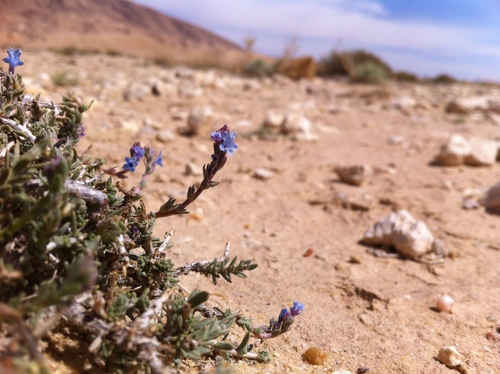
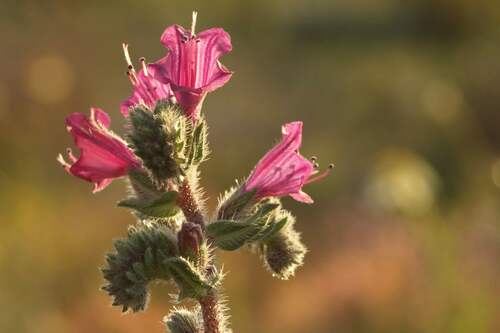
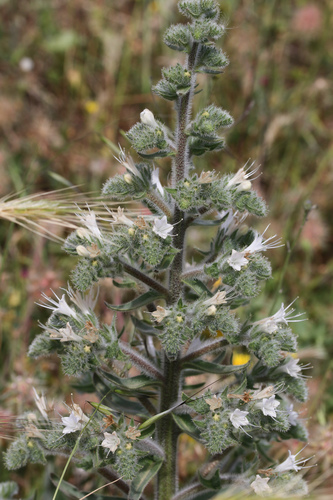
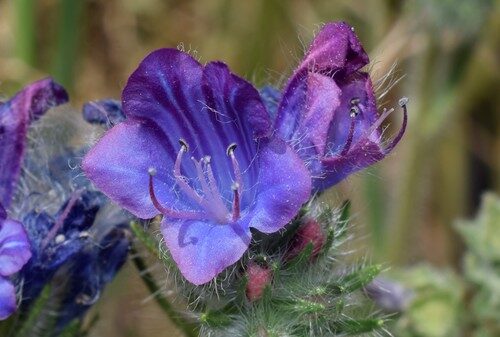
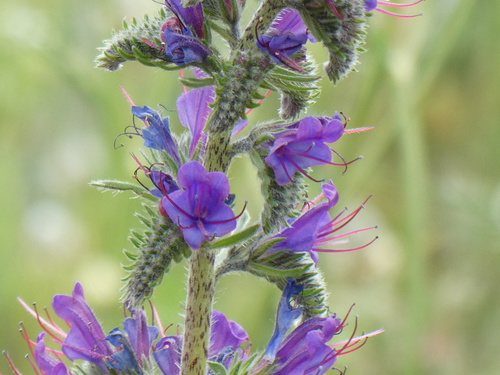
Amsinckia menziesii
(Lehm.) A. Nelson & J. F. Macbr.
Menzies fiddleneck
wikimedia· cc-by-sa
Copyright by Curtis Clark, licensed as noted (via Wikimedia Commons)
wikimedia· pd
Unknown authorUnknown author (via Wikimedia Commons)
wikimedia· cc-by
Stiller Beobachter from Ansbach, Germany (via Wikimedia Commons)
Summary
Source: WikipediaAnnual reaching 0.8 m tall by 0.4 m wide, growing at a fast rate. Not frost tender and hardy to UK zone 7. Flowers pollinated by bees and insects; attracts wildlife. Prefers light sandy and medium loamy well-drained soils and tolerates poor soil fertility. Cannot grow in shade but tolerates drought. Suitable for mildly acidic to basic soils.
Description
Annual reaching 0.8 m tall by 0.4 m wide, growing at a fast rate. Not frost tender and hardy to UK zone 7. Flowers pollinated by bees and insects; attracts wildlife. Prefers light sandy and medium loamy well-drained soils and tolerates poor soil fertility. Cannot grow in shade but tolerates drought. Suitable for mildly acidic to basic soils.
Edible Uses
All edibility reports require caution. Historically, young leaves were boiled as greens by some Native American groups, and seeds have been eaten. However, all fiddlenecks contain pyrrolizidine alkaloids, cumulative liver toxins not removed by boiling, drying, or baking. Though boiled leaves taste mildly like spinach and seeds have been consumed, both parts pose significant health risks.
Traditional Uses
The seeds are ground and toasted.
This uses section is brief — help expand it
Medicinal Uses
No reliable medicinal uses documented, though pyrrolizidine alkaloid content suggests potential for toxic effects if used medicinally.
Distribution
It is a temperate plant.
Where It Grows
America, North America, USA,
Propagation
Seed germinates quickly after winter rains, grows vigorously, and flowers profusely in spring.
Other Uses
Provides early-season nectar and pollen for bees and pollinators. Dense seasonal growth stabilizes disturbed soils. Used occasionally in wildflower seed mixes, though toxicity to animals limits ornamental appeal.
Synonyms
References (1)
- Anderson, M. K., 2012, Edible Seeds and Grains of California Tribes and the Klamath Tribe of Oregon in the Phoebe Apperson Hearst Museum of Anthropology Collections, University of California, Berkeley. USDA p 10