Armillaria cepistipes
Velen.
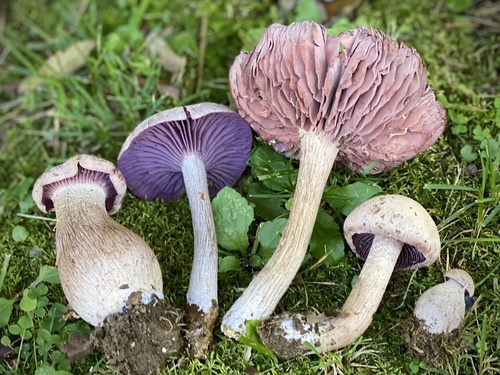
iNaturalist· cc-by-nc
(c) Иван Матершев, some rights reserved (CC BY-NC), uploaded by Иван Матершев
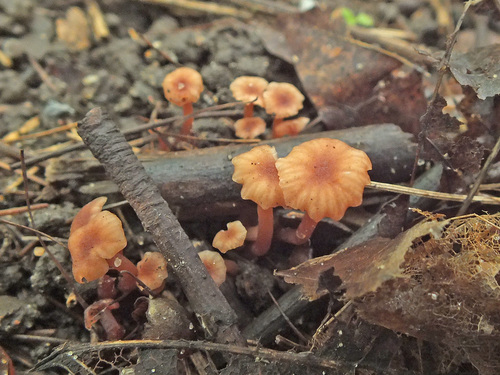
iNaturalist· cc-by-nc
(c) Иван Матершев, some rights reserved (CC BY-NC), uploaded by Иван Матершев
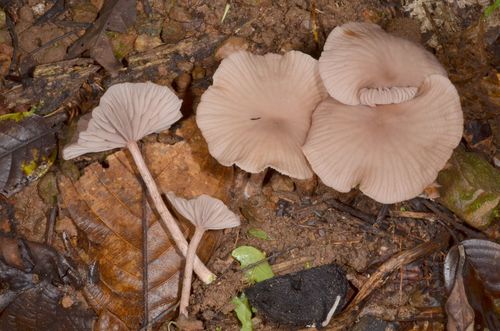
iNaturalist· cc-by-nc
(c) Алексей Лапин, some rights reserved (CC BY-NC), uploaded by Алексей Лапин
Summary
Source: WikipediaArmillaria cepistipes is a common wood-rotting basidiomycete fungus found in most forests in Central Europe. Armillaria cepistipes is a species of mushroom in the family Physalacriaceae. This is a weakly plant pathogenic species that is typically found growing at the base of deciduous trees that have previously been stressed by another pathogen. The mycelium of the fungus is bioluminescent.
Description
A tropical mushroom in the family Tricholomataceae.
This description is brief — help expand it
Edible Uses
The mushroom is edible.
Distribution
It is a tropical plant.
Where It Grows
Africa, East Africa, Rwanda,
Dangerous Lookalikes
This plant can be confused with the following toxic species. Always verify identification carefully before consuming any wild plant.
Deadly Galerina (Funeral Bell)
Galerina marginata
Alan Rockefeller
Armillaria cepistipes
Armillaria cepistipes
(c) Иван Матершев, some rights reserved (CC BY-NC), uploaded by Иван Матершев
Deadly Galerina (Funeral Bell): Rusty-brown spore print, smooth brown cap, thin fragile ring, grows in smaller clusters.
Armillaria cepistipes: White spore print, brown-black scales on cap, prominent white ring on stem, grows in large clusters.
References (2)
- Degreef, J., et al, 2016, Wild edible mushrooms, a valuable resource for food security and rural development in Burundi and Rwanda. Biotechnol. Agron. Soc. Environ. 2016 20(4), 441-452
- efta-online.org, Edible Fungi of Tropical Africa, Jardin botanique Meise